Popular Features
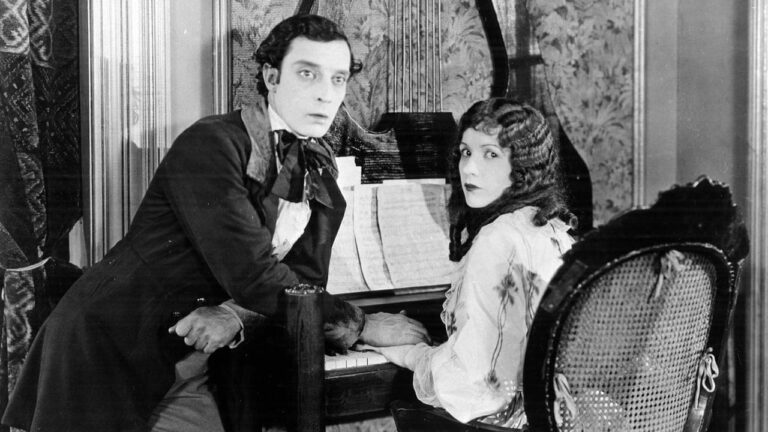
100 Years of… Our Hospitality
1923 is the year when Buster Keaton’s run of classic feature-length comedies gets out of the blocks with Our Hospitality, which signals its intention to be different even in its opening credits, which linger on the screen far longer than those of most films of the era. Here, they say, is something to be savoured. The story is William Shakespeare via rural 19th-century America via the mind of Buster Keaton, a re-working of Romeo and Juliet crossed with the Hatfield and McCoys feud, with Buster playing Willie McKay, a guy who falls in love with a young woman he meets on the train journey back to his Appalachian homeland where he’s inherited a … Read more
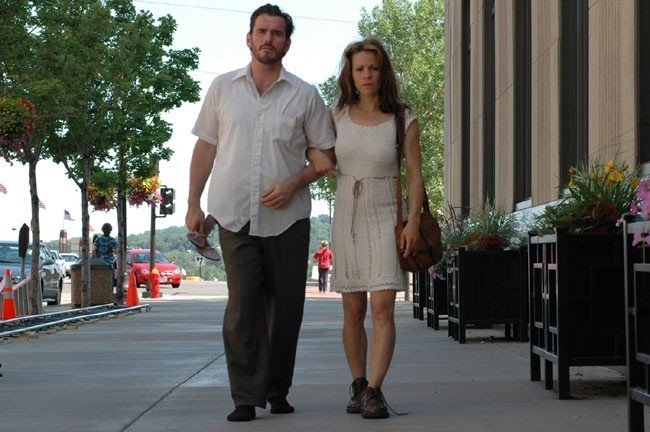
Movies About Charles Bukowski
The news that James Franco is directing a film about gravel-voiced, pock-faced author Charles Bukowski, the go-to man for closet writers, bedroom tough guys and incipient alcoholics, reminds us that there have been several shots on goal before. Franco has a double obstacle – films about writing are inherently uncinematic, and films that rely on an authorial voice that’s ironic but utterly deadpan are also in choppy water. So Franco is concentrating on how Bukowski’s early years – abused at home, disfigured by acne – affected his later life. Perhaps Franco is buoyed up by the success of his portrayal of another writer, Allen Ginsberg. Or perhaps not. This is not Franco’s first … Read more
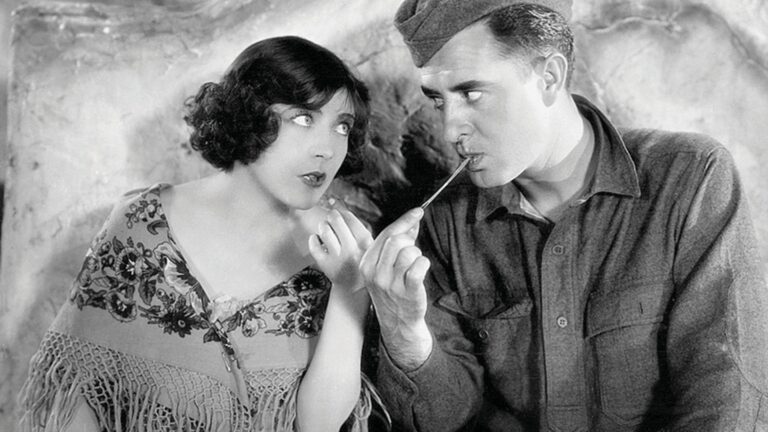
100 Years of… The Big Parade
King Vidor’s first name really was King. It suited him. The master of the big Hollywood movie, here he is in 1925 with The Big Parade, laying down the template for all the war movies of the future. The Big Parade is the highest-grossing silent film of all time so it would be nice if we still had the original version. But it’s been lost. Instead there’s the 1930 re-issue – same movie but with sound effects and a score added. It’s the basis of the restoration done in the 1980s, which replaced the original score with one by Carl Davis. How good the film looks. It’s fabulously sharp, in fact, apart from the … Read more
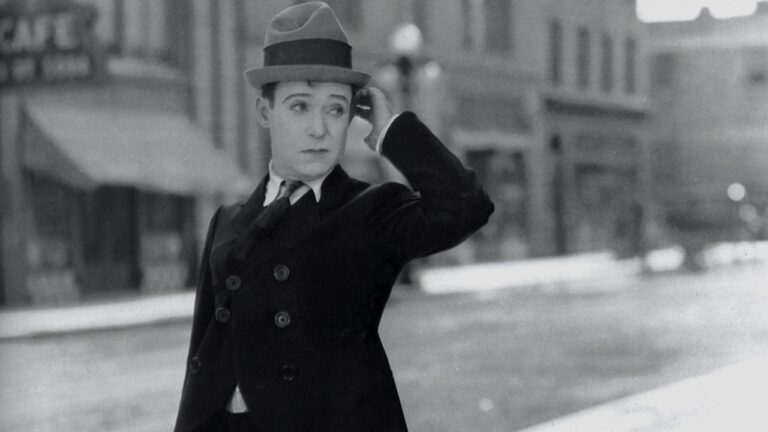
100 Years of… The Strong Man
Two people do special things in 1926’s The Strong Man. The first is director Frank Capra, inventing film language on the hoof in his feature debut and showing us why he was such a force on the 20th-century film scene. The other is Harry Langdon, demonstrating an ability to animate dead space with his fluid features and expressive body. The story is really a case of the tail wagging the dog and it takes a long time to get to the film’s point – elaborately conceived and expertly executed stunts. First there’s a preamble in the Great War, where Harry’s hapless soldier Paul Bergot is taking potshots at Germans with his catapult in … Read more
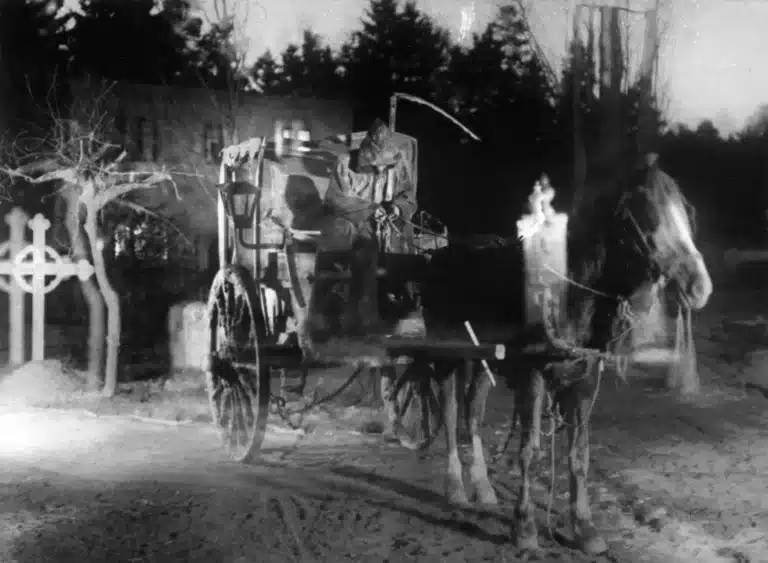
100 Years of… The Phantom Carriage
The Phantom Carriage is something of a phantom movie. Loved by Ingmar Bergman, who rewatched it every year and claimed it inspired him to get into film-making, it was also adored by Charlie Chaplin, who called it the best film ever made. Stanley Kubrick was also a fan, and lifted one of his most iconic sequences – Jack Nicholson axing through a door in The Shining – directly from it. But how many people have actually seen this classic? Bergman, Chaplin, Kubrick, this is clearly a film with “bottom” but it also has plenty going on up top. In short, it’s a Dickensian tale of a man who has lived a life as an … Read more
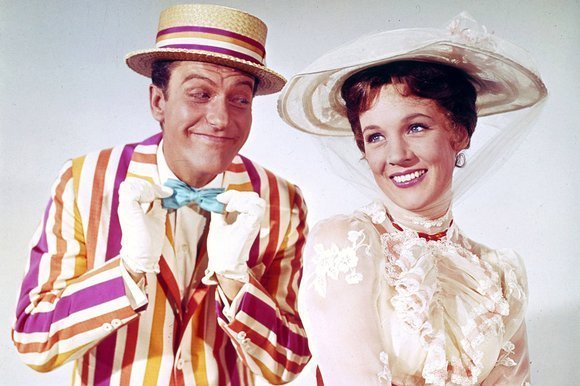
Dick Van Dyke on DVD
What a great thing Dick Van Dyke has been. First there’s that improbable name. Even more improbable, it’s his real name. Then there’s his legs, long and lean and made for comedy dancing and comedy pratfalls. And his smile – as wide as the screen and surely the biggest on TV, if we’re not counting that of Mary Tyler Moore, who played his screen wife. We tend to think of him as a TV performer – no less than three TV series have been named after him, including the seminal Dick Van Dyke Show of the 1960s, the direct descendants of which (via Mary Tyler Moore and James Burrows) are Friends and The Big … Read more
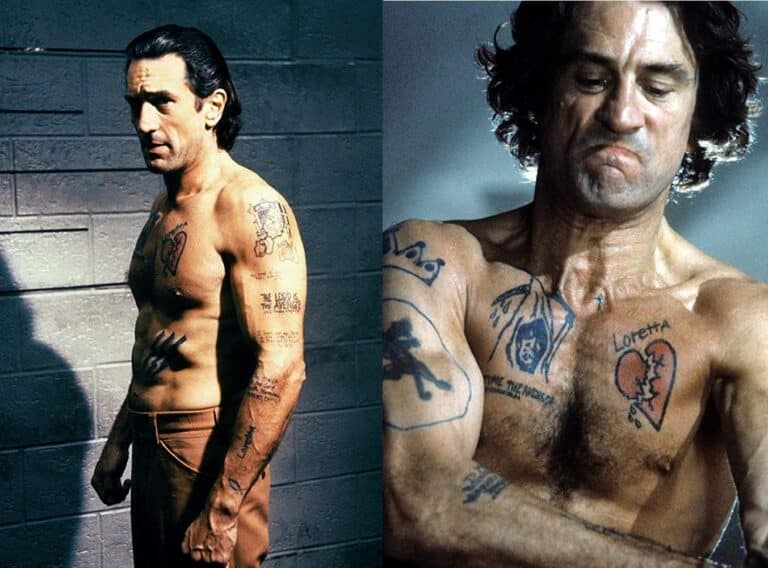
Cape Fear
It’s compare and contrast time. Max Cady, a psychopath recently out of stir after a long stretch for rape, sets out to terrorise lawyer Sam Bowden who he believes withheld information about his case at the trial which resulted in him going down. The original, directed by cult British director J. Lee Thompson in 1962, starred Robert Mitchum as the avenging psycho (a role he’d perfected in 1955’s Night Of The Hunter) and Gregory Peck as the apparently decent lawyer. Both turn up again in cameos in Martin Scorsese’s remake, in which things aren’t quite so clear cut. This time around Bowden (now played by Nick Nolte) is a lousy lawyer, and a … Read more
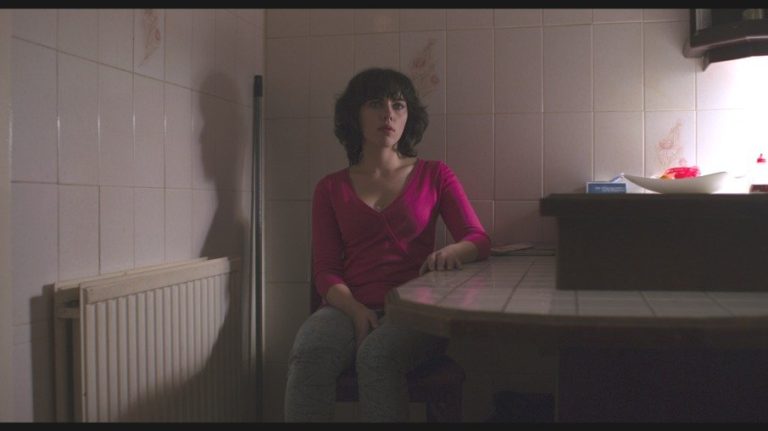
The Best Films of 2014
Of the 350+ films I saw this year, these are the best ones. Some of them were released last year and I’ve been a bit slow getting round to them. Some of them were released even longer ago. The criteria are – I watched them in 2014 and I liked them. That’s it. The Best Computer Chess (2013, dir: Andrew Bujalski) Andrew Bujalski, inventor of mumblecore, proved there’s life in the old beast yet with this retro-verité drama about geeks meeting in the 1980s to pit their programs against a chess-playing computer. Shooting on original video cameras in fuzzy-edged boxellated black and white, Bujalski catches the moment when the let-it-all-hang-out era died and our … Read more
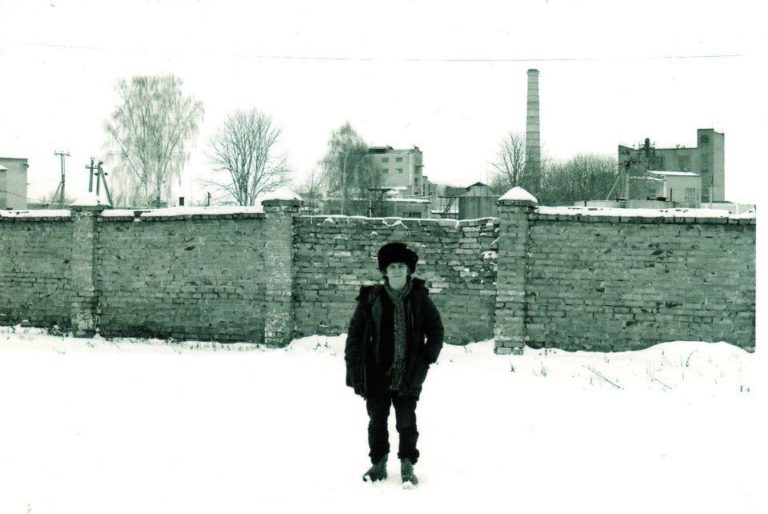
I Became a Ukrainian Vodka Baron
Meet Dan Edelstyn. He’s made a film, he’s resurrected a vodka brand and he’s reviving the fortunes of a faraway Ukrainian village Halfway through making a documentary about his grandmother, director Dan Edelstyn realised he was going to have to start all over again. The film he’d been shooting since 2005 – working title From Bolshevism to Belfast – had been a great story. It told of his Jewish grandmother’s sudden exit from Ukraine in the aftermath of the Russian revolution. How privileged, pretty Maroussia Zorokovich had wound up in Belfast, where her husband, Dan’s grandfather, had promptly gone native and become more staunchly Orange than the Paisley family. It was the story of … Read more
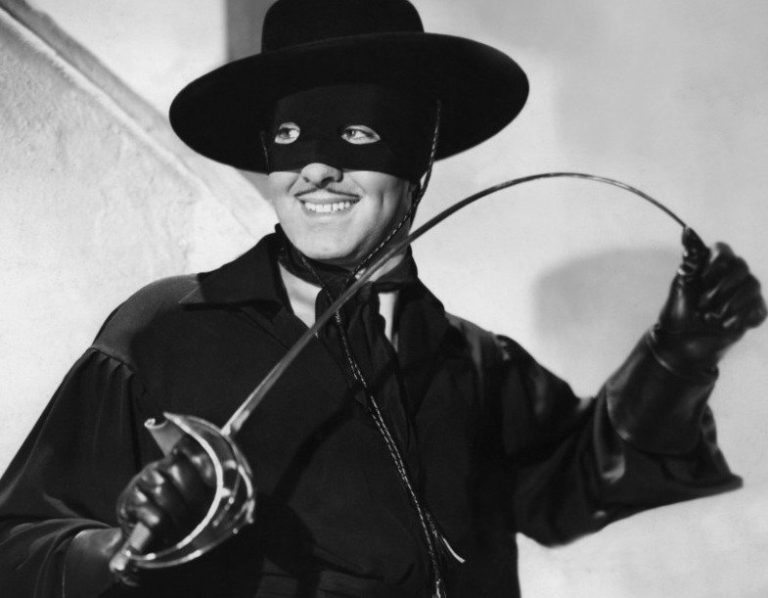
Zorro: Who Is That Masked Man?
The Mexicans like their heroes the way they like their tacos – with cheese. Enter Zorro. Cue mask, cape and ludicrous pencil moustache Next time you’re in London, try the Robin Hood Zorro restaurant in Hammersmith. This oddly conceived English/Mexican hybrid serves an equally odd drink called the Robin Hood Meets Zorro cocktail. A mouthful to order and a hell of a thing to drink, it contains tequila, gin and beer. The menu doesn’t say it’s served with a bucket, but it probably should be. What is it about Zorro that seems to bring out the naffness in … well, everything? It was not always thus. Dial back to the mists of the … Read more

100 Years of… Dr. Mabuse the Gambler
An important film rather than a good one, at four and a half hours Dr. Mabuse the Gambler (Dr. Mabuse, der Spieler) is simply too unwieldy to qualify as a quality movie and yet it regularly ranks up there with the best of them, bolstered by the reputation of its director, Fritz Lang, who, whisper it, could turn out some real rubbish when his mind wasn’t on his work. Dr. Mabuse the Gambler is not rubbish though. And in spite of the reservations about its length, this silent behemoth from 1922 is a remarkable document in many ways, though a heavy one, in which Lang lays down the template for all the bad … Read more
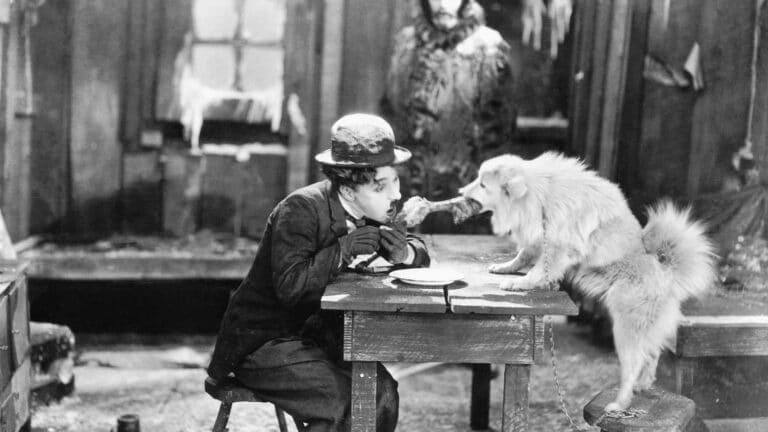
100 Years of… The Gold Rush
Charlie Chaplin’s most famous film, the one he wanted to be remembered by, is The Gold Rush. It was not only sensational then but it’s amazing how well it holds up now. Fashionable though it is to be slightly down on Chaplin these days, The Gold Rush is the one doubters should see – inventive, dramatic and funny, it’s well made enough to convince all but the most prejudiced. I’d urge the Criterion version on you if you’re going to shell out for a physical copy. It contains the 1925 silent original and also the 1942 re-release, which Chaplin re-edited, rescored and overdubbed with a narration (an approximation of newsreel bombast done by … Read more