Popular Features
Zorro: Who Is That Masked Man?
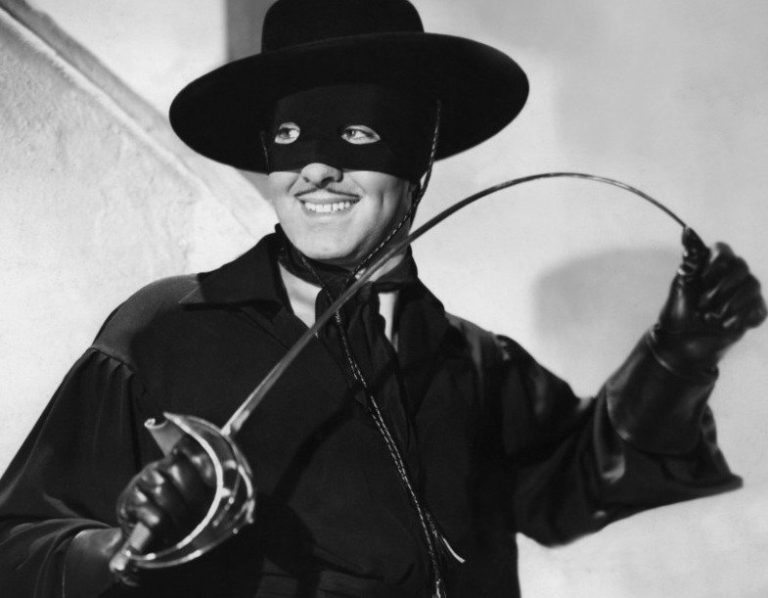
The Mexicans like their heroes the way they like their tacos – with cheese. Enter Zorro. Cue mask, cape and ludicrous pencil moustache Next time you’re in London, try the Robin Hood Zorro restaurant in Hammersmith. This oddly conceived English/Mexican hybrid serves an equally odd drink called the Robin Hood Meets Zorro cocktail. A mouthful to order and a hell of a thing to drink, it contains tequila, gin and beer. The menu doesn’t say it’s served with a bucket, but it probably should be. What is it about Zorro that seems to bring out the naffness in … well, everything? It was not always thus. Dial back to the mists of the … Read more

100 Years of… The Eagle
Rudolph Valentino made The Eagle in 1925 and while it wasn’t a smash along the lines of Blood and Sand or The Sheik, it did better than his previous four films – it was a comeback of sorts, and came not long before Valentino was whisked to the place from which no comeback is possible, after contracting peritonitis and dying. Death is on the cards in The Eagle too, an adaptation of a Pushkin story about a young hussar who is spotted by the libidinous Czarina Catherine II and offered a place in her bed. But young, handsome and proud Vladimir Doubrovsky (the name is spelt a number of ways on screen) doesn’t … Read more
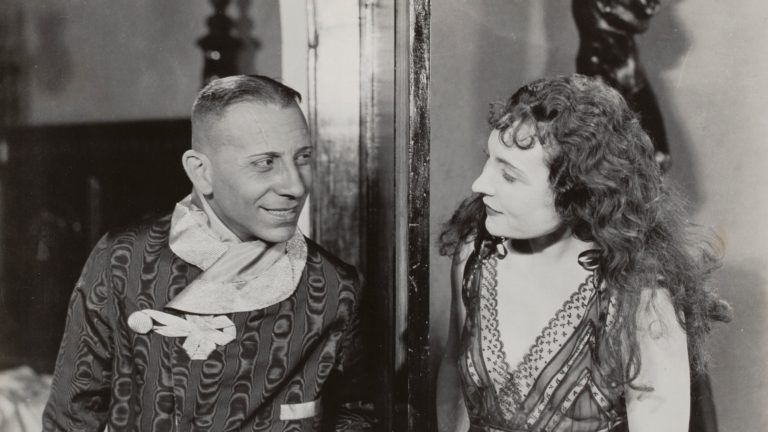
100 Years of… Foolish Wives
When Foolish Wives debuted in 1922, its writer/director/star Erich von Stroheim was at the peak of his popularity, having exploited anti-German sentiment during the First World War by playing a despicable Hun doing despicable things in a series of films. “The man you love to hate,” was his moniker, one gained in 1918 in the film The Heart of Humanity, where he plays a ruthless German officer who throws a baby out of the window so he can better get on with raping a Red Cross nurse. That’ll do it. Foolish Wives works the same seam, though, the war over and the Russian revolution grabbing more headlines, von Stroheim is now playing a … Read more

The Best Films of 2014
Of the 350+ films I saw this year, these are the best ones. Some of them were released last year and I’ve been a bit slow getting round to them. Some of them were released even longer ago. The criteria are – I watched them in 2014 and I liked them. That’s it. The Best Computer Chess (2013, dir: Andrew Bujalski) Andrew Bujalski, inventor of mumblecore, proved there’s life in the old beast yet with this retro-verité drama about geeks meeting in the 1980s to pit their programs against a chess-playing computer. Shooting on original video cameras in fuzzy-edged boxellated black and white, Bujalski catches the moment when the let-it-all-hang-out era died and our … Read more
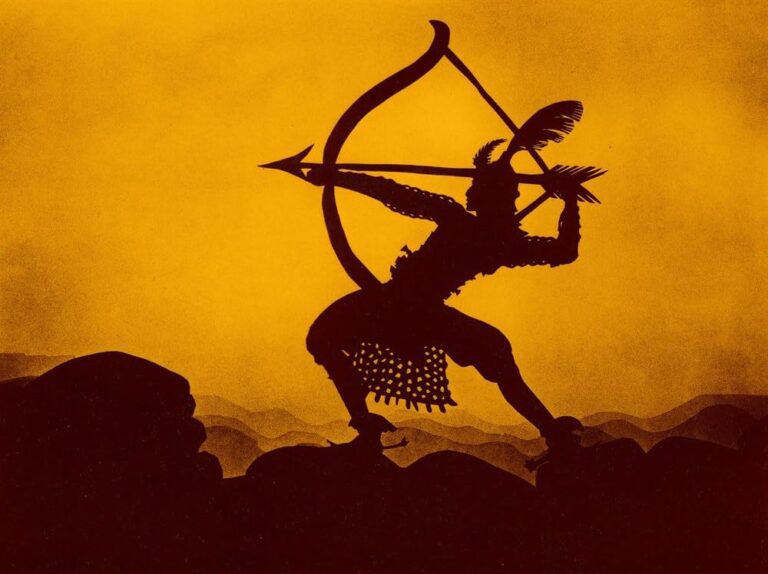
100 Years of… The Adventures of Prince Achmed
You don’t, in the normal run of things, expect a rape scene in old-time animation, but that’s what you get in 1926’s The Adventures of Prince Achmed, the breakthrough for Lotte Reiniger, a pioneer in her field, artistically and technically. It tells the story of the an eastern prince who steps in to help his sister after an ugly African sorcerer makes a play for her. For his trouble the brother is whisked away on a magic flying horse, to a faraway realm where Princess Pari Banu, ruler of the spirit world of Wak Wak, beguiles him with her naked beauty. And he responds with the aforesaid rape. Unless I am very much … Read more
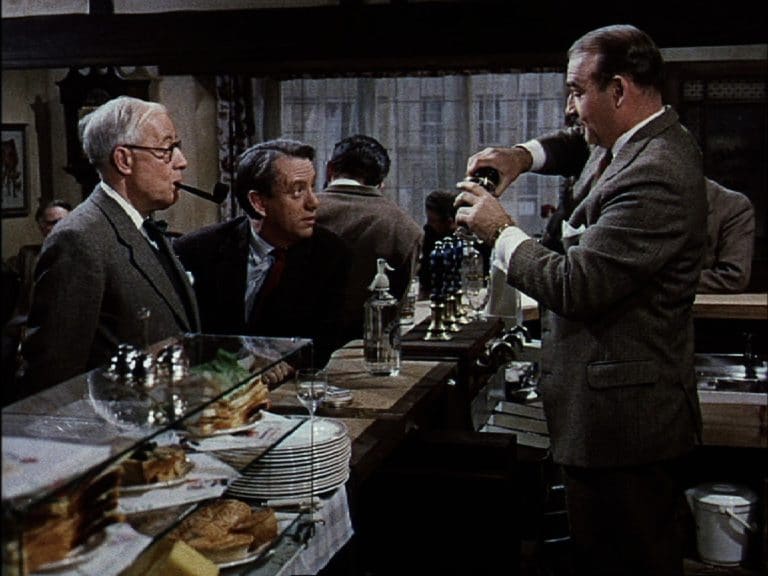
Roll Out the Barrel: Pubs Never Looked So Good
A collection of documentary shorts on the British pub paints a warm, comforting picture of one of the country’s most cherished institutions. But is it a true one? “There is nothing which has yet been contrived by man,” intones a voice theatrically, “by which so much happiness is produced as by a good tavern or inn.” The quote is from Samuel Johnson and it kicks off The Story of English Inns, the first of 20 collected documentary shorts from the archive released in June 2012 by the British Film Institute. Alas, anyone who’s ever been to a British pub will tell you that this adage conveys only half the truth. For every charming hostelry … Read more

James Bond: The Omega Man
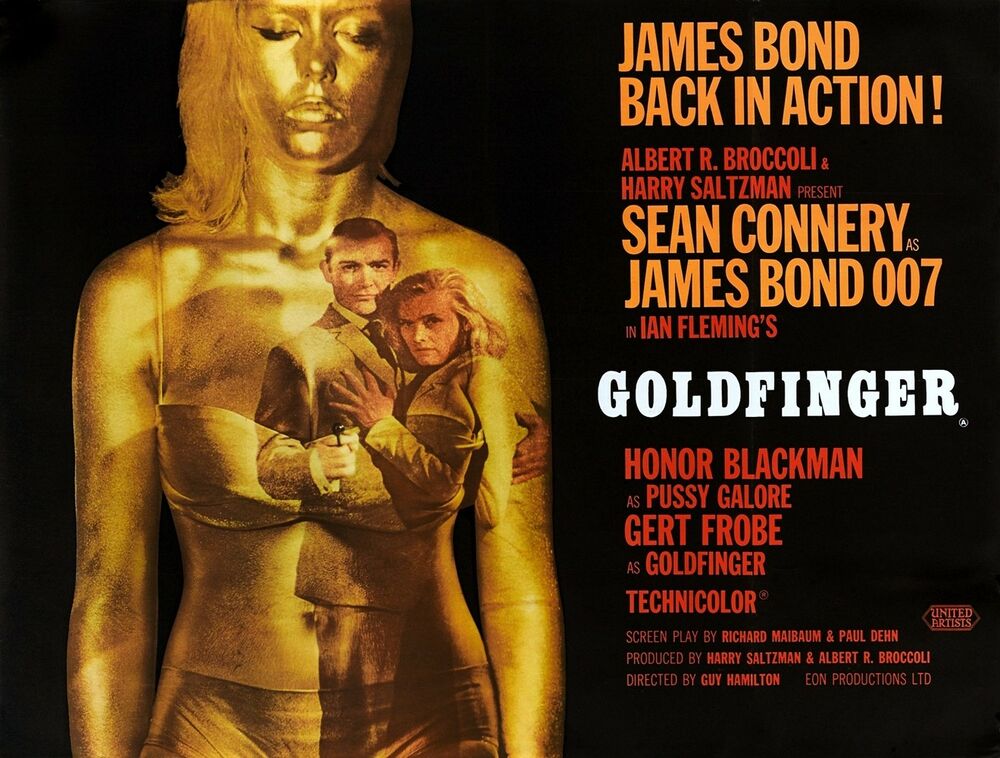
007 first strapped on an Omega watch in 1997. Since then the once-ailing franchise has gone from strength to strength. Coincidence? Every human being on the planet, even those in Bhutan, or out in the rainforest distilling poison from tree frogs, knows who James Bond is. So ubiquitous is he that even people who haven’t yet been born have a favourite James Bond actor, a favourite Bond girl, a favourite Bond movie, Bond song, car or baddie. In fact even as I write these words images of Louis Armstrong, Daniel Craig, an Aston Martin Vanquish, Jaws and Denise Richards (wrong, I know) are flashing across my cerebral cortex. But, now that Adele has belted … Read more
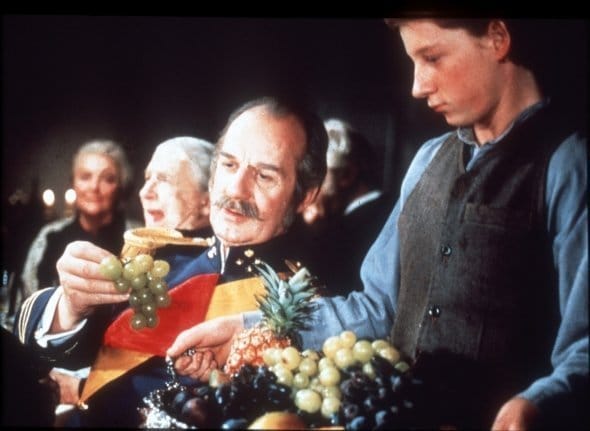
Great Films About Food
With the good burghers of the UK reeling from revelations that there’s more horse in their impossibly cheap frozen dinners and meat patties than in the 2.30 from Uttoxeter, I started thinking about food in films. Not the “food as scene setter” – though who doesn’t hanker after a cosy neighbourhood Italian restaurant with booths and checky tablecloths, the sort you see in old Scorsese movies – no, I’m after the ones where food is either pivotal, or transgressive, or transformational. Significant, in other words. Babette’s Feast (1987, dir: Gabriel Axel) Often held up as the best film about food – I’d go along with that – Babette’s Feast dangles sensual pleasure in … Read more
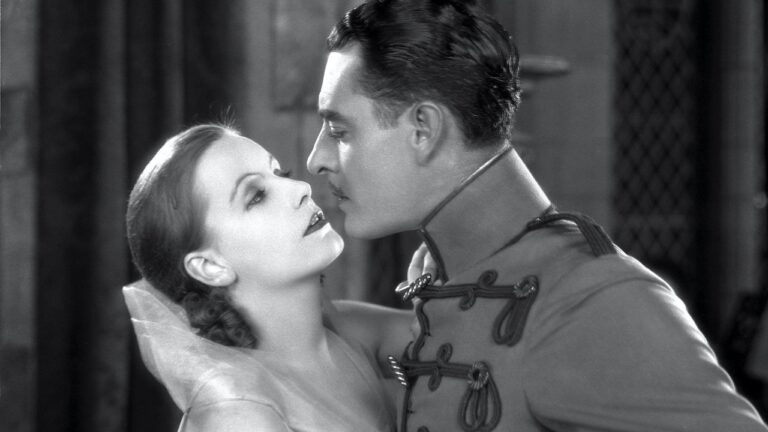
100 Years of… Flesh and the Devil
Flesh and the Devil was Greta Garbo’s third Hollywood movie after arriving from Europe aged 20 in 1925, and it’s the one where everything suddenly clicks. She has the right director (Clarence Brown), the right director of photography (William H Daniels) and the right co-star (top-billed John Gilbert aka The Great Lover). Originally it was meant to be Lillian Gish in the lead, but Garbo got the job because she was cheaper. The massive success of Flesh and the Devil made Garbo bigger than Gish, Swanson and all of the rest of them, bigger even than any studio. From this moment on she could write her own ticket. With total total control she … Read more

What Is an Aseptic White Room Thriller?
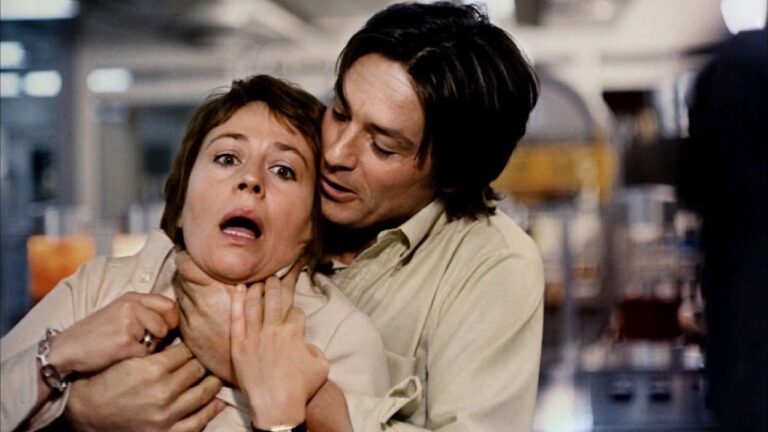
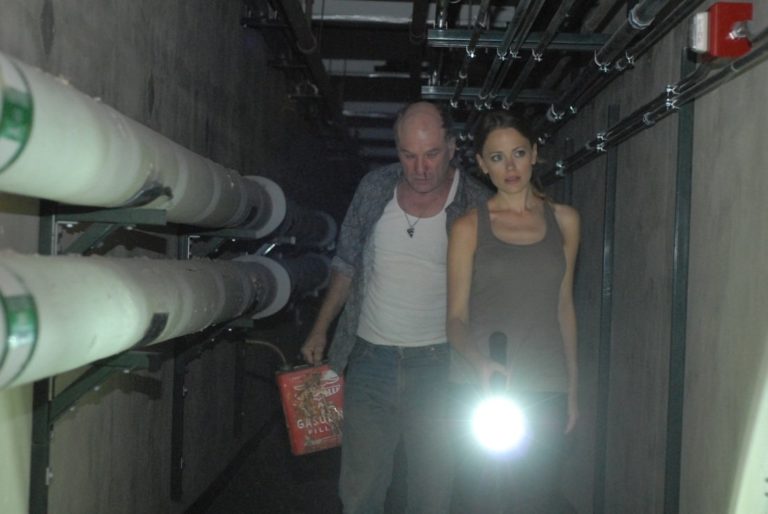
The simple answer to the question “what is an aseptic white room thriller” (AWRT) is Cube, Vincenzo Natali’s cult Canadian sci-fi movie from 1997. More abstractly, it’s a film that takes place on a single set, usually white though not necessarily. Lighting will be clean, clinical, fairly devoid of shadow. Soundtrack music will be scarce or absent. As for sound design, a background hum of air-conditioning is standard. Clanking, the whooshing of doors, “noises off”. It’s the plot that is most definitive. In the AWRT no one really knows what’s going on. Typically the film opens with the characters who don’t know each other waking up somewhere far from home, to find that … Read more
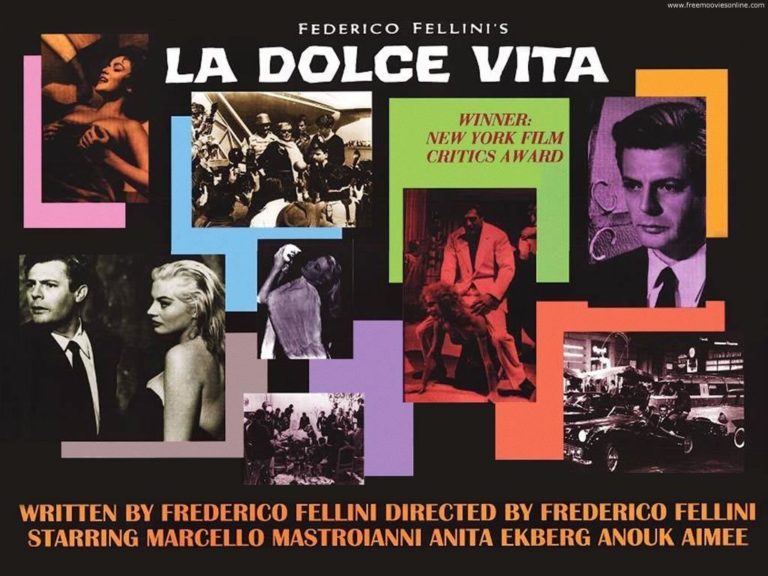
Isn’t It Iconic?
La Dolce Vita might not be the best Italian film ever made. Or the cleverest, steamiest or most gripping. But it is the most iconic. Here’s why… Just a touch over 50 years ago the assembled critics at the Cannes film festival gave Federico Fellini’s La Dolce Vita a standing ovation. Not at the end of the film, or even at the moment when Anita Ekberg gets into the Trevi fountain, its most remembered scene. No, what got them to their feet was the film’s opening shot. It’s of a huge statue of Jesus Christ being airlifted out of Rome, the Eternal City. It doesn’t look like much now but back then this … Read more
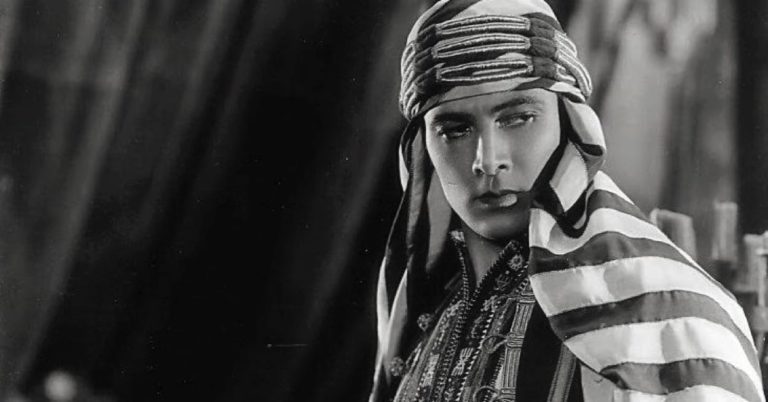
100 Years of… The Sheikh
Rudolph Valentino had two big films in 1921. The Four Horsemen of the Apocalypse, by far the biggest grossing film of the year, was the one that made him a star. But The Sheikh was even more important. It made Valentino so famous that we still talk of him today, long after the auras of fellow stars like Norma Talmadge and Wallace Reid have faded. The Four Horsemen gave Valentino the “Latin lover” tag but The Sheikh made it stick, something that Valentino – striving to have a varied career – struggled against before bowing to the inevitable in 1926 with Son of the Sheikh. In an intense but short time at the … Read more