The Clock

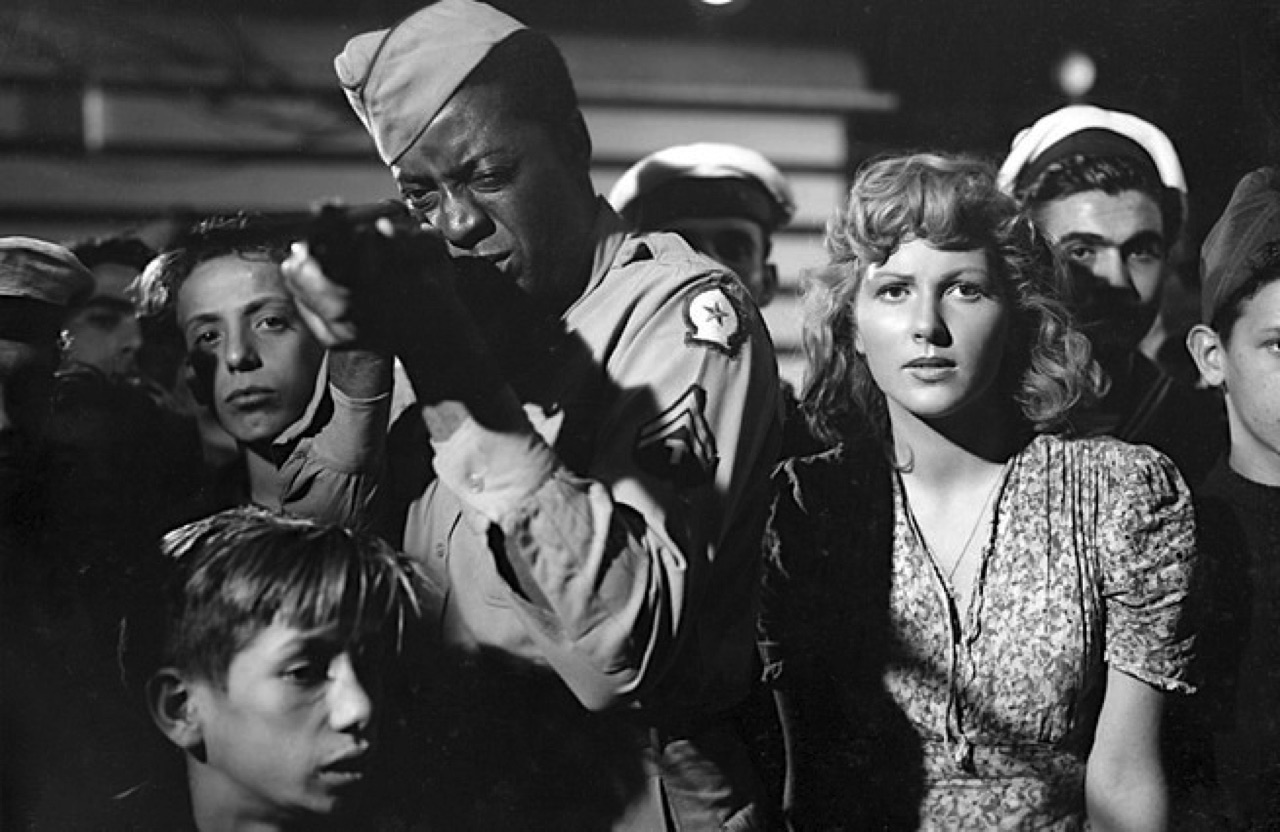
Joe stares into Alice's eyes

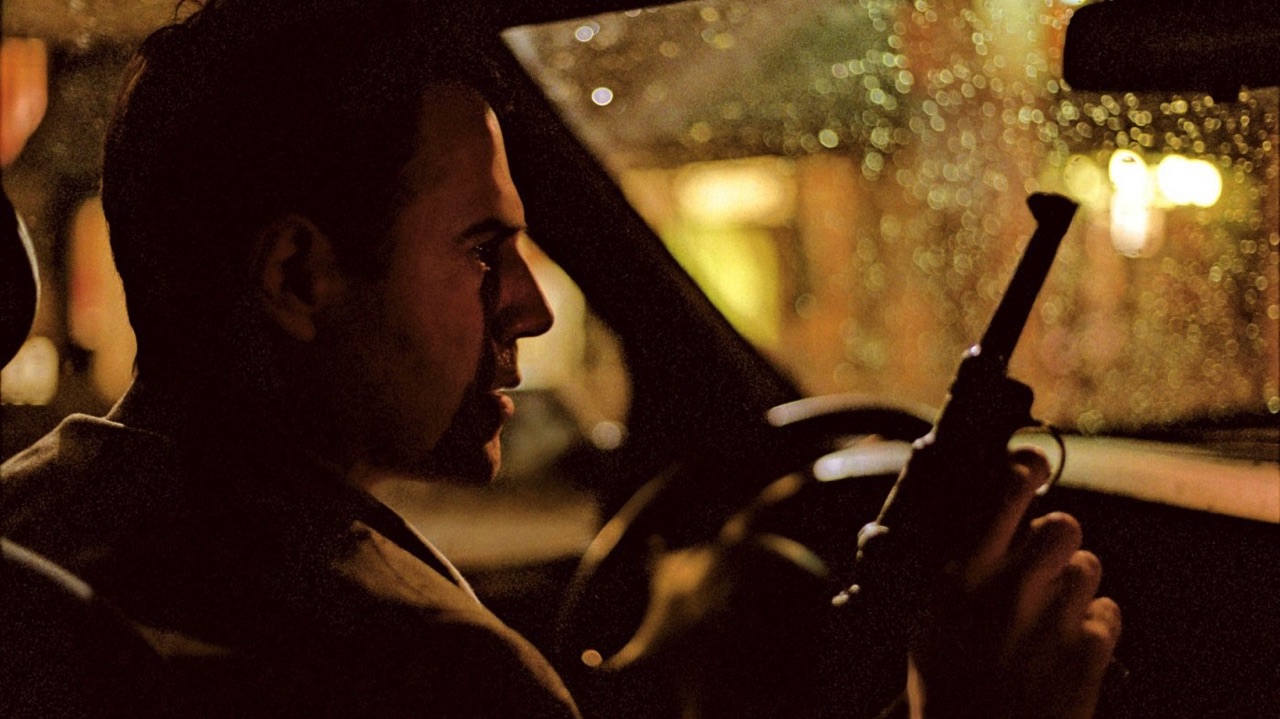
Stirringly democratic and winningly romantic, The Clock is one of Judy Garland’s best films. She sings not a note, you may be surprised to learn, but brings a tear to the eye with her portrayal of a sweet young miss having a whirlwind romance in surely the most New York New York ever committed to film. Almost all of it was shot in the studio, you may also be surprised to learn. Anyhow, Alice (Garland), a button-bright go-getter meets-cute with Robert Walker’s Joe Allen, a corporal on 48 hours leave, after he causes her to break a heel on an escalator in busy Pennsylvania Station. Though properly contrite, he is taking barely any … Read more

Oh, Canada

Jacob Elordi as a young Leo

Robert DeNiro turned it down and so Richard Gere wound up with another decent role, in Paul Schrader’s Oh, Canada, a cool look at “heroic” types who have done little more than hitch a ride on a wave. Gere plays a crusading documentarian who, stricken with terminal cancer at the end of his life, is being interviewed by old students – now famous themselves – for a last hurrah. Malcolm (Michael Imperioli) and Diana (Victoria Hill) are here to celebrate the man and his valiant work. That’s the dying Leo’s initial intention, too. But, unsure of himself and realising that this is his last chance to set the record straight, he switches track … Read more

The Woman on the Beach

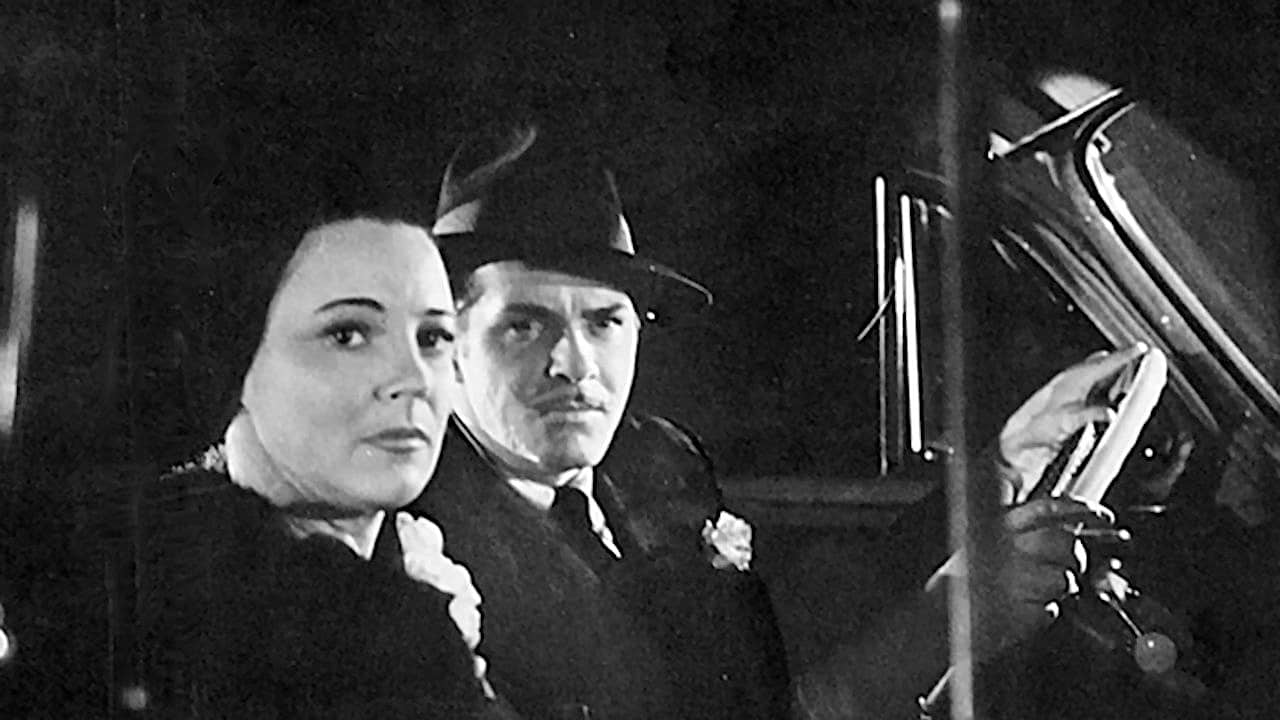
Peggy smokes and Tod scowls

The Woman on the Beach is a bit of a dog’s breakfast. Designed as a dreamy, psychological tear through the unconscious, where libido is locked in a fight with other bits of the psyche, it wound up looking like it had been in a fight with itself. After a negative preview screening, panicked director Jean Renoir took it away and cut out 30 minutes of it. After reshooting all the scenes between leads Joan Bennett and Robert Ryan, he recast the only other significant woman in it. Out went Virginia Huston and in came Nan Leslie, who plays the significantly named Eve. The result? “I produced a film which was, I think, neither … Read more

Riefenstahl

A smiling Adolf Hitler with a laughing Leni Riefenstahl

As you might expect, Riefenstahl is a documentary about Leni Riefenstahl, “Hitler’s favourite film-maker”. The director of Triumph of the Will and Olympia, Riefenstahl’s career was first boosted and then destroyed by her association with the Führer. She insisted to the grim end – she died aged 101 in 2003 – that she was enthusiastic for Hitler at the time because all Germans were, nothing more or less. Director Andres Veiel had access to the Riefenstahl estate and so is able to include material that’s not been seen or heard before – interviews blowing up spectacularly when Riefenstahl loses her rag and telephone conversations with supporters, including Albert Speer. Veiel largely takes the combative … Read more

The Unsuspected

Victor and his ward Matilda

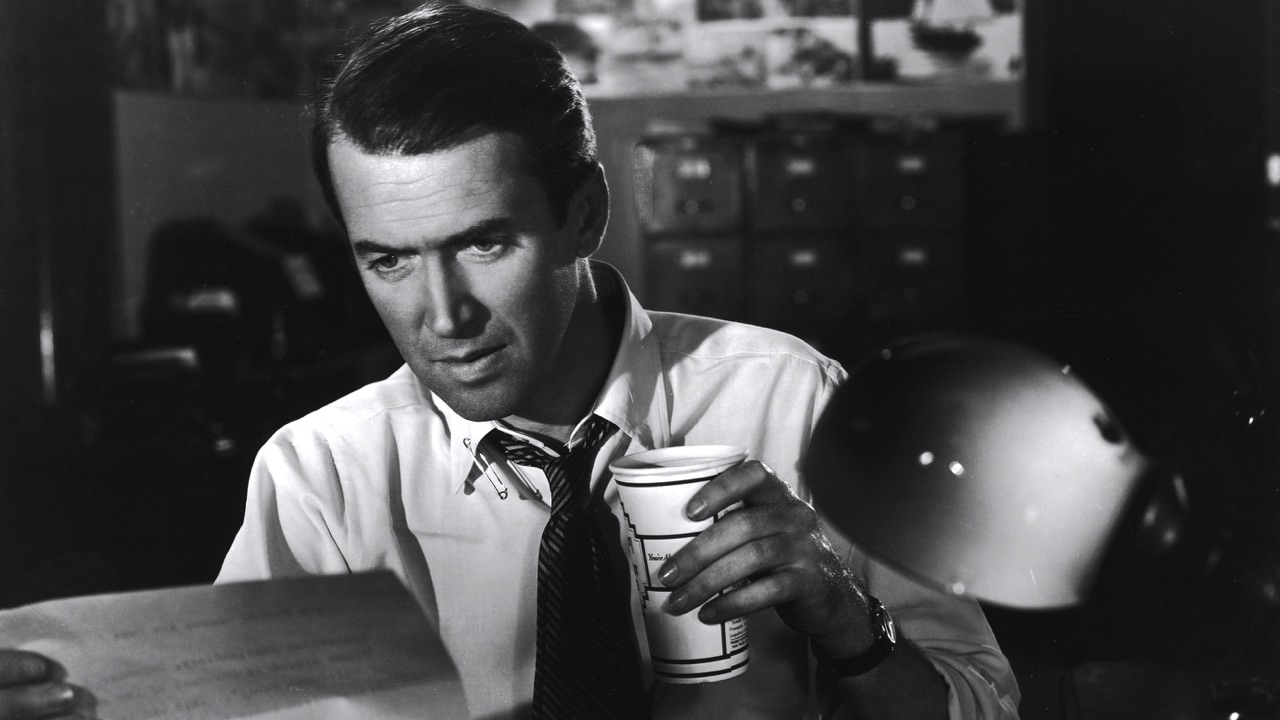
Very meta, especially for 1947, The Unsuspected is a crime thriller about a murder at the home of the host of a true-crime podcast – whoops, radio show. The show is called The Unsuspected too, and is hosted by Victor Grandison, those names suggesting he’s both victorious and grandiose. It’s obviously him wot dunnit, innit? Even though he was live on air at the time? Let’s see. Victor is played by Claude Rains. And if there was just one reason for watching this fast and fun thriller he’d be it. But in fact there are plenty. Big-house murder-mystery is the big idea, with lots of suspects to point the finger at once murder – … Read more

Dracula

Mina and the Count

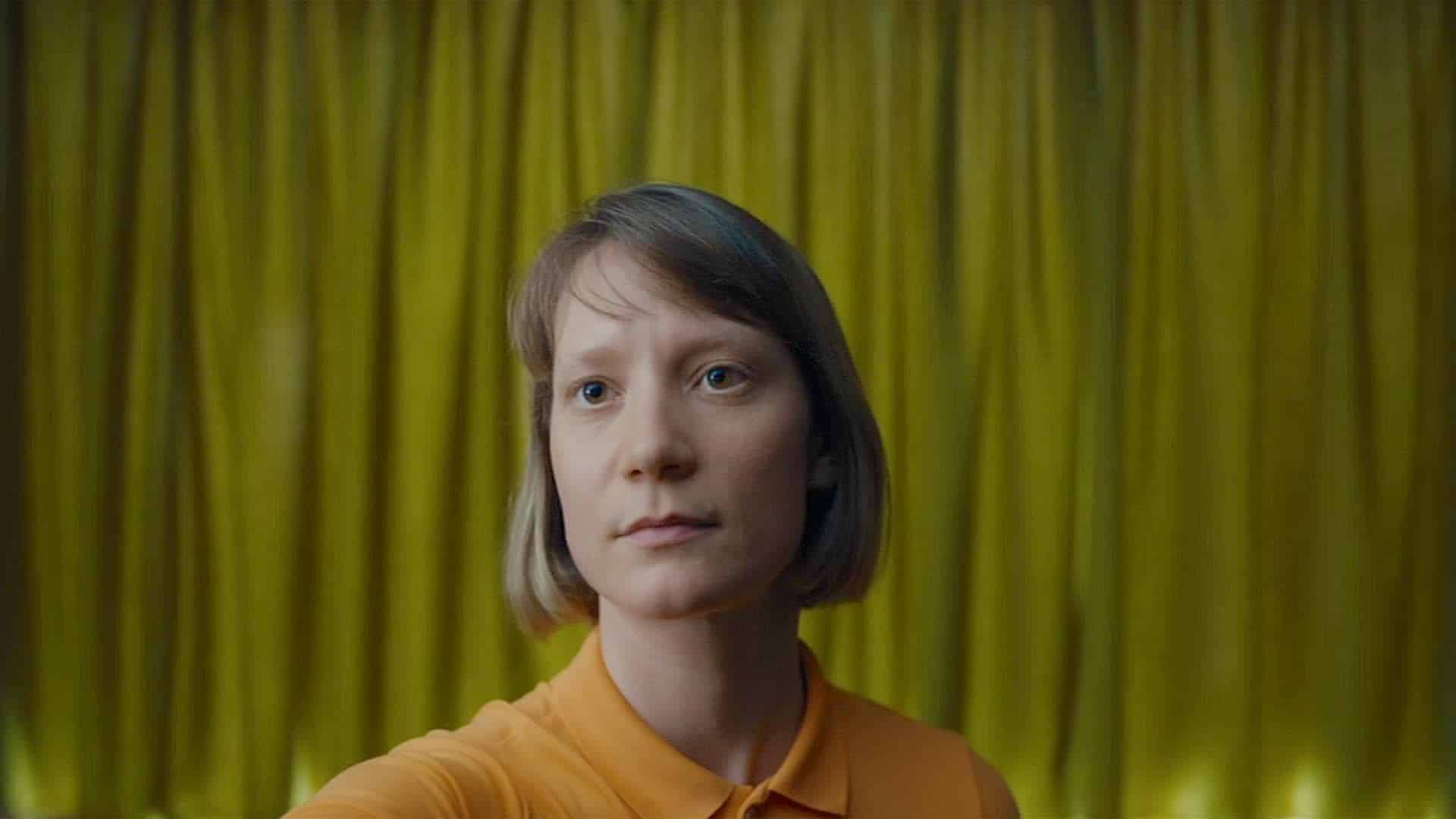
Persistently undead, always on point, it takes more than a stake and some garlic to keep the Carpathian count in his box. This Dracula is one of several outings for the thirsty aristocrat and pretenders to his crown in recent years. As well as a recent Nosferatu, other high-profile entries on a long list include The Last Voyage of the Demeter and Renfield, not forgetting El Conde, The Vourdalak, Day Shift and Humanist Vampire Seeking Consenting Suicidal Person. In 2025 alone there were two movies called Dracula. This one, by Luc Besson – also known as Dracula: A Love Tale – and Radu Jude’s starkly mononymic Dracula. No surname required. To be honest, … Read more

Daughters of Darkness

Close up of the countess

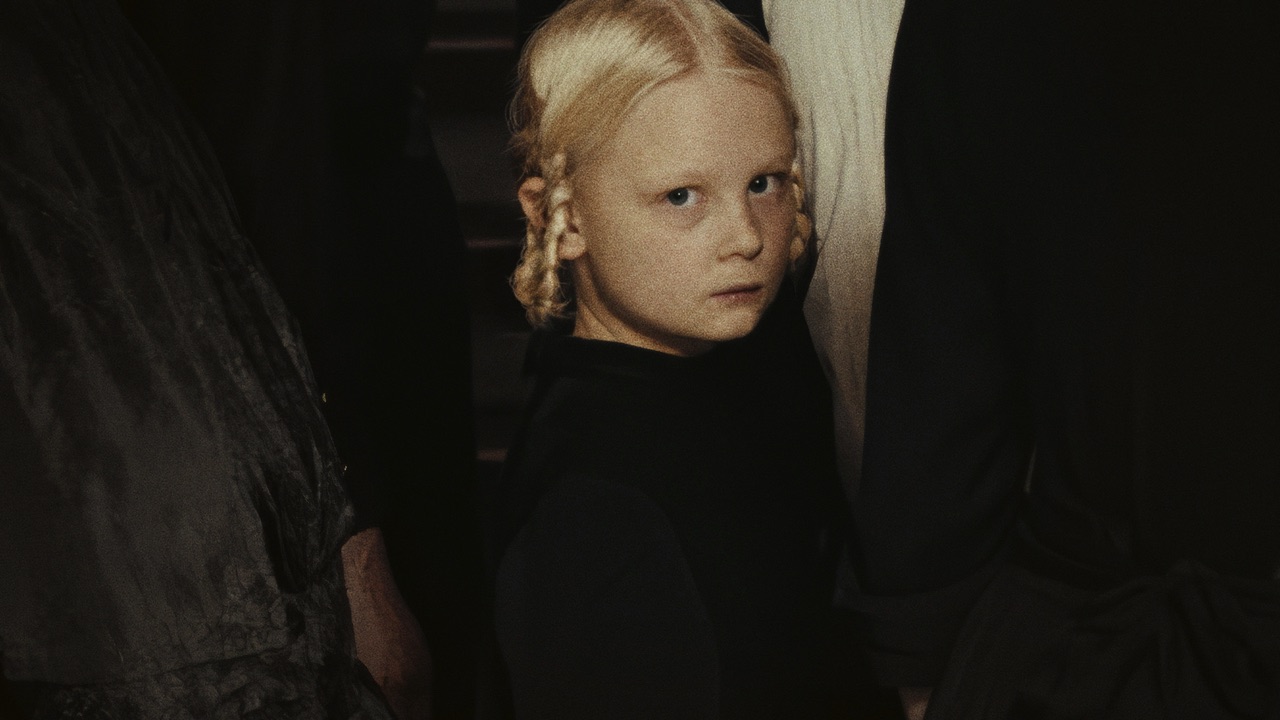
Going only off the title, I thought Daughters of Darkness was going to be a typical early 1970s vampire movie, featuring breasty young goths with prosthetic teeth wafting around in chiffon. My prejudices. I was partly right – it is from the early 1970s, and it is about vampires of a sort. There are breasts too. But the tone is not the cartoon gothic of many a Hammer horror film. Instead this Belgian cult item goes in for a sort of chilly giallo – Northern Europe just isn’t as warm-toned as Italy. It’s all set in an out-of-season hotel in the Belgian port of Ostend, where a rich young man and his new … Read more

Sentimental Value

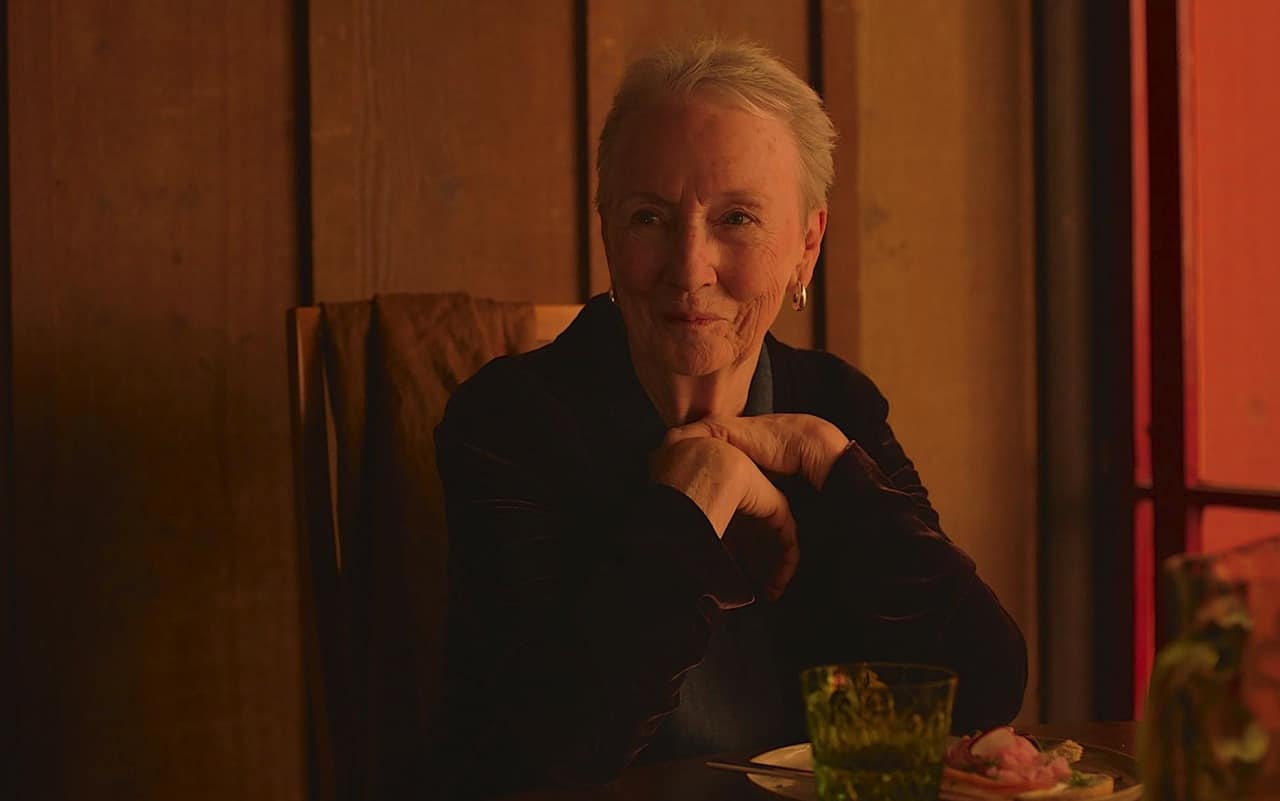
Father Gustav and daughter Nora

Imagine a standing ovation lasting for 19 minutes – enough time to have a bath. That’s what Sentimental Value got when it was shown at Cannes. Where, admittedly, they like this sort of thing – European, dense, non-genre, self-referential, serious, full of unsympathetic characters and recalling auteurs of the past. Bergman most obviously, and Persona in particular, a high point in his career of high points. There is a story, though it’s a jumping-off point for a series of meditations rather than a plot. After their mother dies, two sisters, Nora and Agnes, are slightly surprised and perturbed when estranged father, a cinema auteur whose best days are probably behind him, re-appears. Gustav, it … Read more

Fantômas: L’échafaud magique

Fantômas in a mask

Fantômas: L’échafaud magique (aka Fantomas: The Magic Scaffold) is the first of four feature-length adaptations made in the 1980s for French TV. No less than Claude Chabrol directed this first one, with Juan Luis Buñuel (son of Luis) picking up numbers two and three, before Chabrol returned to round the series off. If you know Fantômas at all then it’s probably not through his TV outings. The infamous master-criminal appears in a vast number of novels and was famously turned into a rollicking silent feature by Jean Feuillade in 1913 (the first of five that appeared over the next year and a bit), returning even more famously on film in a series of … Read more

Exhibiting Forgiveness

Tarrell and Aisha

Exhibiting Forgiveness is the sort of film I don’t naturally gravitate towards. It’s about human feelings. It’s heartfelt. It holds out the possibility of positive change in a world stuck in a rut. It’s a Sundance movie. Nothing wrong with Sundance movies but, as an entirely unfair generalisation, they do seem to exhibit a belief that putting emotion out there is interesting in itself, and that the sight of people having earnest conversations, shooting the breeze in a “naturalistic” way, is as dramatic as anything needs to be. So, my stunted emotional hinterland laid bare, to Titus Kaphar’s first feature. He’s a painter who’s now made a film about a painter reconciling with … Read more