Latest Posts

The Life of Oharu
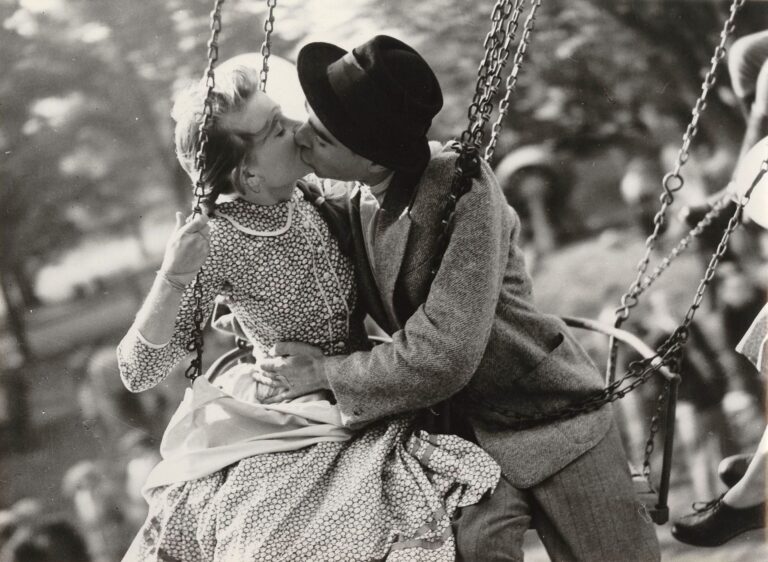
The Life of Oharu is one of the Criterion Collection, which means it’s reckoned to be up there with the very best – by one outfit at least. The great director Lucile Hadžihalilović also rates it highly – it’s her favourite film by Kenji Mizoguchi and, she says, “the most poignant film I have ever seen about the life of a woman.” If you know Hadžihalilović’s films (like Innocence or The Ice Tower) watching The Life of Oharu is a real ah-haa experience. So this is where Hadžihalilović got so much of what she’s about. Talent borrows, genius steals, as someone famous once said (Oscar Wilde, Pablo Picasso or TS Eliot are all … Read more
If I Had Legs I’d Kick You
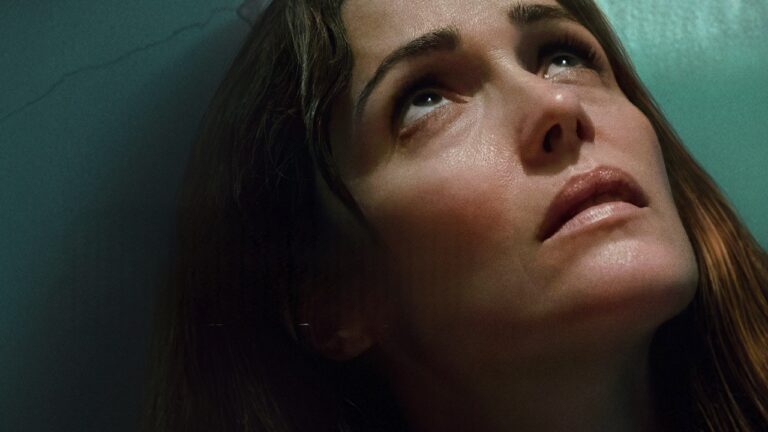
Rose Byrne has been acting since she was 15, but it wasn’t until If I Had Legs I’d Kick You that some people started noticing how good she is – no matter how much money movies like Bridesmaids or Insidious make, it takes a “serious” movie to unlock some people’s critical reward system. But she is good in this. And she has to be, because this entire exercise in performative neurosis revolves around her. In fact the camera is on her so much that almost no one else features, and we only get to see her daughter – a bone of some contention throughout – right at the end. Which is how (once … Read more
Suspense
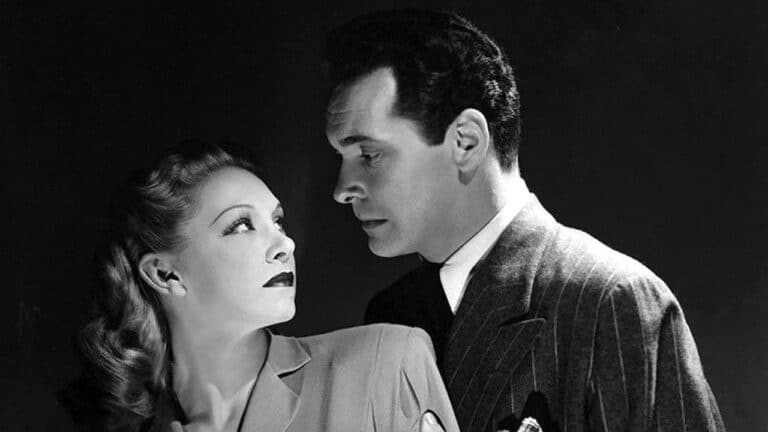
Film noir on ice! Suspense is a bit of a mess and the critics didn’t like it much when it came out in 1946. But the years have added a touch of fairy dust and there’s enough in here to entertain and delight, plus some decent performances, fine noirish lighting and a sense of paranoia towards the end so intense it’s almost as if Franz Kafka had a hand in things. In short it’s the story of a drifter who gets a job on an ice show and then falls for the boss’s wife, who is the show’s star attraction. At a certain point the boss disappears under an avalanche, leaving the way … Read more
Souleymane’s Story
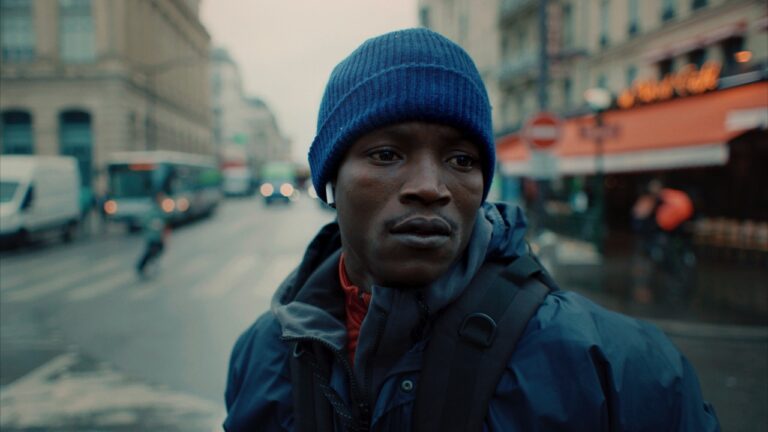
Souleymane’s Story got lots of love on the festival circuit and made it onto quite a number of the Best Of 2025 lists. And yet it’s about the immigrant experience. I say “And yet” because, face it, your heart sinks a bit at the prospect of watching some poor sap having a relentlessly terrible time at the hands of the authorities. Director Boris Lojkine clearly understands that too, and has decided that the way to persuade audiences to watch his film is to give them energy and thriller vibes. An Uncut Gems of the French sans papiers is the result. It’s a familiar story, following Souleymane (Abou Sangaré), who works as a food-delivery … Read more
Fantômas
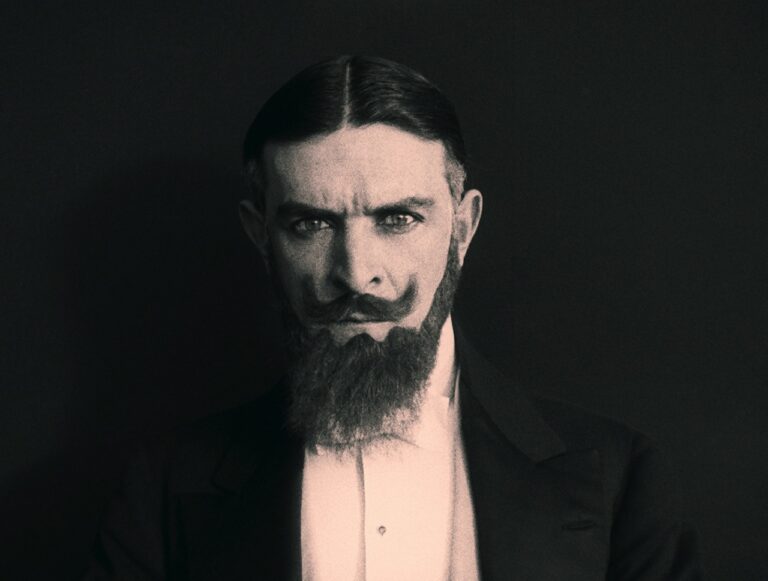
With a new Fantômas film in the works, a quick look at the first one, Fantômas: À l’ombre de la guillotine (aka Fantomas: In the Shadow of the Guillotine), which came out in 1913. Which is, let’s face it, a hell of a long time ago. Remarkably, it stands up pretty well and is a good reminder that the camp and larky Fantômas we know today (if we only know the 1960s movies) owes quite a lot to The Pink Panther. This Fantômas is more sombre. A creature of the underworld, a criminal first and foremost, he’s a master of disguise, which director Louis Feuillade conveys in the opening montage of Fantômas looking … Read more
Die My Love
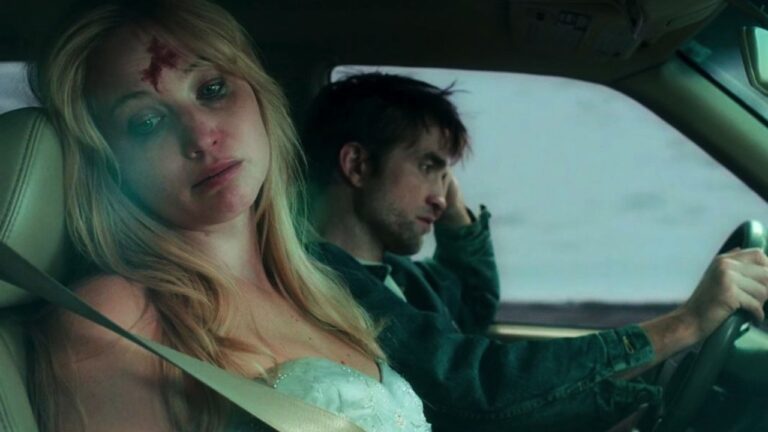
I’m amazed at how many of “the best films of 2025” have left me pretty cold. Die My Love joins the list alongside the likes of Sinners, The Mastermind and Bugonia – everyone loves them, but I thought they were just OK. I did like Die My Love, though, particularly the florid performance by Jennifer Lawrence as a woman losing her mind in a severe case of post-partum depression. Possibly. It’s never entirely spelled out, but then that’s often the case with diagnosing the baby blues too. It’s a one-woman show offering co-star billing but not oodles to do to Robert Pattinson, who plays Jackson, the partner of Grace (Lawrence), who has brought … Read more
Les Visiteurs du Soir
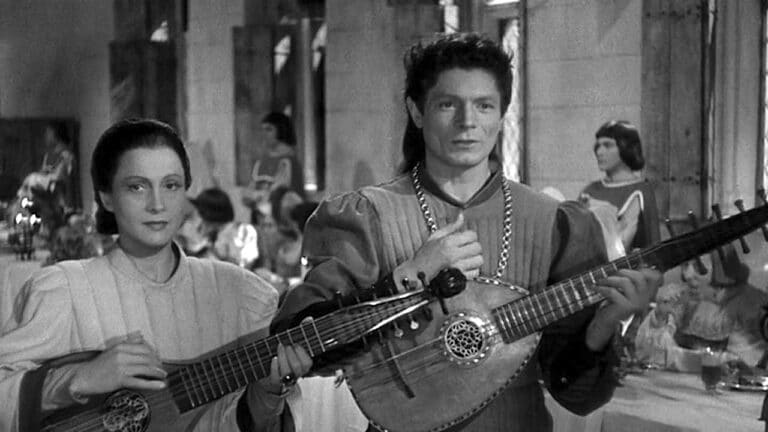
Because Marcel Carné made Les Visiteurs du Soir in Nazi-occupied France, and because it’s about a realm invaded by the The Devil’s Envoys (the English title), it’s often seen as allegorical. Carné denied it to the end of his life. But his film works perfectly well as an allegory as long as you stop there – the invasion bit. Go any further and the comparison will not hold. Set in a 15th-century France of doublet and hose and conical hats, it follows a couple of the devil’s representatives, who have been sent to Earth disguised as minstrels to create mayhem. Dominique (Arletty) and Gilles (Alain Cluny) arrive at the court of Baron Hugues … Read more
The Mastermind
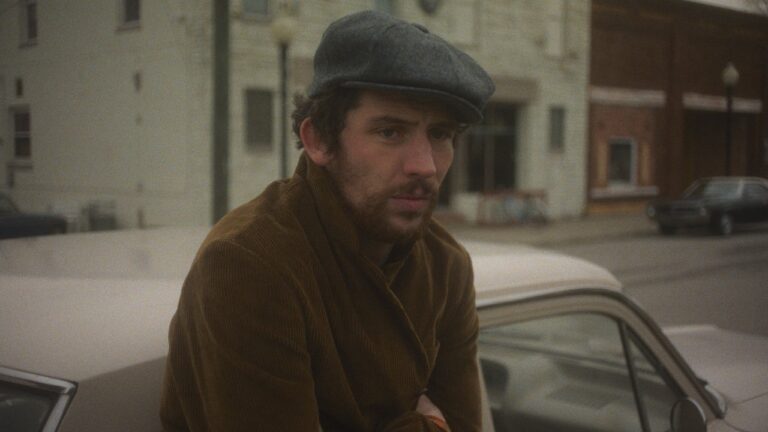
Loved by lovers of French film who can tell their Bresson from their Melville, The Mastermind is a touch inert if you come to it expecting what it’s billed as – an art-heist thriller. Instead Kelly Reichardt and her star, Josh O’Connor, cook up something altogether more speculative, meditative. Dull? We are largely denied the joys of the heist movie – watching a meticulously planned operation as it is put into play. Instead Reichardt does a “what if?”. What if the mastermind is at the last minute called on to mind the kids, for instance. Just one of many handfuls of grit thrown into the well-oiled machine – which isn’t that well-oiled in … Read more

The Dark Mirror
I asked Gemini, Google’s AI thingie, what the best “abnormal psychology” film noir was, pretty certain it would say The Dark Mirror. It did. Along with In a Lonely Place and Night of the Hunter, a couple of other suggestions. In the halls of appreciation of old movies those last two get plenty of love, but for some reason 1946’s The Dark Mirror seems to have fallen by the wayside a bit. Which is unfair for all sorts of reasons. The plot is a cracker, for starters. A doctor has been murdered but the woman placed at the scene of the crime has a watertight alibi. She was elsewhere, and several witnesses can … Read more
Weapons
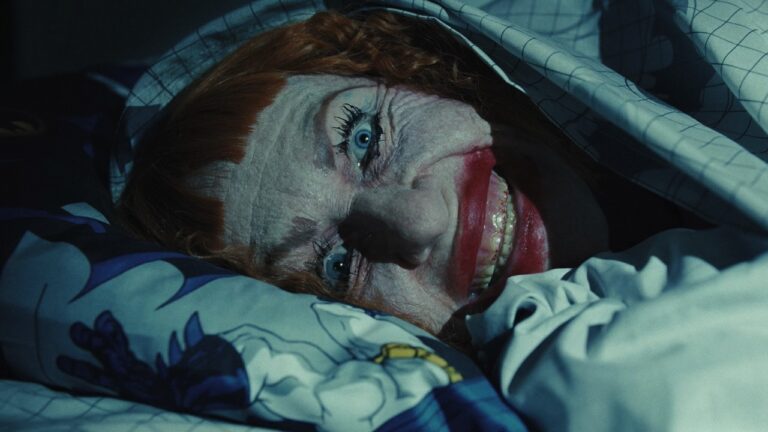
Zach Cregger found his niche with Barbarians and double-whammies with Weapons, a horror movie so intensely focused on character that the horror could easily be removed and it would still work. Here they are, all these small townsfolk, warts and all, peccadilloes to spare. Julia Garner as Justine, the teacher of young kids who drinks way too much and likes having boozy sex with Paul, a guy she shouldn’t have sex with. Josh Brolin as Archer, an angry parent convinced that Justine is behind the peculiar disappearance of an entire classful – bar one – of kids, determined to expose her for what he thinks she is. Alden Ehrenreich as Paul, the recovering alcoholic … Read more

Nothing But a Man
Made in 1964, in America’s Deep South – Alabama, to be precise – Nothing But a Man is, if nothing else, a remarkable document giving us an insight into the everyday lives of people on the wrong side of the racial divide at precisely the moment when the civil rights struggle was coming to some sort of a head. It would be a great film even without all that “historically important” aspect. Unusually neo-realist and quasi-documentary in style, it’s a powerful but simple boy meets girl story of a rangy guy who works on the railroad and the preacher’s daughter he falls for, much to the discombobulation of the preacher. Having ridden out the … Read more

Architecton
Victor Kossakovsky’s documentary Architecton is a poetic rumination on the building blocks of settled societies – stone in the ancient time, concrete today. What about brick, you might immediately ask? It’s been around for at least six thousand years in its baked form, and even longer if we include unbaked mud. Not a squeak, not a mention. But let’s not review the film Kossakovsky hasn’t made. Instead here we are with an impressive montage piece starting in war-destroyed Ukraine, where remarkable camera footage slo-mos down a bombed tower block, revealing lives hastily abandoned – a TV set, a sewing machine, a slab of concrete floor hanging precariously into the dwelling below. In a … Read more