Latest Posts

100 Years of… Battleship Potemkin
Imagine that, one of the best movies ever made is only 75 minutes long. All those epics striving for significance with buttock-flattening running times outdone by Battleship Potemkin, a century-old silent movie lasting only one hour and 15 minutes. Sight and Sound in their latest poll of the all-time greats currently have Potemkin in joint 54th place (alongside Blade Runner, Le Mépris, The Apartment and Sherlock Jr). Cahiers du Cinéma rate it highly. It’s one of the 1001 Movies You Must See Before You Die. At breakneck speed it tells the story of a failed revolution, the one in 1905 when the Russian navy mutinied and, for a brief moment, the possibility of … Read more
Blue Moon
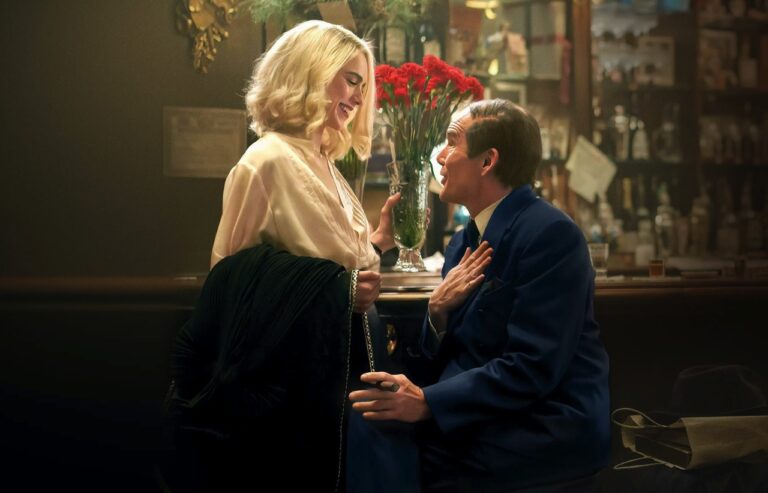
The crappier sort of biopic tries to get the whole life into a couple of hours’ running time. The better ones seize on a moment or a few moments in the life of Famous Person X and make it/them emblematic. That’s what Blue Moon does, in spades. This is the story of the life and, in a way, the death of Lorenz Hart, the lyricist known for his sad, sad songs – My Funny Valentine is one of his. So is Glad to Be Unhappy. Blue Moon too. Difficult to work with, Hart had had a fruitful relationship with Richard Rodgers until Rodgers broke it off and went off to work with another … Read more

Joyless Street
There’s a lot going on in Joyless Street (Die freudlose Gasse), GW Pabst’s epic “Straßenfilm” about the Weimar era in Germany, made during the Weimer era in Germany. Greta Garbo is in it, which tends to draw a lot of attention, and because the film survives only in a print with a good half hour missing, it’s often described as her film. It certainly looks that way from the 150 or so minutes now available. But Asta Nielsen was top-billed when it came out and she thought she was the star. So spare a thought for poor old Asta as you watch a tale of two impoverished young women doing what they have … Read more

Twinless
The reinvention of Dylan O’Brien continues with Twinless, a tale of fruitless love and stalkerish obsession aimed at the mopey Gen Z contingent but with enough meat and thrillerish darkness to satisfy most tastes. It’s billed as a black comedy on Wikipedia (all the research I did before watching it) which seems like a bit of a stretch. Mournful, creepy and tense, I thought, especially once it gets into its stride and starts working up a sense of doomed tragic love that cannot go anywhere except to the bad. O’Brien plays two roles – the gay, popular and dead Rocky and his twin brother, the straight, withdrawn and alive Roman – who meets … Read more

100 Years of… Visages d’enfants
If you’ve heard the name Jacques Feyder but never seen any of his films, Visages d’enfants is a prime place to start. A beautiful example of simple and direct storytelling done with more technique than you’d expect for a film from 1925, it demonstrates what a master Feyder was, particularly of the language of film – in fact he’s creating some of it as this film is running through his camera’s sprockets. The title translates into English as either Mother or Faces of Children and that difference of emphasis sums up the plot. A young boy is orphaned and his father remarries – how does little Jean fit in now, with the new … Read more

Rumours
The opening credits of Rumours formally thank the leaders of the G7. Which must be some kind of joke, because none of them emerges reputationally intact from this very weird film. Though getting a precise bead on the type of humour in play is tricky. Is it political satire? Cultural satire? Surreal japery? Guy Maddin is involved – co-writing and directing with brothers Evan and Galen Johnson – so who honestly knows. Maddin’s films don’t make money but he has fans in the right places, often managing to snag the sort of actor audiences might not expect, playing the sort of role the actor probably didn’t expect. Isabella Rossellini as a beer heiress … Read more
Deadline at Dawn
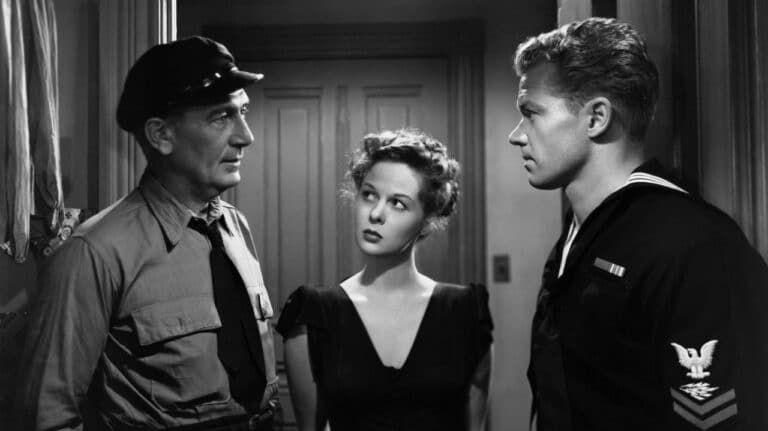
A romance, a noir and a whodunit all in one, Deadline at Dawn is the only film Harold Clurman ever directed. A theatre director by background, Clurman wisely keeps it between the rails here with solid functionality. He shows us the stuff we need to see and nothing more. There’s no flash, no tricksiness. The same cannot be said for the timeline, which is jumbled about a fair bit. A smalltown soldier boy on leave in the big city wakes up with the mother of all hangovers and a pocketful of money. He has no idea where the loot came from, nor what he was doing the night before, beyond a hazy memory … Read more
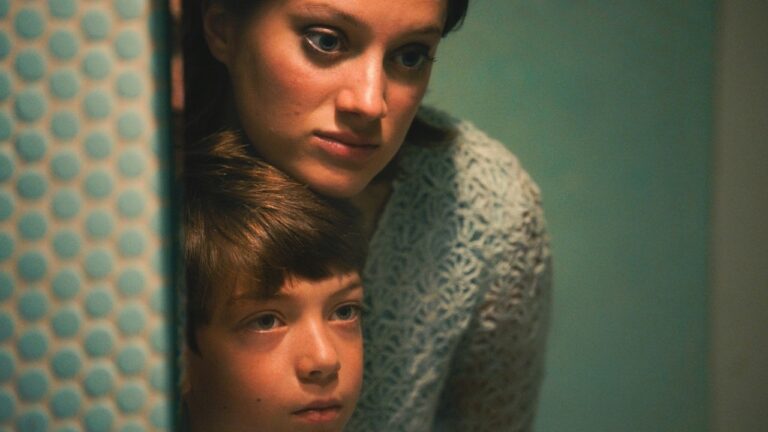
Red Island
A hypnotic coming-of-ager from Robin Campillo, drawing on his own childhood growing up in one of France’s last colonial outposts (Madagascar) for Red Island (L’île rouge), a story about a little boy who watches and learns as the French expat community do their thing. It is beautifully observed and gorgeously put together but it’s the sort of subject matter which, in the wrong hands, would be all sorts of boring. Campillo, though, is a great film-maker and with open nods masters like Abel Gance and Eisenstein, he assembles his film poetically. It is an intoxicating experience. And yet, superficially, it is done as if this were cold, clean and factual storytelling. Life on … Read more
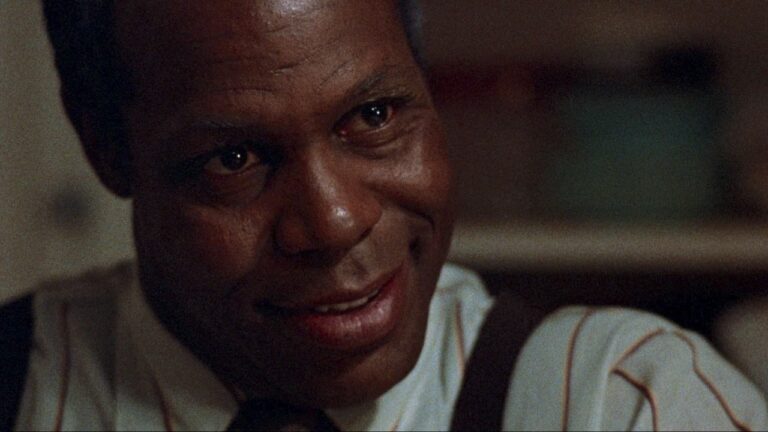
To Sleep with Anger
Between Lethal Weapon 2 and Predator 2 Danny Glover starred in To Sleep with Anger, a genre film of an entirely different stripe, masquerading as a domestic drama about an extended family of black folk. Glover plays Harry, an old-school charmer with Southern manners, who after many years of absence arrives back in the lives of old friend Gideon and his wife Suzie. Gideon invites his old childhood friend to stay and Harry soon has his feet well under the table. Writer/director Charles Burnett spends time detailing the extended family Harry finds himself among. It’s a slightly soapy portrait of a large group of people who get along just fine though not entirely … Read more

Anniversary
Barely promoted by a studio wary of its political content, Anniversary has a Stepford Wives – reality-adjacent – quality that stops it being really incendiary. It is chilly and chilling enough, though its big message is so emollient it almost undoes all the good work director and co-writer Jan Komasa has put in to stir things up. It’s the story of a big, noisy and mostly successful family – liberal as you like – brought low by a regime change precipitated by a book the girlfriend of one of them has written. When we first meet girlfriend Elizabeth Nettles (Phoebe Dynevor) she is nervously prepping herself for the meeting with the parents of her guy … Read more
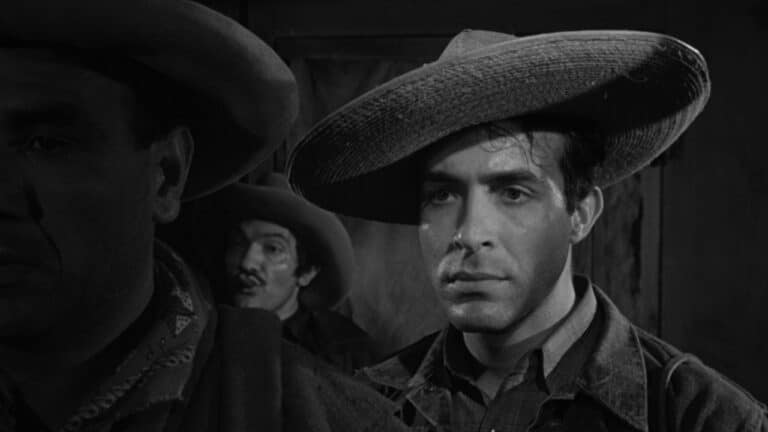
Border Incident
Evidence that borders aren’t just a 21st-century hot button, 1949’s Border Incident is about the contentious human back and forth between Mexico and the USA. Every year workers cross the border to harvest the crops in California, an authoritative and majestic introductory shot of the All-American Canal tells us, all part of the Bracero Program to import a workforce to do the jobs Americans don’t want to do. Braceros – from the Spanish for arms, because they’re manual workers – are a good thing, director Anthony Mann’s picture is at pains to point out. They only become a problem when they arrive in the USA illegally. Here, the picture is at even more … Read more

One to One: John & Yoko
Like all the Beatles anthologies attempting to squeeze new juice out of old fruit, One to One: John & Yoko digs through the archives to document two years in the lives of the famous couple, when they lived in Greenwich Village and went about their lives almost like normal people did. The seclusion of the Dakota Building years were still in the future. Starting out in 1971, Kevin Macdonald’s film catches Lennon at the intersection of two eras. Lennon the ex-Beatle is still largely of the opinion that he is a spokesman for progressive youth, but between the lines Macdonald’s film gives us a glimpse of Lennon either realising he no longer is … Read more