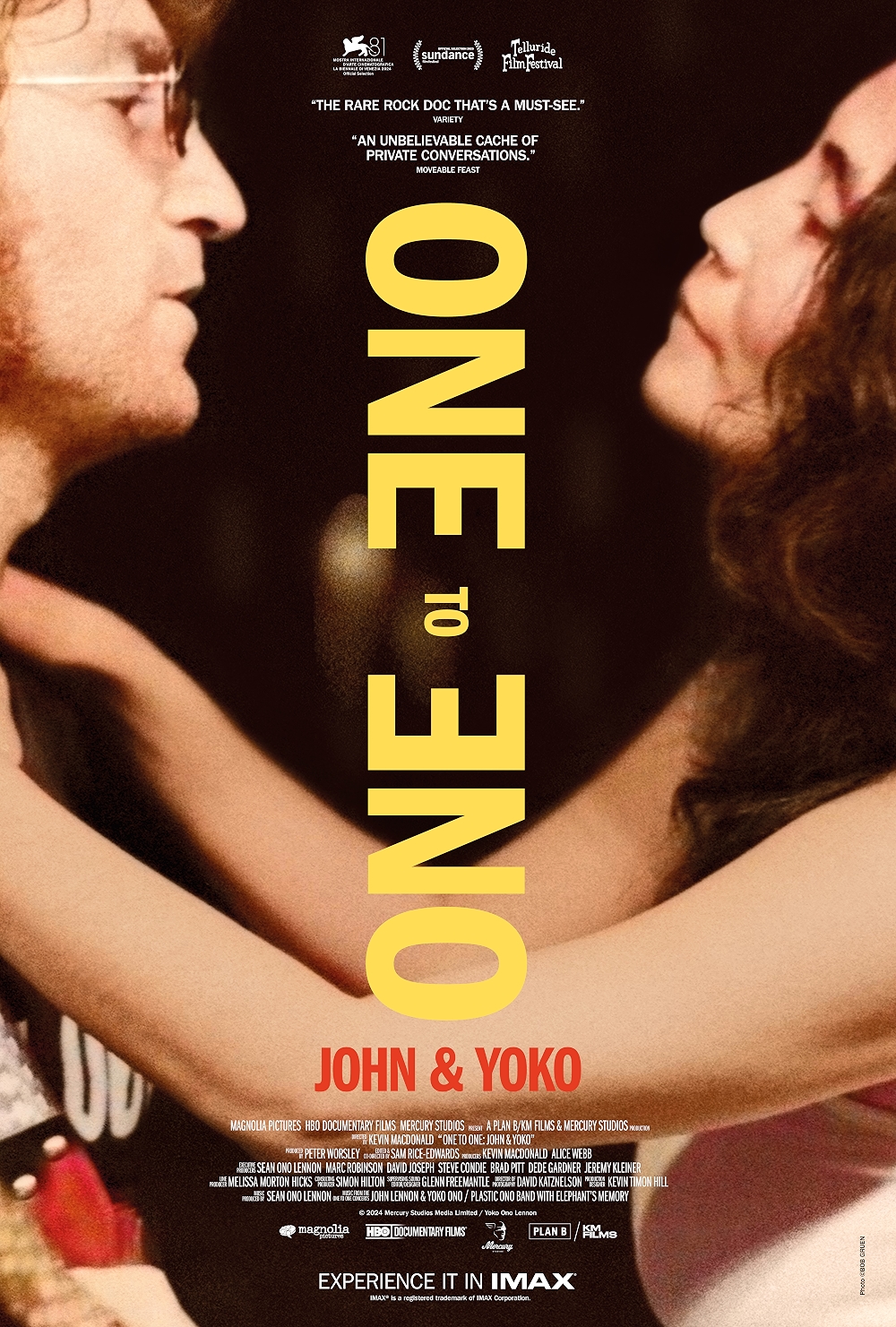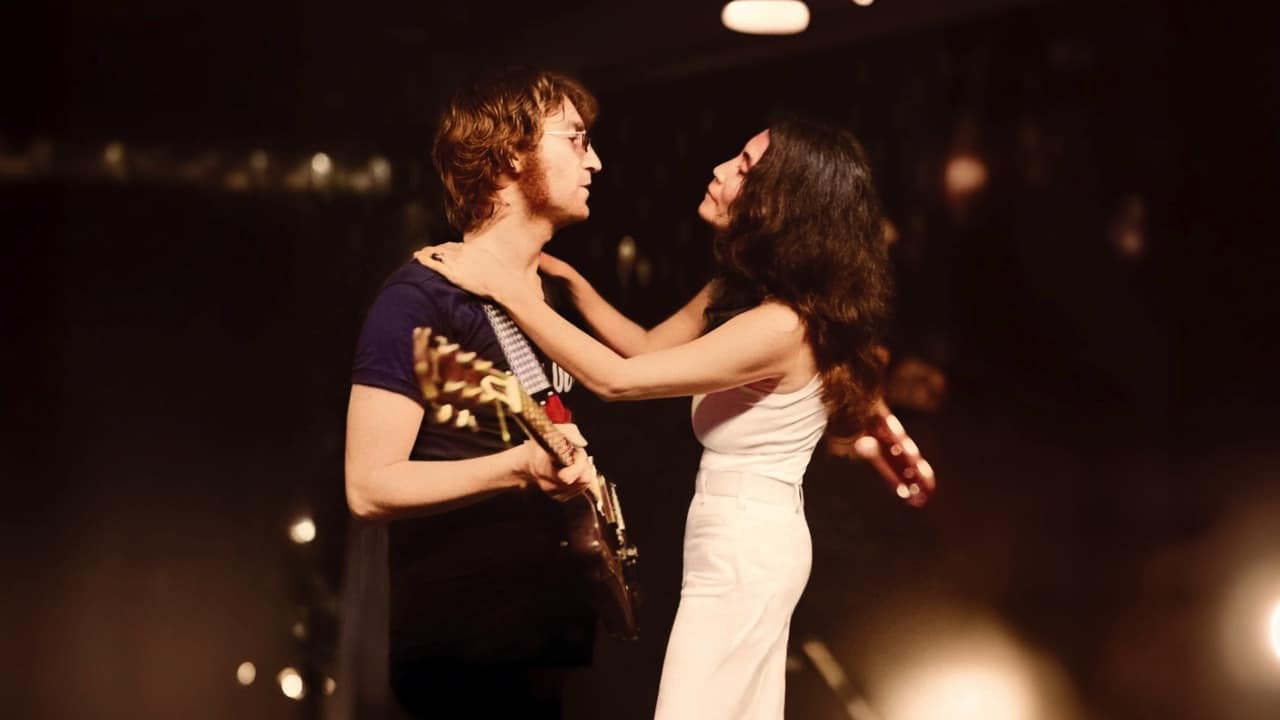
Like all the Beatles anthologies attempting to squeeze new juice out of old fruit, One to One: John & Yoko digs through the archives to document two years in the lives of the famous couple, when they lived in Greenwich Village and went about their lives almost like normal people did. The seclusion of the Dakota Building years were still in the future. Starting out in 1971, Kevin Macdonald’s film catches Lennon at the intersection of two eras. Lennon the ex-Beatle is still largely of the opinion that he is a spokesman for progressive youth, but between the lines Macdonald’s film gives us a glimpse of Lennon either realising he no longer is or of selling out (though with Sean Lennon’s name on the credits as a producer don’t expect the loudhailer to be used to say that).
The big sell, for Lennon fans, is unseen footage from the concert that Lennon and Ono gave at the Willowbrook Institution on Staten Island, a grim, state-run facility for special needs kids. Some of the material, the Lennon stuff mostly, formed the basis of his Live in New York City album. Ono’s contributions were cut for that – now they’re back. The other big sell is material from the couple’s personal archive, though don’t expect anything too revelatory. By Lennon’s own admission what he really liked doing when at home, now the hectic whirlwind of the Beatles years had subsided, was watch TV, lots of it.
Macdonald uses that as a frame on which to hang his film, flicking as if through channels to deliver cultural context – The Sonny and Cher Comedy Hour, Phil Donahue interviewing Yippie leader Jerry Rubin, a fan rootling through the rubbish outside Bob Dylan’s place, Richard Nixon, the Attica Prison Riot, plus old archive interview with Lennon, or Lennon and Ono, on various TV shows.
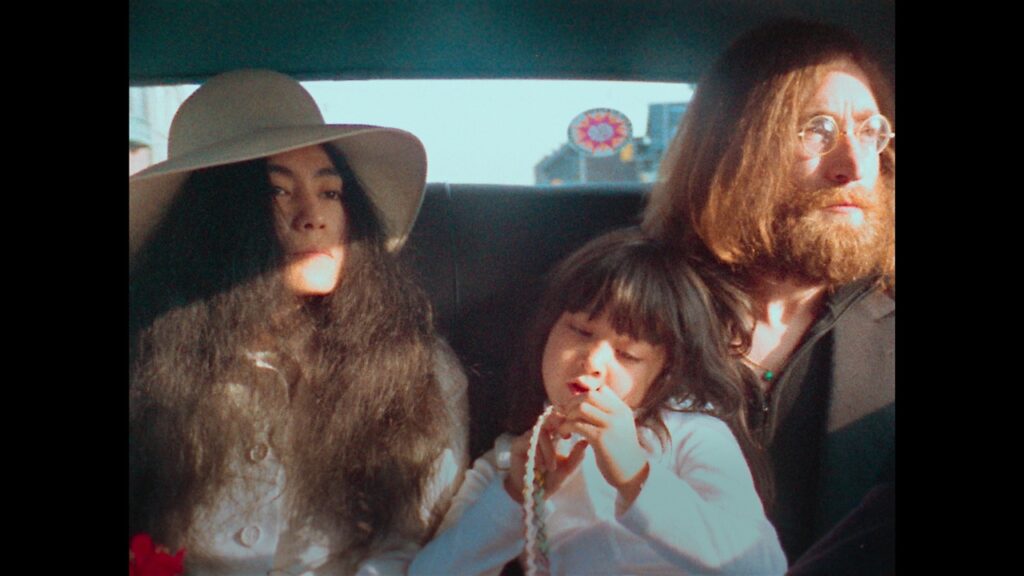
Periodically Macdonald returns to the Willowbrook gig for a song – Come Together, Cold Turkey, a starkly brilliant Mother, Imagine, Give Peace a Chance (with Stevie Wonder helping out). Periodically there are recordings of telephone conversations, mostly of Yoko talking to various assistants, attempting to organise an art show or responding to criticism that she broke up the Beatles. Then it’s Alan Ginsberg reading out a poem about the importance of washing your bottom. Or segregationist politician George Wallace being asked if he’s a racist – “No sir, I am not a racist”. A moment from the opening credits to the Mary Tyler Moore Show. A plateful of spaghetti and ragu. Yoko sings Don’t Worry, Kyoko (the song to her disappeared daughter), Looking Over from My Hotel Window, which is very sweet. The band Elephant’s Memory provide excellent backing for both her and Lennon.
It’s quite a heady whirl and situates us at a crucial moment for Lennon. Culturally he had already gone over the cliff, but like Wile E Coyote hadn’t realised it yet. Here, Lennon is still talking about revolutionary change as if he believed it, but did he? What Macdonald doesn’t show us is Lennon increasingly winding his neck in to secure the Green Card that would allow him to stay in the USA. You need the 2006 film The US Vs John Lennon for more on Lennon buckling under government pressure, though even there there’s a reluctance to say out loud what is obviously true.
Lennon was 31 in 1971, and had been famous for most of his adult life. He had nine years left to live. If you have no real image of him, this is not the place to start. If you’re a completist you probably know most of what this film reveals already. Somewhere in the middle is a sweet spot – you like the songs and you find the guy fascinating. This film is for you.
One to One: John & Yoko – Watch it/buy it at Amazon
I am an Amazon affiliate
© Steve Morrissey 2025