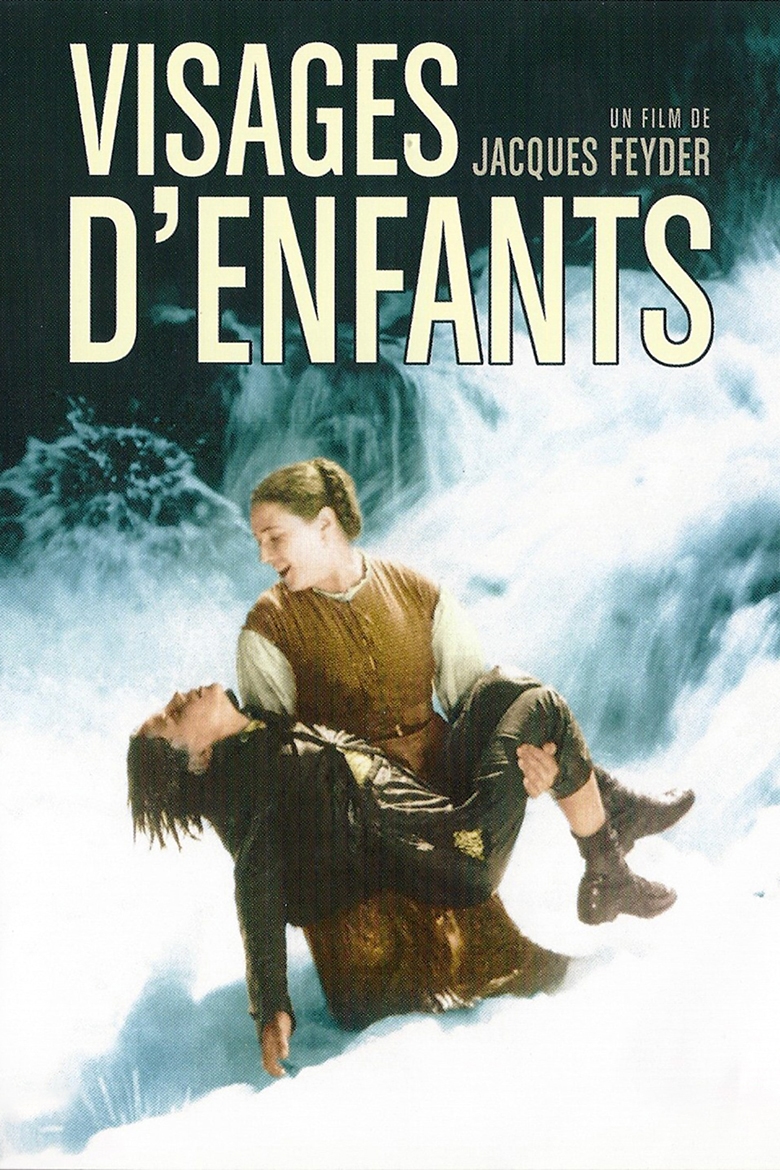
If you’ve heard the name Jacques Feyder but never seen any of his films, Visages d’enfants is a prime place to start. A beautiful example of simple and direct storytelling done with more technique than you’d expect for a film from 1925, it demonstrates what a master Feyder was, particularly of the language of film – in fact he’s creating some of it as this film is running through his camera’s sprockets.
The title translates into English as either Mother or Faces of Children and that difference of emphasis sums up the plot. A young boy is orphaned and his father remarries – how does little Jean fit in now, with the new mother and her daughter as part of the household? It’s a wicked stepmother story, or at least that’s the tension holding the film together. Is Jeanne Dutois really a wicked stepmother, or has Jean just got it all wrong? Are we with the mother or the kid?
It’s an unusually psychologically driven story for a film from the silent era – right down to the names Jean/Jeanne being so similar. But if that aspect of it doesn’t grab you there is Feyder’s eye for a beautiful composition – classically on the thirds. And his editing, which is zippy, dynamic and juxtapositional. At one moment we’re with dad Pierre celebrating his new marriage to Jeanne. Cut to Jean miserably raking up straw in a field and and being told by a priest what’s going on back home while he’s safely out of the way.
Feyder is also shooting in the Alps and he fills his film with lots of detail – cattle on the hills, the distinctive style of alpine houses, big loaves of chewy bread, rustic woollen clothes and chunky wooden pails.
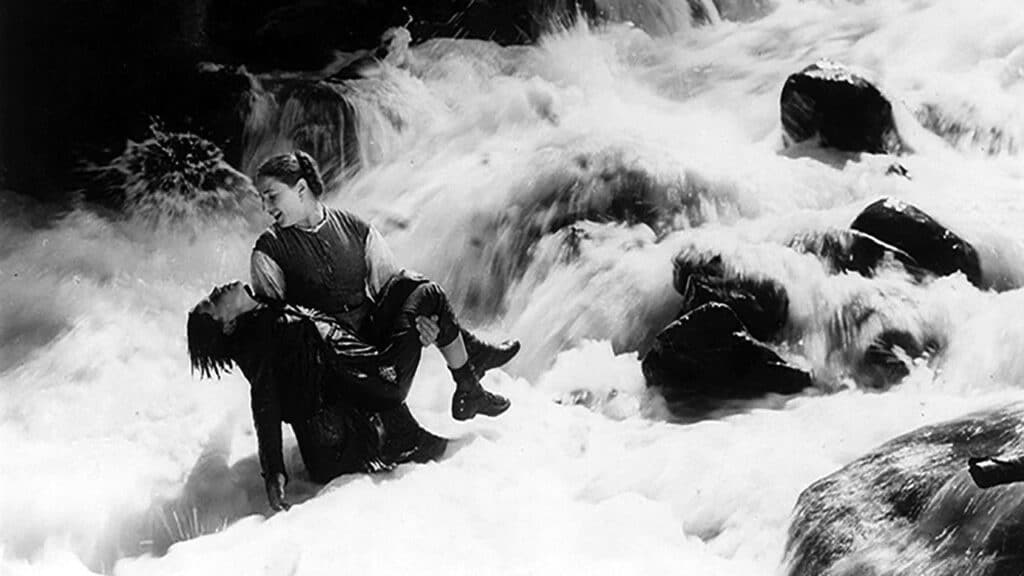
There are not many intertitles to distract and yet Feyder manages to work up a plot that’s emotionally intricate and fraught. In spite of all signs to the contrary, Jean becomes increasingly exercised about the new marriage and his own demotion – as he sees it – and comes increasingly to resent his new stepsister, Arlette. Eventually he comes up with a plan to do away with her, or at least do her some damage, by luring her out into the wintry night to look for a lost doll.
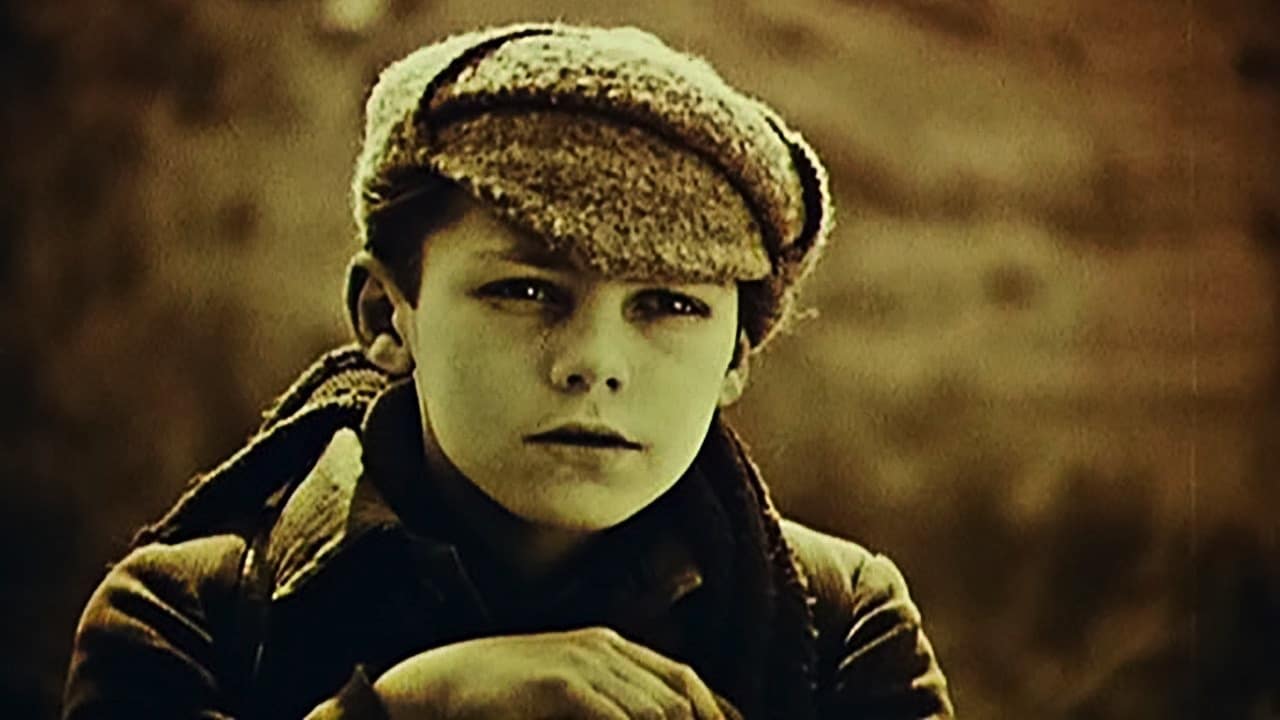
Jean’s exact intentions are left deliberately ambiguous, forcing the audience to lean in to the subtle and yet dramatic performance by Jean Forest as young Jean. Maybe 12 years old when this was made, he’s a real standout.
But so is the cinematography by Léonce-Henri Burel, who at one point shoots an avalanche from the avalanche’s point of view (!), at another films a night scene, the light of the villagers’ flaming torches bouncing off the snow as they search for the missing girl seeming to provide the only illumination (which seems unlikely given film stocks of that era but maybe Burel somehow managed it).
The original negative was only re-discovered in the 1980s and today, if you’re watching it, it’s most likely a version taken from the 1993 restoration, which is good but not up to the standards of the digital era. Sometimes the image bleaches out a bit, particularly those wide alpine compositions of Feyder and Burel. Another restoration would do this film a big favour.
The score is by Antonio Coppola, composer uncle of Francis Ford, and he manages to be both faithful to the idea of silent movie music and also lyrical and expressive on his own terms.
It’s a great movie, technically ahead of its time, particularly in its use of editing – though there are some special effects moments too – and really gets beyond the surface to suggest levels of character complexity. It stands up brilliantly well today.
Visages d’enfants – Watch it/buy it at Amazon
I am an Amazon affiliate
© Steve Morrissey 2025