Mara

Kate investigates

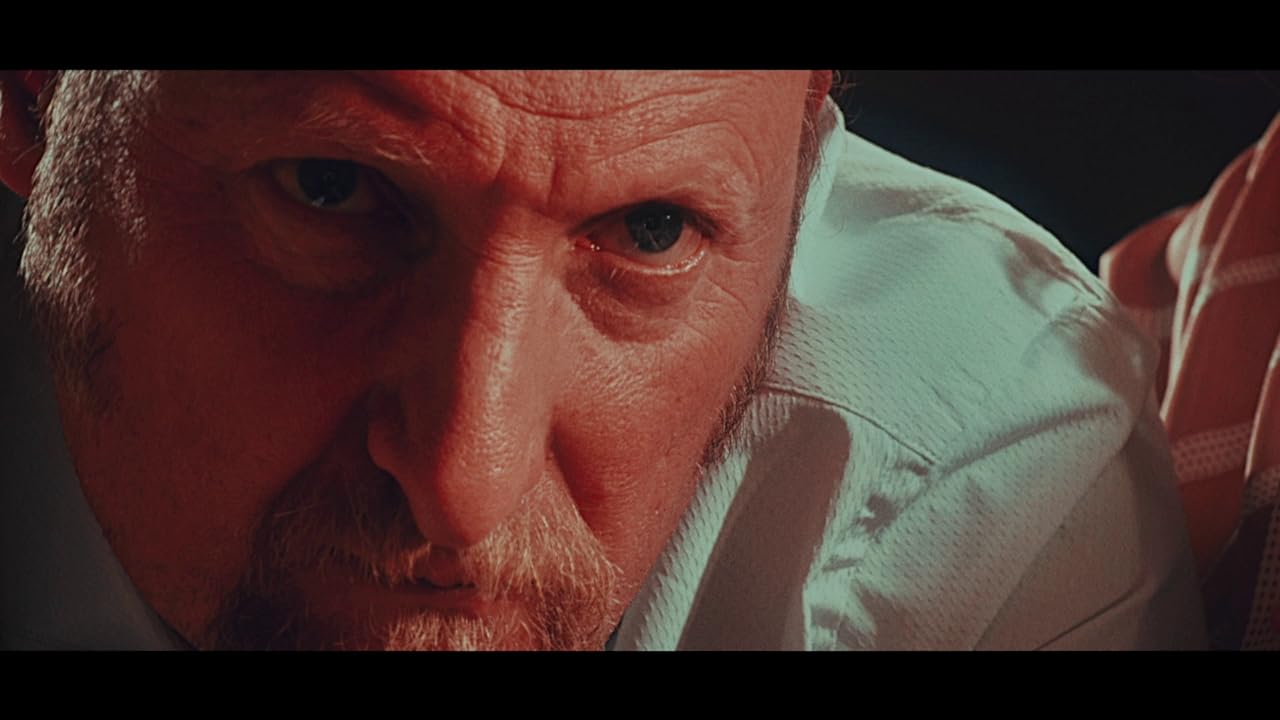
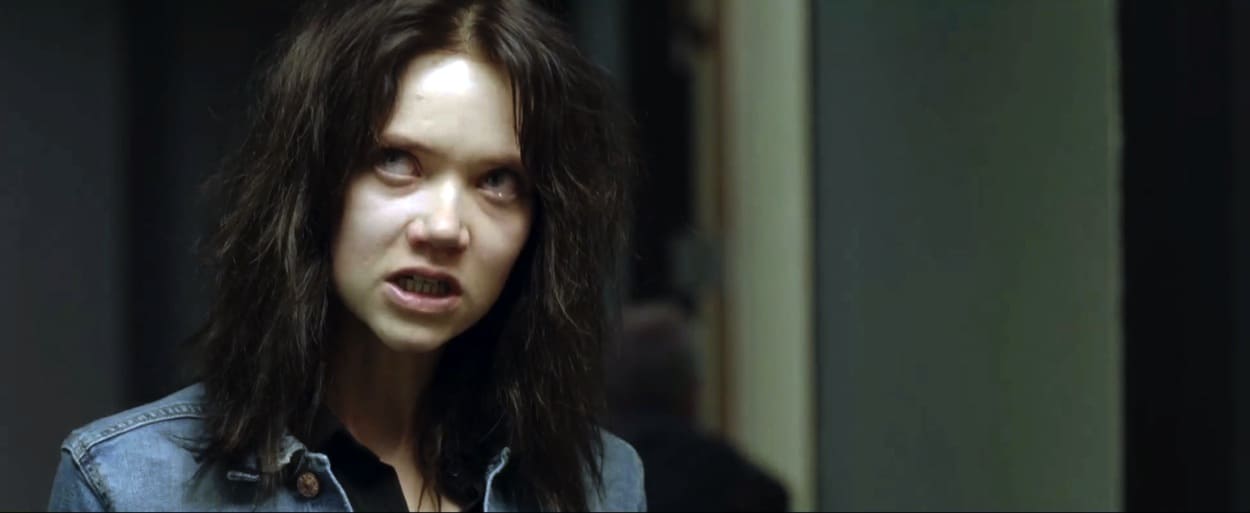
“Over 40% of the world’s population suffer from sleep paralysis,” the written preamble to Mara informs us, before going on with: “Two thirds of them describe being attacked by a demonic entity.” These fanciful statistics delivered, director Clive Tonge (who presumably wrote this nonsense with co-writer Jonathan Frank) gets his movie underway. It is, you won’t be surprised to discover, a horror movie about demonic entities – just the one, in fact – who visit people in the night and pin them to the mattress while they lie in bed asleep, or are frozen in fear half awake while all this is going on. The star is Olga Kurylenko, who plays a forensic … Read more

Eastern Plays

Saadet Isil Aksoy as Isil

What has a guy got to do to stay noticed? Take Bulgarian director Kamen Kalev’s 2009 feature debut Eastern Plays. It got good reviews (Variety called it “an impressive debut”), went to Cannes and won a clutch of awards on the festival circuit. But Kalev has made only three films in the intervening 15 years and his latest, 2020’s Février (aka February), is currently sitting on the IMDb with no reviews whatsoever to its name. On the evidence of Eastern Plays, which is the only one of Kalev’s films I’ve seen, this is grossly unfair. This is an extraordinarily accomplished film, full of visual style, and loaded with a vivid punk energy and … Read more

Sometimes I Think About Dying

Fran's fantasy of being dead on a beach

Can we agree that the casting of Daisy Ridley in the Star Wars reboot was one of the best right calls ever made? My preferences established, can we all also agree that her non-Star Wars choices have often been less than stellar? On to Sometimes I Think About Dying, a reminder of why she was chosen for The Force Awakens and how good she can be with the right material. In flat grey Oregon, flat grey Fran (Ridley) lives a mouselike existence, creeping every day into her desk job in a run-of-the-mill office, creeping home again after work for a dinner consisting of cottage cheese before settling down for the evening with a … Read more

Que la Bête Meure aka This Man Must Die

Hélène and Charles

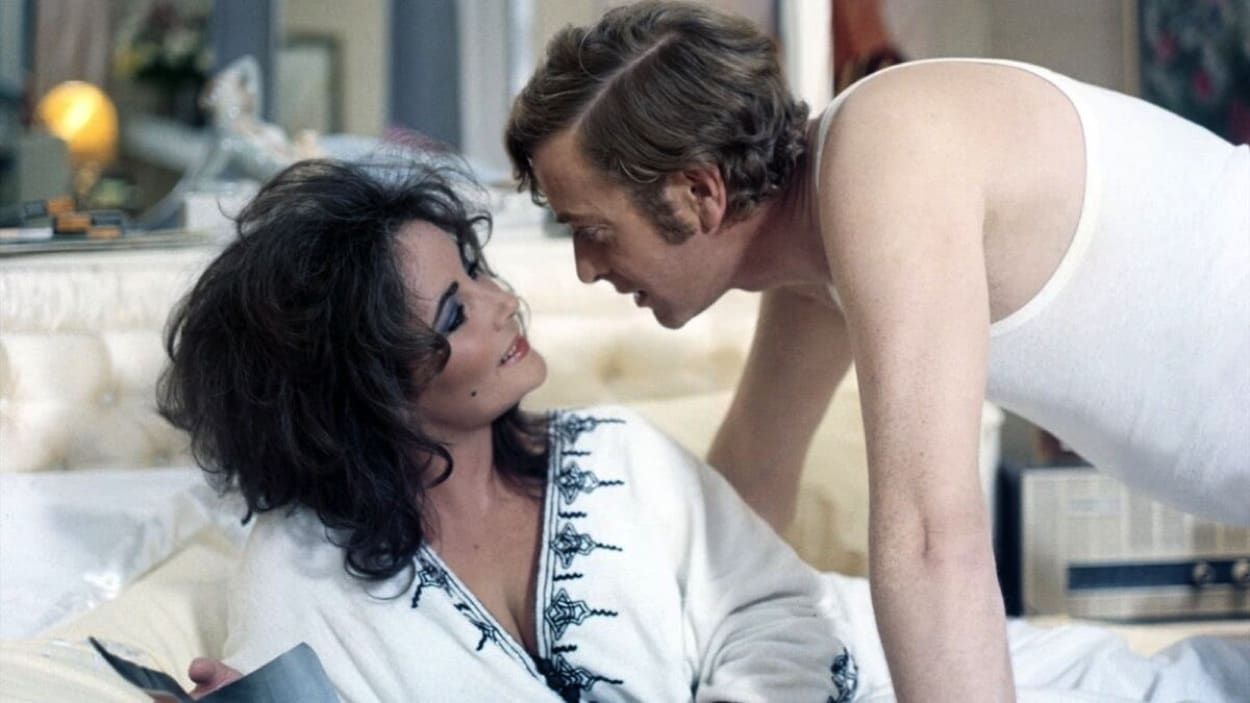
Writing poetry doesn’t pay very well and so in the 1930s Cecil Day Lewis, father of Daniel, started writing detective fiction on the side. The Beast Must Die was his fourth crime novel. Translated literally into the French, it gave Claude Chabrol the title of his unusual 1969 thriller, Que la Bête Meure, which in English usually goes by This Man Must Die, and even sometimes Killer! As titles go all three are good penny-dreadful shockers but the film is anything but, even though it starts with the death of a child mown down by a car going recklessly fast and continues with the father’s quest to find and kill the driver. Michel … Read more

The Teachers’ Lounge

Clara Nowak loses her cool

Instructive but not didactic – and also as tense as hell – The Teachers’ Lounge (Das Lehrerzimmer) takes a fairly simple situation and not only escalates it but pushes it out in all directions. Good guys and bad guys are there none, or not, at least, any that we can quite get a glove on. We’re in a German school where someone has been stealing stuff from the staff room. It’s one of the kids, is the feeling, since what adult would do such a thing? As the action opens Clara Nowak, an idealistic new teacher, is trying to prevent her class of kids from being physically searched. She’s unsuccessful and the search does … Read more

Les Espions aka The Spies

Gérard Séty as Dr Malic

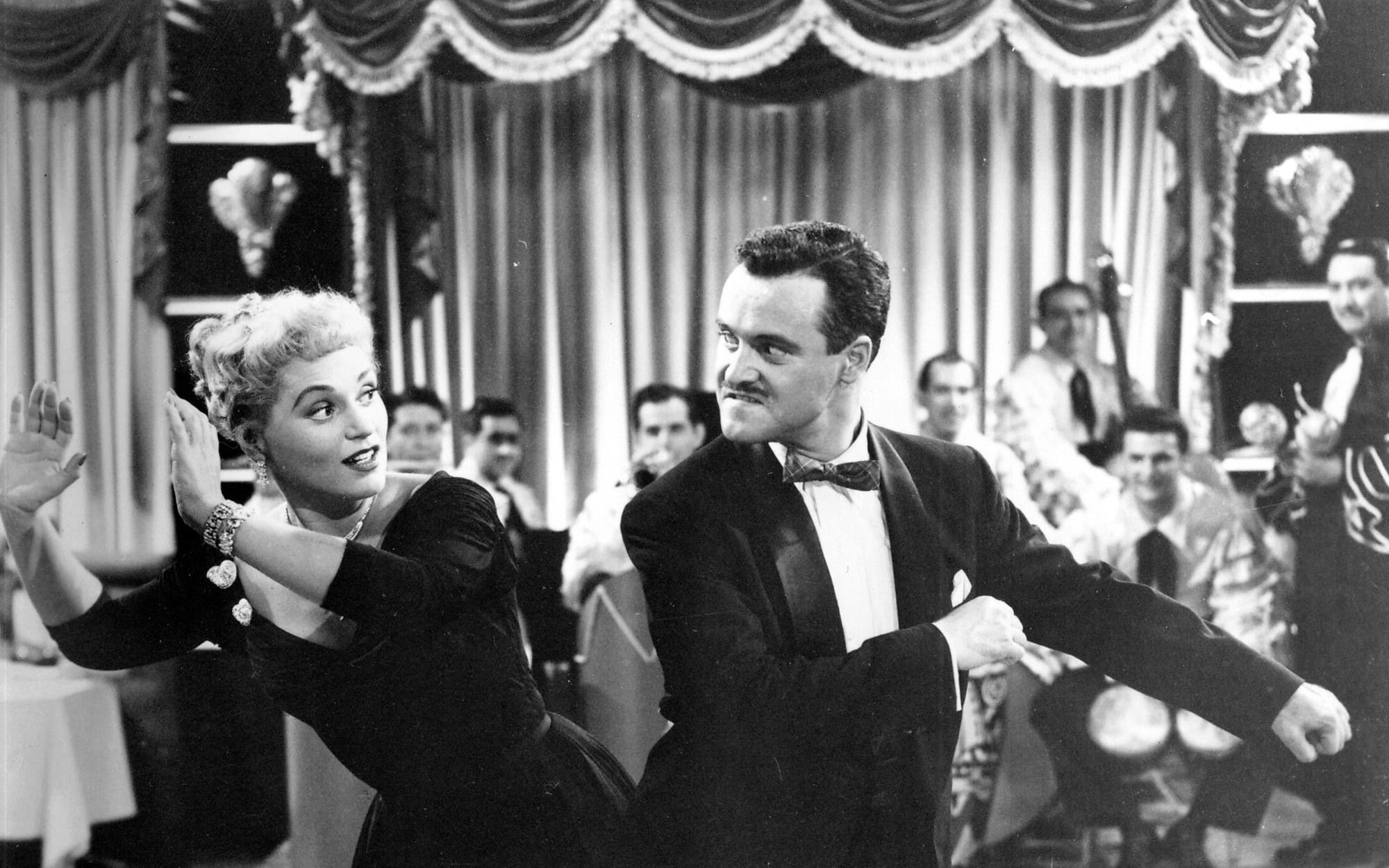
Alfred Hitchcock and Henri-Georges Clouzot spent the 1950s casting directorial glances of mutual admiration at each other. Les Espions (The Spies in English) is Clouzot’s most overt homage to one of Hitchcock’s amused thrillers… and he gets it completely wrong. A non-thrilling thriller crossed with a non-funny comedy is the result. Gérard Séty plays the Hitchcockian innocent abroad, a shrink running a struggling private psychiatric clinic who is asked by an American agent to hide a spy on the run in return for a big wedge of cash. The Americans have chosen this place, it seems, because no one will think to look for an escaped spy in an asylum. Also, as a … Read more

Dune: Part Two

Close-up of Paul

Let’s get straight to the verdict. Dune: Part Two is visually spectacular but dramatically inert, the good stuff attributable to its remarkable director Denis Villeneuve, the bad stuff down to the writer of the original novel/doorstop, Frank Herbert. This is not going to be how everyone sees it, of course, what sort of a world would that be? But if you’re one of the people who picked up Herbert’s original Dune at some point only eventually to put/fling it down again after tiring of the relentless one-thing-after-anotherness of it (see also Tolkien) the movie won’t offer much that the book didn’t, its retina-cleansing visuals to one side. It picks up right where Part … Read more

Space Is the Place

Close up of Sun Ra

Without Space Is the Place no Black Panther? Afrofuturism on screen pretty much starts with this cosmic freak-out from Sun Ra. Made in 1972, released in 1974, Space Is the Place sets out an alternative agenda for black Americans, suggesting an imaginative future of sci-fi possibility unconstrained by the daily grind of the street hustle. The film builds theoretically out from Ra’s series of Berkeley lectures titled The Black Man in the Cosmos. With sci-fi and white guys inevitable bedfellows at the time, Ra’s lectures about the place of black people in modernity had seemed like missives from an alternate reality (actually, the future, it turned out). His film sets out with the … Read more

Fallen Leaves

Ansa and Holoppa in the cinema

Aki Kaurismäki tantalises us with Fallen Leaves (Kuolleet Lehdet). Is it going to be a Sleeping Beauty story about a princess saved by a kiss? Or is it the more downbeat but emotion-choked tale of two ships that pass in the night, a Finnish Brief Encounter? Kaurismäki references both, one way or another, as he spins out a typically deadpan, typically miserablist and typically gripping story of love among the “fallen leaves”, a pair of midlife McJobbers who could find happiness with each other if only they could connect up in the first place. That’s his story. To tell it, two great actors. Alma Pöysti as Ansa, a supermarket worker who is fired … Read more

L’Année des Méduses aka Year of the Jellyfish

Romain and Chris

Sex as war. Breasts as breastplates. 1984’s L’Année des Méduses translates literally as Year of the Medusas but is usually rendered more tamely and less aptly in English as Year of the Jellyfish. Director Christopher Frank (who also wrote the book) sets out his stall straight away. A shot of two cocktails in tall glasses is quickly superceded by the bare breasts of the young woman who ordered them. We’re in the South of France, where a mother and daughter are holidaying on one of those beaches that give the more puritanical mind the heebie-jeebies. All the women are topless and everyone is carrying on as if it means nothing at all. But … Read more