See This
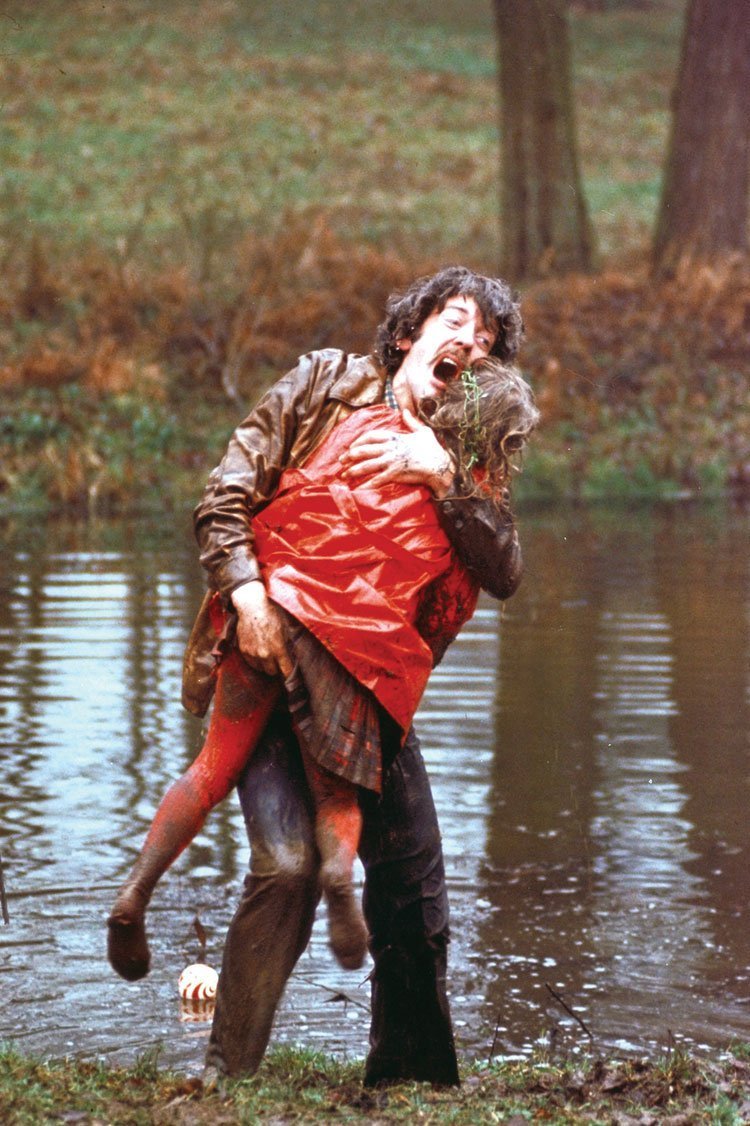
Don’t Look Now
It seems an odd thing to say, but most films aren’t really that cinematic. Most films, you could close your eyes and follow them. Not so with Nicolas Roeg’s “arthouse horror”. Close your eyes and you’re lost. In fact, even with your eyes open, all is not as it appears. Take the infamous love-making scene played out between grieving parents Donald Sutherland and Julie Christie. It’s not the “were they doing it for real” question that marks it out as significant but the fact that Roeg keeps intercutting this ultimate example of living in the now with scenes from a few minutes later – when the duo are absent-mindedly getting dressed, ready to … Read more
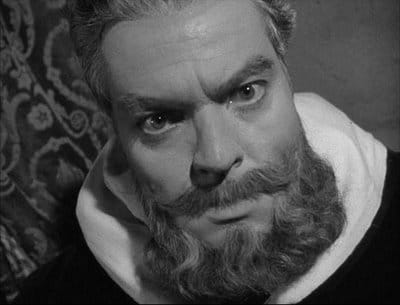
Confidential Report
The prevailing wisdom on Orson Welles has changed in recent years. It used to be: “Poor Orson, his masterpieces (such as The Magnificent Ambersons, It’s All True, The Lady from Shanghai ) butchered by the studios”. Now it’s: “Lazy Orson, got most of the way through a film and then lost interest”. Certainly Welles subscribed to the former view, and broadcast it widely wherever he went in Europe during his exile (or extended flake-out, take your pick). Confidential Report fuels the debate. A shadow of both his masterpiece, Citizen Kane, and Carol Reed’s The Third Man (in which Welles played the similarly gnomic Harry Lime), the film jumps around the world excavating the … Read more
Almost Famous
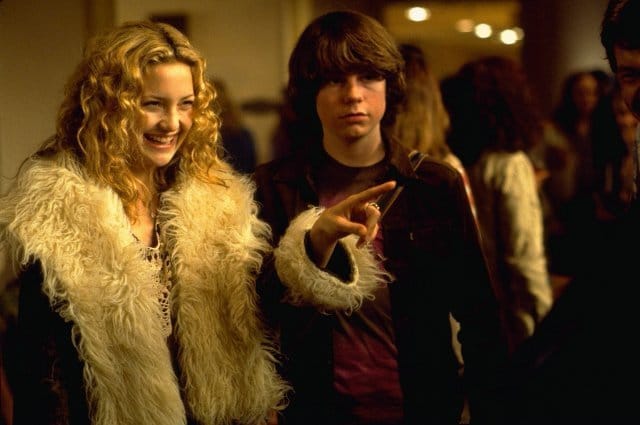
Almost Famous follows teenage Rolling Stone wannabe William Miller (Patrick Fugit) on his trek across America as he tries to get an interview with Stillwater, a band on the verge of making it. Abba: The Movie has the same plot, but it misses out on the groupies, including “band aid” Penny Lane (the perfect Kate Hudson), the drugs (when going out to dinner was a knife, fork and stomach-pump affair), and the passive-aggressive one-upmanship of cool (“So I boned your lady. You don’t own her, maaaan” etc). Given these elements, Almost Famous could easily have been Spinal Tap, but for director Cameron Crowe’s dribbly-nosed affection for the era and its music – Yes, … Read more
Galaxy Quest
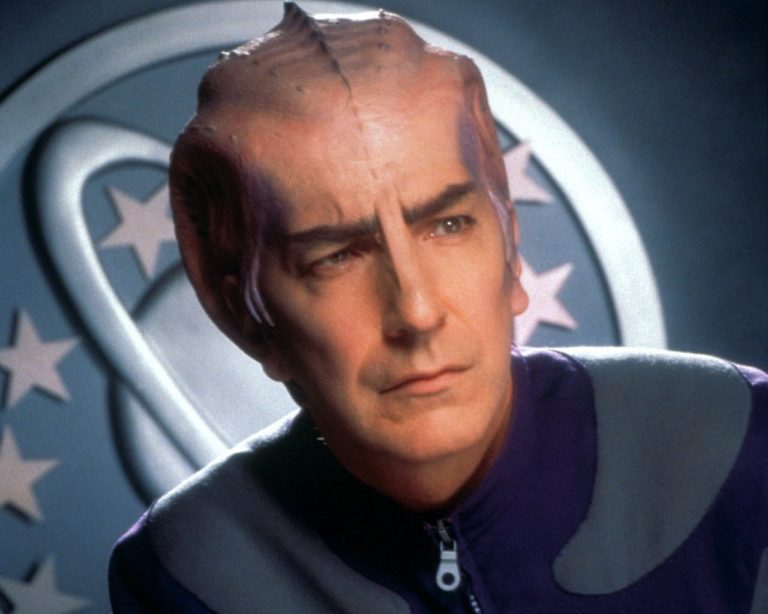
Turn on TV most nights and there’s some Star Trek spin-off boldly heading off somewhere. In it are actors you’ve never seen before and will possibly never see in anything else again. As coloured latex hangs off various bits of various faces they strike heroic poses and over-earnestly deliver lines from rehashes of scenarios that were tired in the Sixties. Galaxy Quest knows those shows and those actors. It follows a past-it sci-fi cast as they do the convention circuit, signing books for the geeks they despise, bickering among themselves, boring anyone who’ll listen with stories of antique Shakespearean glory. Then, gasp, a bunch of real aliens turn up, expecting not crummy autographs, … Read more
Oliver Twist
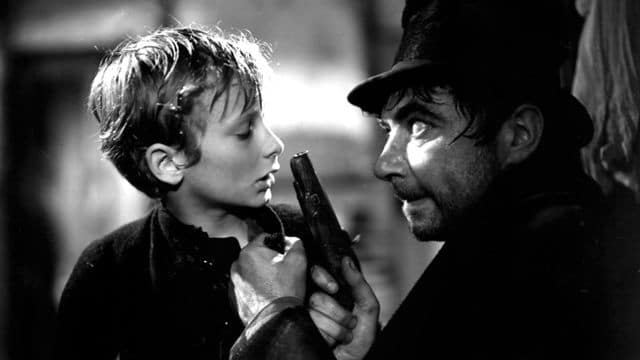
The sort of film that most of us have slept through a few times. No, not the one with “Consider Yourself” and all those other fabulous Lionel Bart songs. Instead, it’s the David Lean version of Dickens’s story of a nice young lad all at sea in bad old London, completely song-free and freighted with baggage – Alec Guinness’s Semitic schnozz for starters, his wheedling manner for another – as thiefmaster Fagin. But beneath Fagin’s hard shell and stereotyped Jewish image (based on the Cruickshank drawings, that’s Lean’s and Guinness’s defence) there beats a heart of gold, while around him operates his gang of reasonably well-cared-for ne’er-do-well pickpockets. It’s Robert Newton’s Bill Sykes who’s … Read more
Le Procès aka The Trial
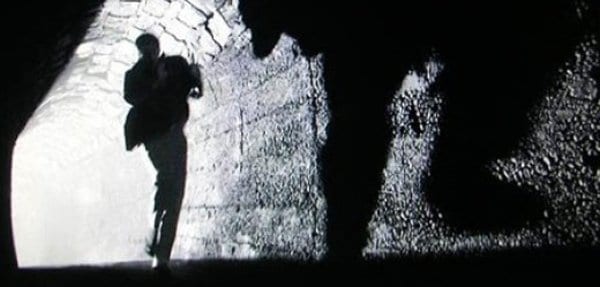
An arch bullshitter of the first water, Orson Welles fell on Franz Kafka’s The Trial like he fell on everything – mountainously. Kafka’s is a simple story – about Joseph K, a man arrested for an unspecified crime, who is taken through a legal process, all the way protesting he’s innocent. Is he? We can never tell, since the narrator is K himself and it’s impossible to work out if he’s lying or not, though he does increasingly come across as a shifty piece of work. Not unlike the artful Mr Welles, who protested to the end of his days that Hollywood had found him guilty of an unspecified crime and had banished … Read more
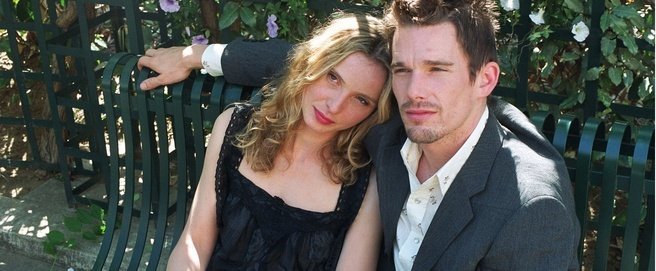
Before Sunset
This 2004 follow-up to Richard Linlater’s 1995 Before Sunrise is a first-date movie for people who fancy themselves as having more going on upstairs. But grey matter to one side, do you need to have seen the first film to enjoy the second? Probably not, though it helps to know that in Before Sunrise Ethan Hawke had fulfilled every heterosexual male InterRailer’s wildest fantasy – by meeting the stomach-churningly beautiful, witty and, very important, French Julie Delpy on a train and having a night of flirtatious intellectual chat and wild adventure with her. By the end of Before Sunrise both parties are agreed – it’s love and they are absolutely definitely going to … Read more
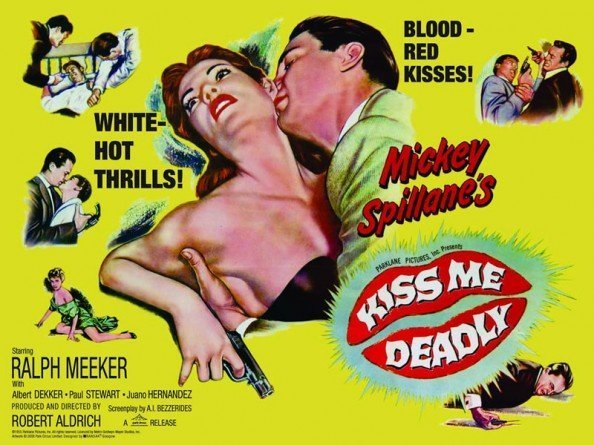
Kiss Me Deadly
Critics continue to argue over whether this is the best film noir ever made but all seem united on one point – Kiss Me Deadly is the best adaptation of one of Mickey Spillane’s Mike Hammer novels. Now 50 years old, the film opens with a scene that still packs a punch – cynical private eye Mike Hammer picks up a girl hitchhiker who is wearing only a mac. Within minutes his car has been run off the road and a brutal gang is torturing the girl before killing her. The stage is set for Hammer, one of cinema’s great anti-heroes, to become avenging angel, visiting bad men in places high and low … Read more
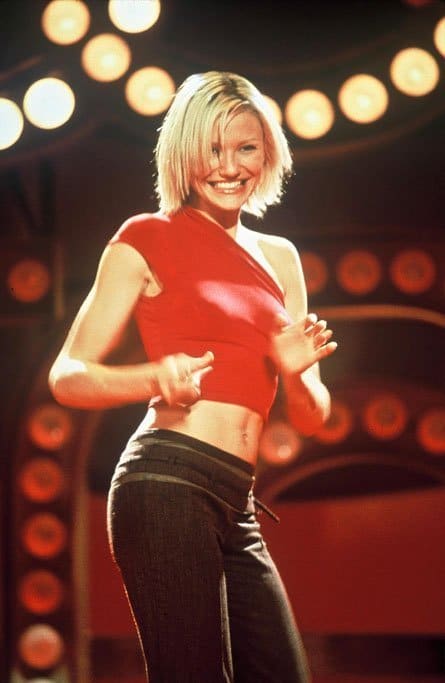
Charlie’s Angels
Good god this film got some bad negative publicity when it came out. I’m really not sure why. Of course it’s not Ingmar Bergman, but it’s not trying to be. What it is trying to be is a light and frothy, giddy and bubbly pastiche of the Seventies adventure series – which was the TV equivalent of that poster of the tennis woman scratching her bum. Perhaps naysayers were all still carrying a torch for Farrah Fawcett, the star of the original who left after one season to parlay her TV fame into a cinematic career. That didn’t work too well for her. Taking the Farrah role in McG’s film (perhaps the naysayers … Read more
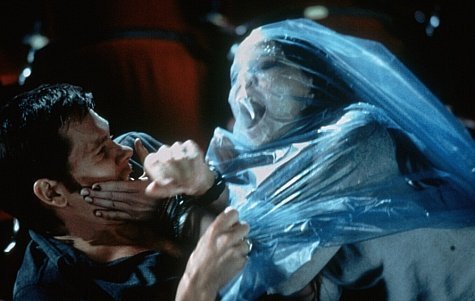
Stir of Echoes
Somewhere around 1984 it seemed that Kevin Bacon might become a matinee idol, a prettyboy star. But he had a few things going against him. The name Kevin, for instance. Not to mention Bacon. After starring in Footloose, he went through film after film pitching his voice low, his face looking like the site of some vague plastic surgery mishap. He had the odd hit, such as Tremors, but for the most part he became a support player in bigger films, JFK and The River Wild and Apollo 13, in which he played the benighted astronaut not played by Tom Hanks or Bill Paxton. Bacon became, in fact, a perennial “nearly” man, the … Read more
Snow White and the Seven Dwarfs
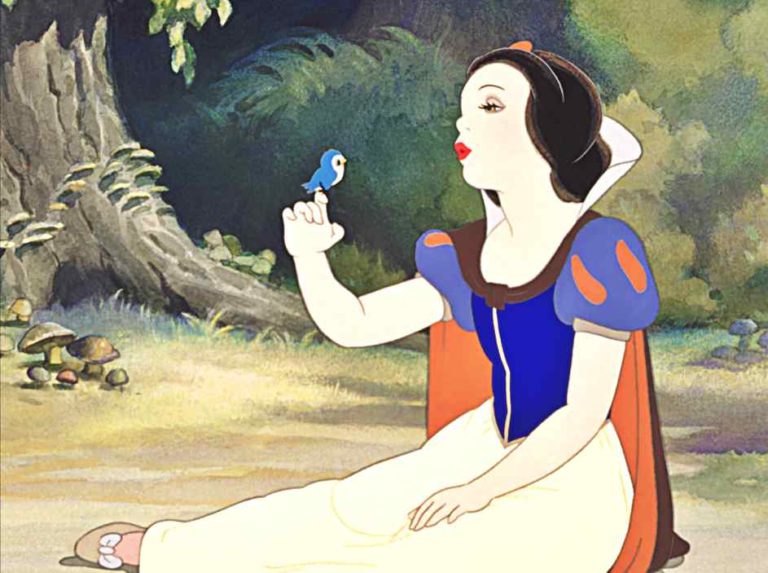
David Hand? Look at the credits and you’ll see the name down as the director, one among quite a few, depending on where you’re looking. Such is the grip of the “director as auteur” notion on modern thinking that everyone – from the IMDB down – feels obliged to list the director first, as if theirs were always the guiding hand. Which is a long-winded way of saying that Snow White is a Walt Disney film. He might not have directed any of it but he directed the people who did. And, in the days when we’re meant to marvel at the computer-generated output of Pixar and the like, how much more amazing to … Read more
The Tailor of Panama
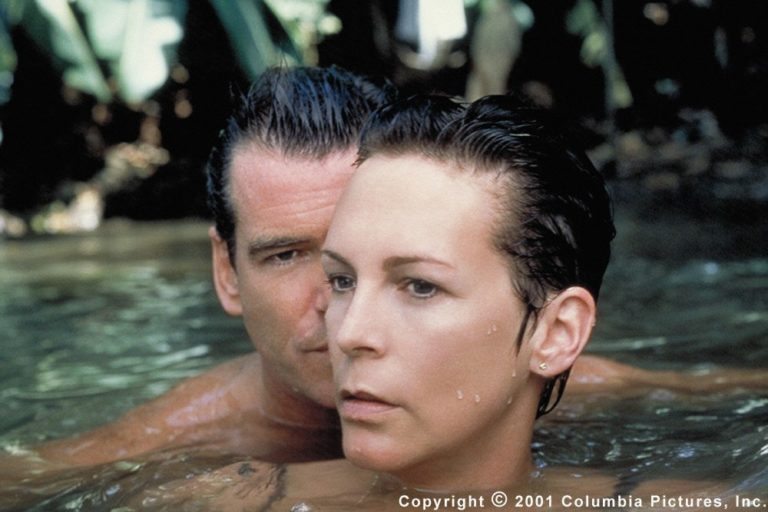
Between Bond movies The World Is Not Enough and Die Another Day, busy Pierce Brosnan managed to fit in two other projects. One of them was this adaptation of a John Le Carre story about a downmarket spy (Brosnan) in Central America who uses a sweatily nervous tailor (the unimpeachable Geoffrey Rush) to gain access to the local generals, his object: to sell them all manner of dodgy information designed to destabilise the country. It may say Le Carre on the tin but there’s the definite feeling we’re in Graham Greene country here, the atmopshere of mosquito netting, insanitary plumbing and lousy tea all being typical Greene touches. Adding suitably weird supporting performances … Read more