Dracula

Mina and the Count

Persistently undead, always on point, it takes more than a stake and some garlic to keep the Carpathian count in his box. This Dracula is one of several outings for the thirsty aristocrat and pretenders to his crown in recent years. As well as a recent Nosferatu, other high-profile entries on a long list include The Last Voyage of the Demeter and Renfield, not forgetting El Conde, The Vourdalak, Day Shift and Humanist Vampire Seeking Consenting Suicidal Person. In 2025 alone there were two movies called Dracula. This one, by Luc Besson – also known as Dracula: A Love Tale – and Radu Jude’s starkly mononymic Dracula. No surname required. To be honest, … Read more

Dracula

Close up of Dracula's face

“Listen to them. The children of the night. What music they make.” Hollywood horror starts here, with 1931’s Dracula. Directed by Tod Browning, it made an international star of the man who uttered those words, Bela Lugosi. He’d already become a huge Broadway star off the back of a stage adaptation of Bram Stoker’s novel. This film would propel him onto the global stage, and into posterity. The film sticks fairly close to the play, which sticks fairly close to the book. There have been trims in characters and settings but most of the original plot is intact as Browning’s version of it follows Dracula from his ancestral home in Transylvania, on to … Read more

The Last Voyage of the Demeter

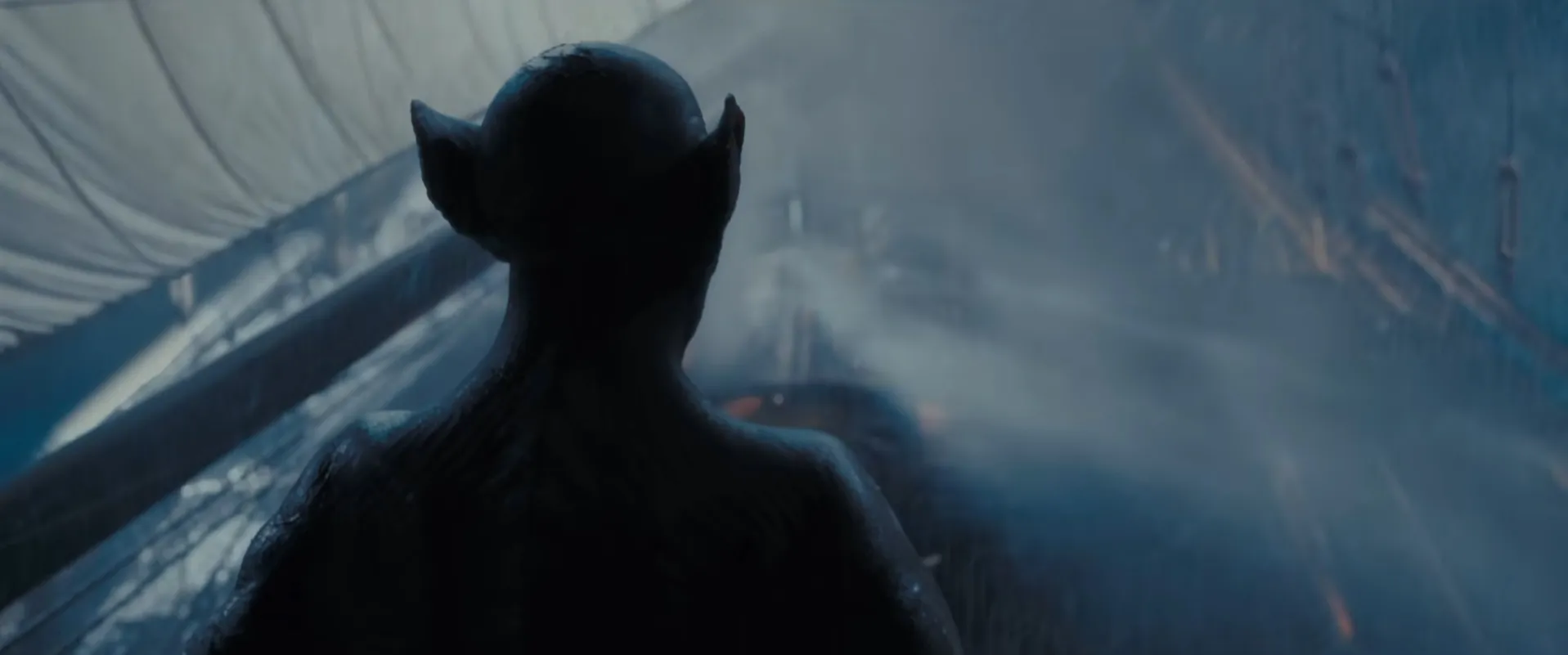
Dracula from behind in silhouette

The Last Voyage of the Demeter lifts a chapter from Bram Stoker’s Dracula and turns it into a standalone story. Ambitious enough. If you haven’t read it, it’s a dark, storm-tossed episode told through the captain’s log of the doomed vessel the Demeter, a cargo ship which sails from Varna in Bulgaria, laden with boxes containing Transylvanian earth – plus one containing Dracula himself – destination London. By the time the ship reaches the UK, everyone on board is dead, having been sucked dry on successive nights by the Count. Spoiler? Yes, except the film gives us this grim conclusion right up front – a ship wrecked off the coast of Whitby and … Read more

House of Darkness

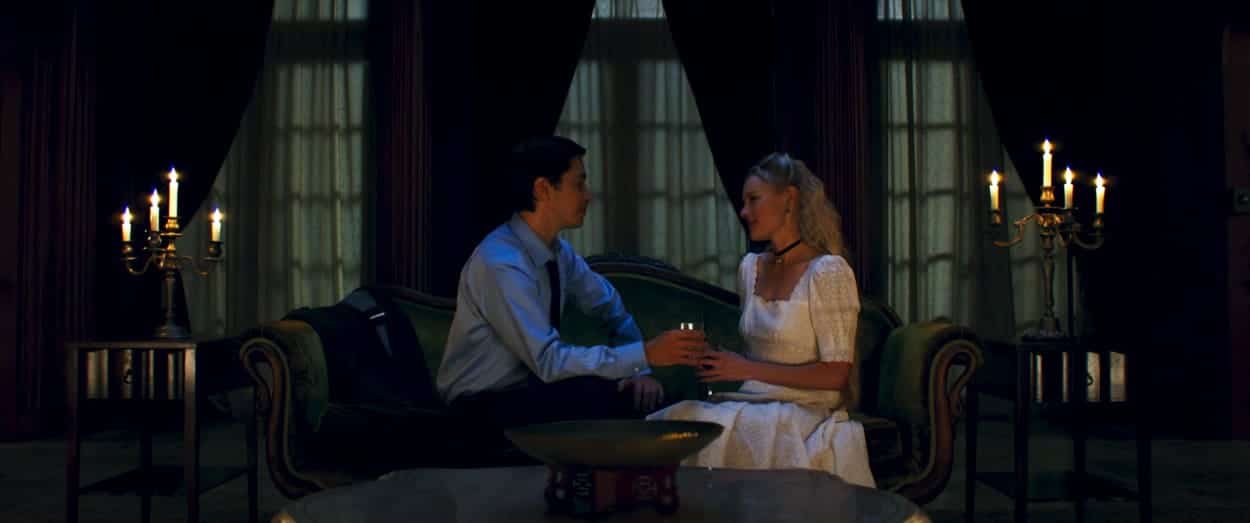
Hap and Mina sitting together

Neil LaBute made his name first as a playwright then as a film-maker interested in exploring the codes of masculinity, some suddenly toxic, some still holding up OK(ish), in a culture that seemed to have moved on faster than some men were able to. In the Company of Men (1997) and Your Friends & Neighbours (1997) were his first two movies and are still sources of high-octane neat LaBute, if that’s what you’re after. He’s broadened his range and taken on gun-for-hire jobs in the interim but again and again returns to this same question of the male in trouble. Which brings us to House of Darkness, a tale of beta-male overreach enabled … Read more

Nosferatu

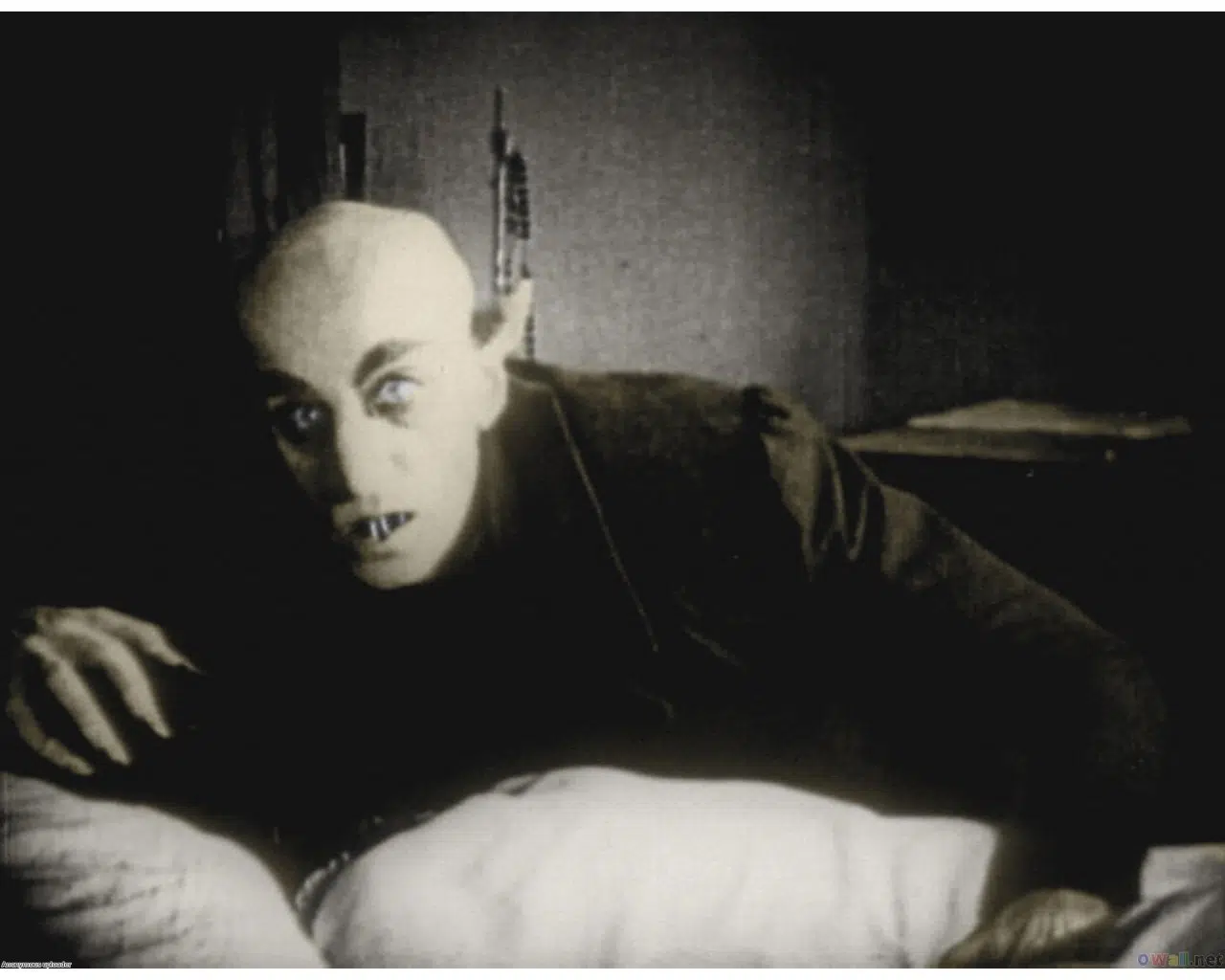
Max Schreck as Nosferatu

Murnau’s 1922 silent expressionist classic is one of defining moments in movie-making. It borrowed its story wholesale from Bram Stoker’s Dracula, gave it the lightest of resprays and hoped no one would notice the theft. Bram Stoker’s widow noticed and sued for breach of copyright, won the case and had all the prints of Nosferatu destroyed. But the film refused to die, and rose from the undead. Its star, who plays Count Orlok (aka Nosferatu), is one Max Schreck, “Schreck” being the German word for terror. Maximum Terror – and you thought modern Hollywood had a lock on this sort of thing. Adding to that in terms of myth-making, it was always rumoured that … Read more