Les Visiteurs du Soir

The "minstrels" ready to entertain

Because Marcel Carné made Les Visiteurs du Soir in Nazi-occupied France, and because it’s about a realm invaded by the The Devil’s Envoys (the English title), it’s often seen as allegorical. Carné denied it to the end of his life. But his film works perfectly well as an allegory as long as you stop there – the invasion bit. Go any further and the comparison will not hold. Set in a 15th-century France of doublet and hose and conical hats, it follows a couple of the devil’s representatives, who have been sent to Earth disguised as minstrels to create mayhem. Dominique (Arletty) and Gilles (Alain Cluny) arrive at the court of Baron Hugues … Read more
Le Jour Se Lève

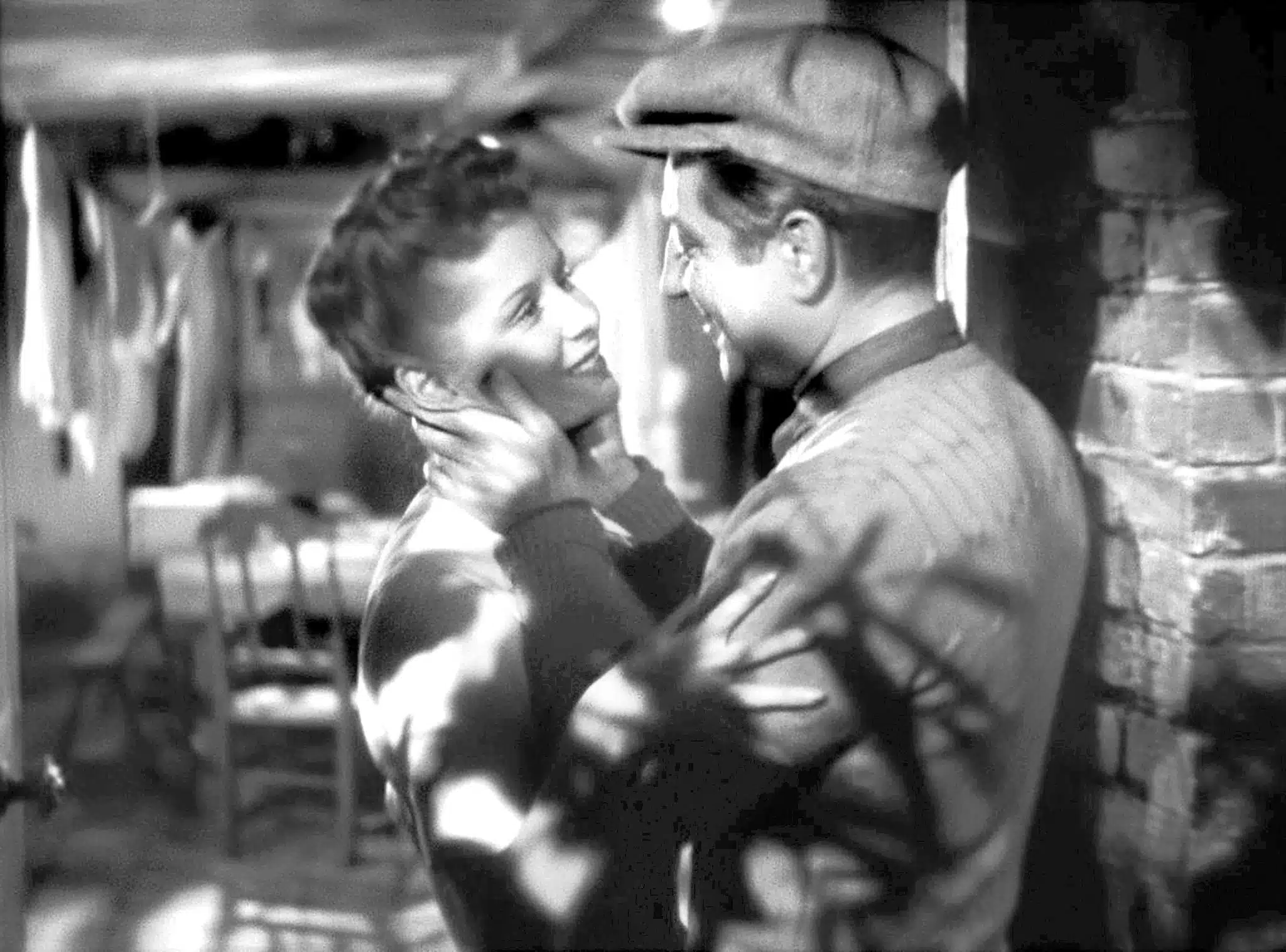
Françoise and François embrace

Le Jour Sè Leve is a prime example of a film in the doom-flecked “poetic realist” style which flourished in France before the Second World War and we’re lucky to have it at all. When RKO set out to remake it in 1947, as The Long Night, they bought up and destroyed all the prints they could find. But not all of them, obviously, because here we are. It didn’t go too well for the remake (the New York Times described the 1936 French original as “in every respect superior to this new job”) even with Henry Fonda in the key role, as the murderer reflecting alone in his room as night gradually … Read more

Le Crime de Monsieur Lange

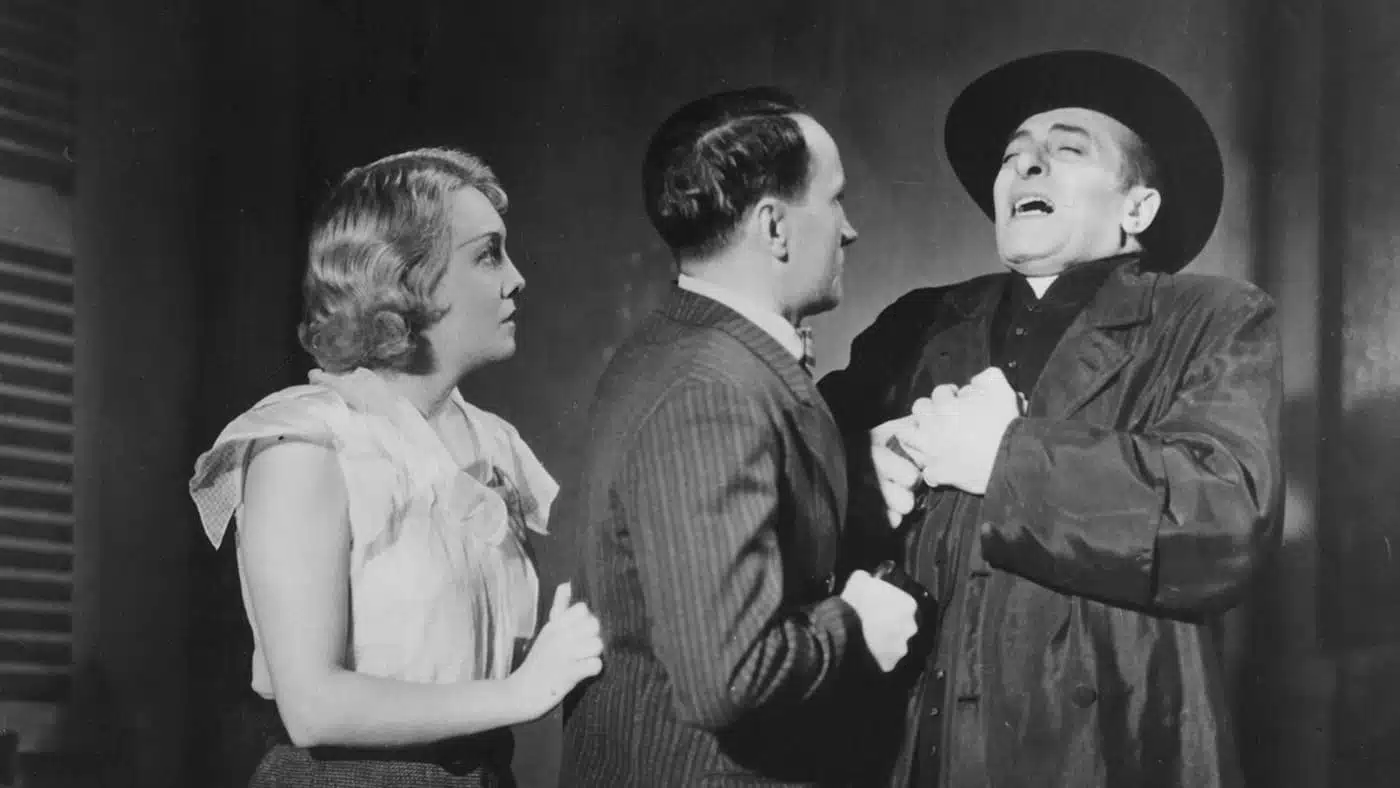
Valentine, Amédée and Batala

When talk turns to the greatest films of all time, Jean Renoir is usually in there. And when talk turns to Renoir, it’s La Règle du Jeu or La Grande Illusion which most often figure, with Boudu Saved from Drowning sometimes making an appearance. Le Crime de Monsieur Lange not so much. Made in 1936, the year before La Grande Illusion, it has been eclipsed by it in the decades since, though it’s a virtuoso piece of film-making with a remarkable camera, brilliant performances and a story that goes right against the grain. A man and a woman on the run turn up at a bar near the border begging for a room … Read more