I Walk Alone

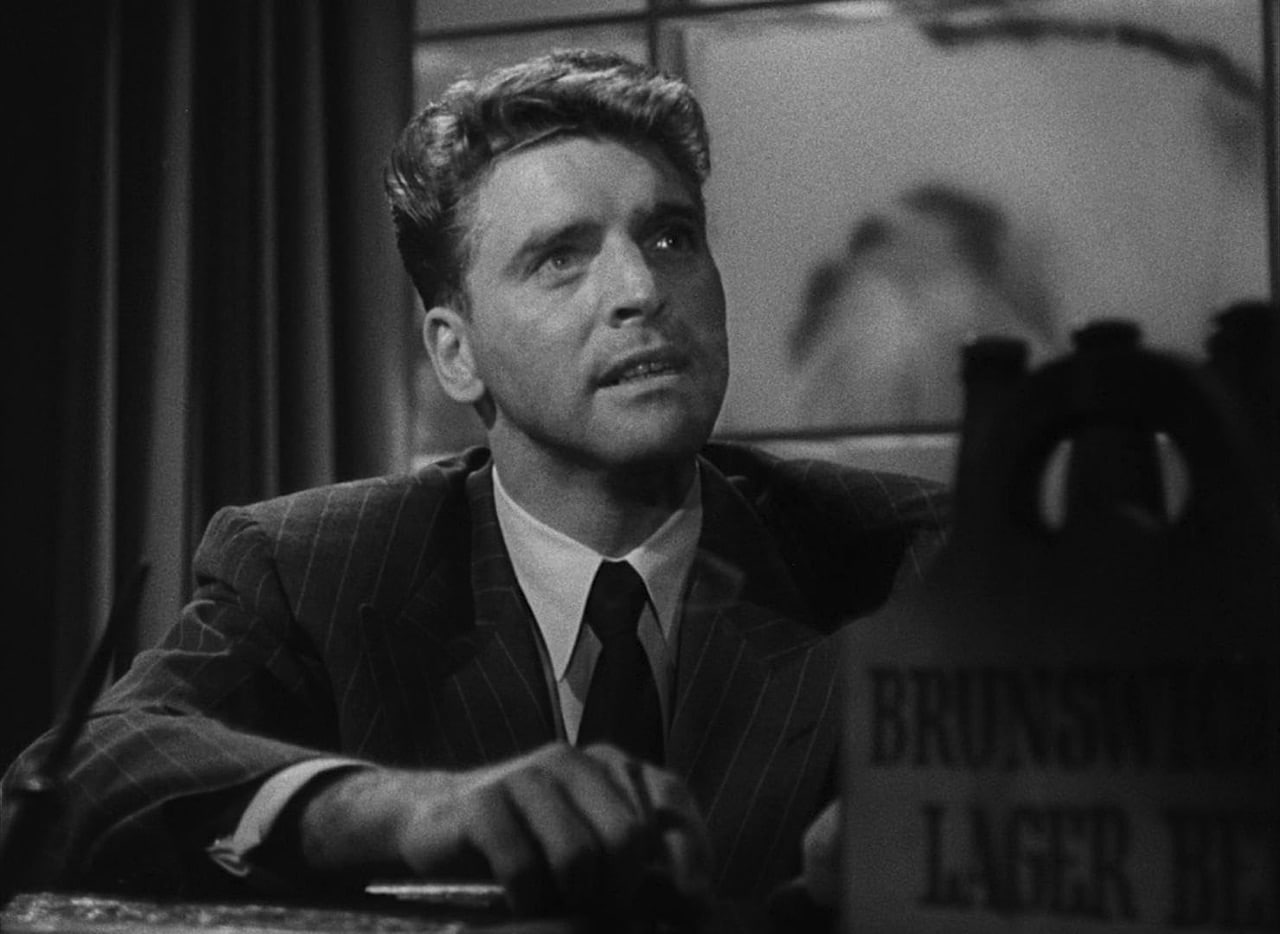
Burt Lancaster as Frankie

Big acting is the offer in I Walk Alone, the first of many teamings for Burt Lancaster and Kirk Douglas, and the first directorial effort by Byron Haskin, up till this point an effects guy. Haskin delivers nuanced, psychologically attuned drama while Lancaster and Douglas go at it like fighting dogs. The whole thing is great to watch and it’s easy to see why Scorsese is such a big fan (it marks a transition from one type of film-making to another, he says). The critics of the day were less enthusiastic. “Low grade of melodrama,” said the New York Times. “Dreary,” said the Chicago Tribune. Variety liked it, though. So let’s side with … Read more
Dead Reckoning

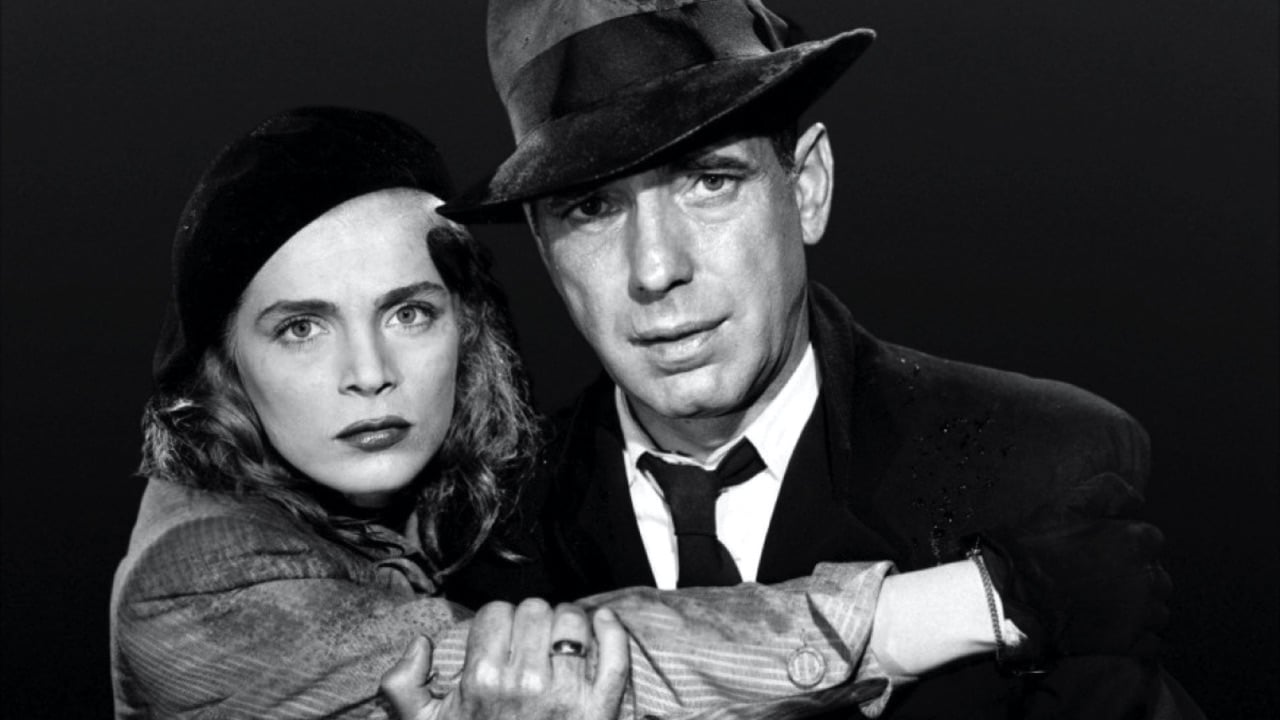
Lizabeth Scott and Humphrey Bogart stare straight into camera

Dead Reckoning cashes in on the Humphrey Bogart persona big time – a drawl and a rough and ready way with women but beneath it all a courtly gent with a thirst for truth. It was made in 1946 when peacetime mopping-up was the order of the day. War is over. Men are returning to where they came from. Things are going back to normal. Or that’s what’s meant to be happening, at any rate. As we meet Bogart’s Rip Murdock, he’s covered in blood, scared and on the run. If this is a reset then something has gone wrong. With plenty of voiceover from Bogart, and the useful shimmer of an extended … Read more

The Strange Love of Martha Ivers

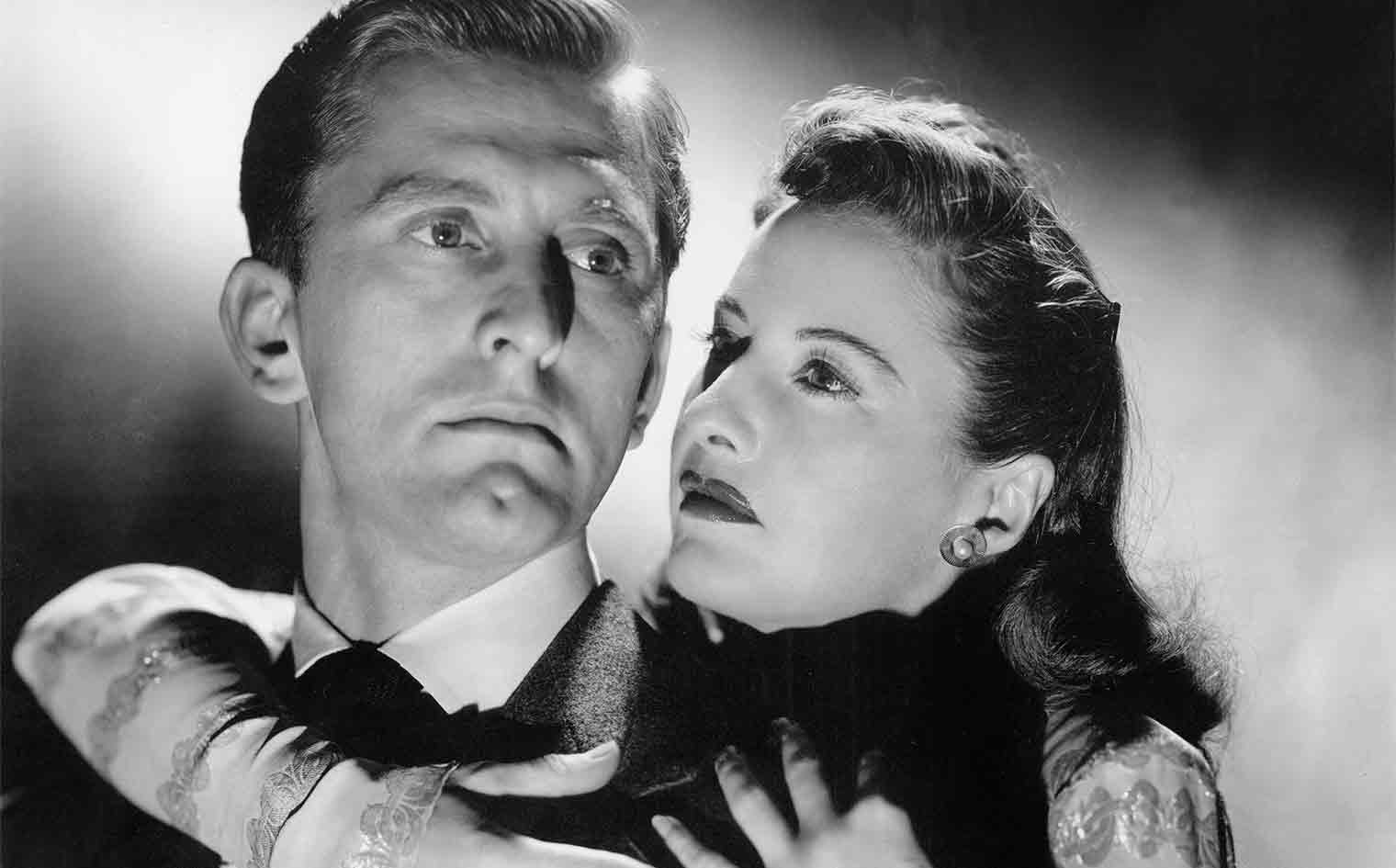
Kirk Douglas and Barbara Stanwyck

What exactly is so strange about the love of Martha Ivers in The Strange Love of Martha Ivers? Unfortunate, maybe? Random, perhaps? Convenient, possibly? Strange – not so much. But then that is this noirish, gothic 1946 melodrama all over, promising much and not quite delivering. It’s largely remembered these days as the film debut of Kirk Douglas, who plays the husband of Barbara Stanwyck’s Martha Ivers, whose birth name was Smith, by the way, and whose married name is O’Neil, and so isn’t really an Ivers at all. But before all of that, first a preamble brilliantly setting the scene for what’s to follow. A young Martha (played winningly by Janis Wilson) is … Read more

Too Late for Tears

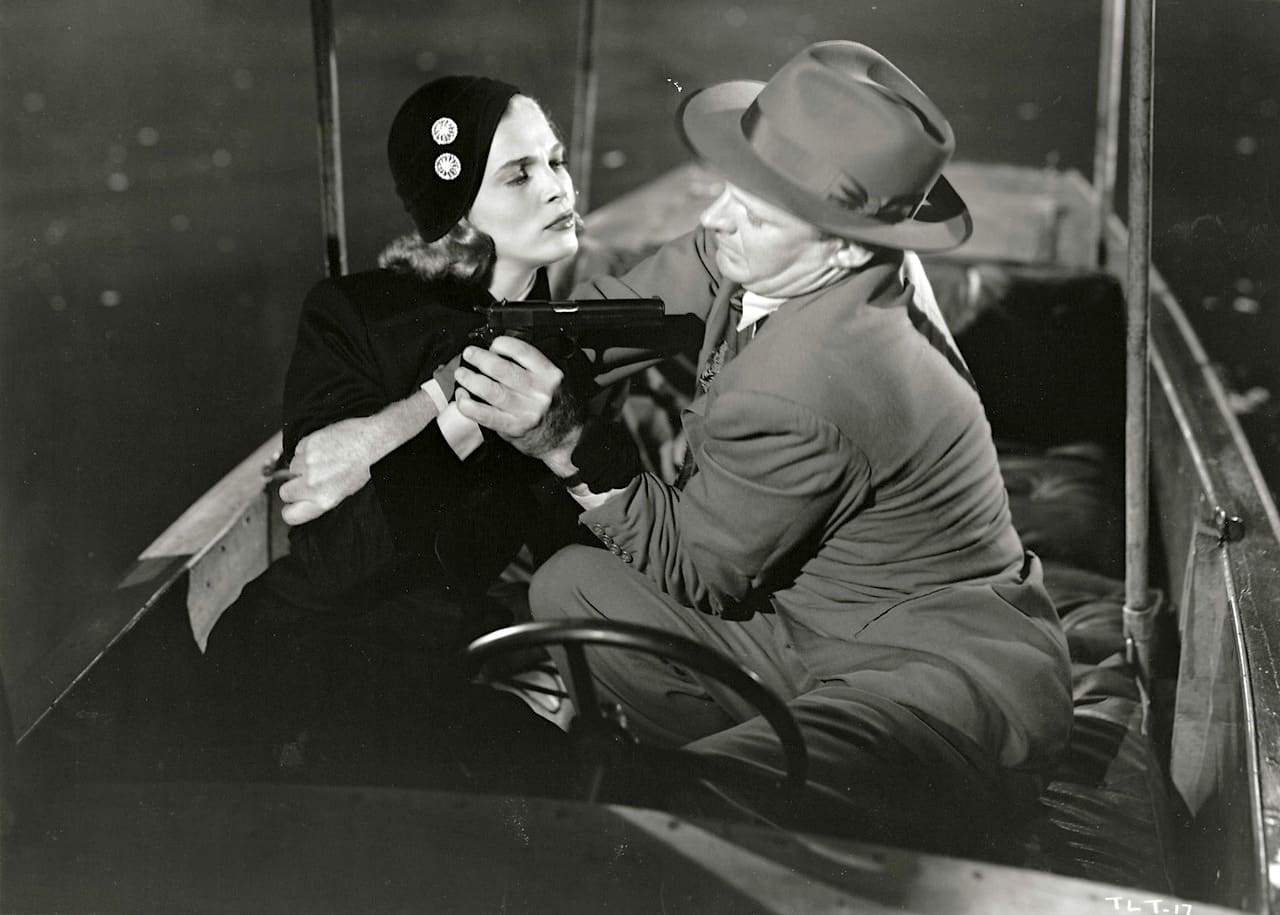
Jane, a gun and her husband

Misleading title, Too Late for Tears, suggesting there was a time for tears at all. By the time this 1949 film noir is done, the story of a woman rotten to the core, it’s clear that the time for tears – from her, or for her – might well be never. It’s Lizabeth Scott’s chance to chew the scenery, the furniture and her co-stars, playing a woman with a crushing sense of social inferiority who is transformed instantly when a big bag of cash suddenly lands on the back seat of the convertible she and her husband are powering towards a dreaded dinner party in the Hollywood hills. The car it came from … Read more

Pitfall

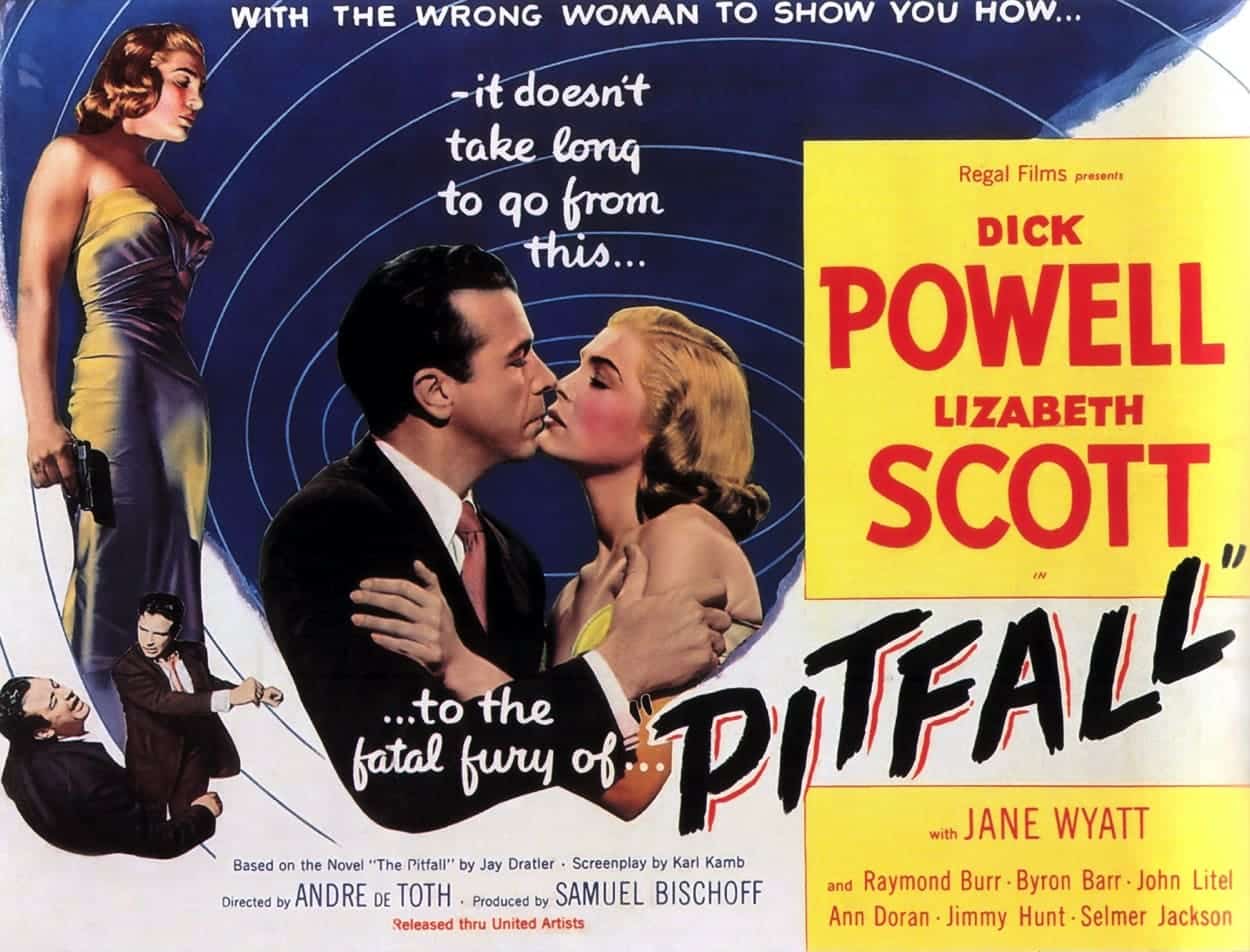
Original cinema poster

A good example of a flat, stoic, buttoned-up film noir, Pitfall is as minimal and undemonstrative as they come, depending on how you view sex and death. The stars are Dick Powell, deadpan Dick as usual, while Lizabeth Scott is the femme fatale, a model (and so an independent woman) who’s not so much bad as elementally disruptive. There are three key men – Powell as the everyday happily married insurance man John Forbes, Raymond Burr as “Mac” MacDonald, the shifty private investigator Forbes sometimes uses in murky cases, and Byron Barr as Smiley, a crook now doing time for a bent insurance claim. All have lost or will lose their heads to … Read more