Ashes and Diamonds

Maciek and Krystyna in bed

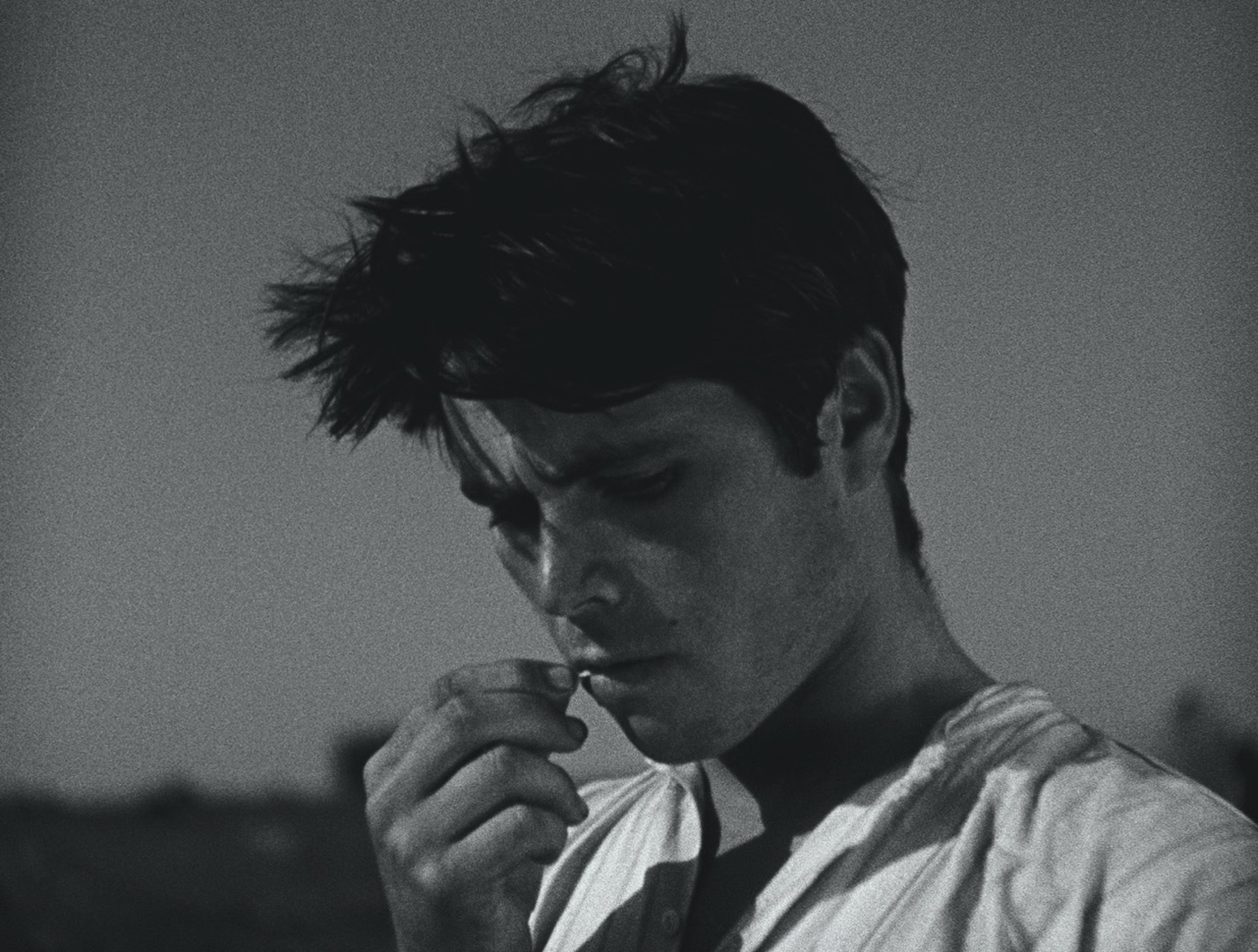
Set at the moment when Poland escaped the Nazis only to fall into the hands of the Soviets, 1958’s Ashes and Diamonds (Popiół i diament) is a philosophical, even existential, take on the recent history of director and co-writer Andrzej Wajda’s country. Really, it’s a day in the life of some Polish partisans, and of Poland itself, at the point where one enemy is being swapped out for another. But not without some psychological adjustment en route. In the opening sequence an assassination attempt against some communist party officials goes wrong – the partisans shoot the wrong men – and here is where the wrangling with conscience begins, particularly for Maciek (Zbigniew Cybulski) … Read more

Bridget Jones: Mad About the Boy

Leo Woodall, Renée Zellweger, Hugh Grant and Chiwetel Ejiofor

Bridget Jones Calls It a Day might have been a better title, but Bridget Jones: Mad About the Boy it is, a final trot around the paddock for Renée Zellweger and most of the familiar faces from the previous three films, plus a few new ones. Instant verdict: not bad. Definitely better than BJ2, but then that isn’t hard. Set in that Richard Curtis Cinematic Universe – a cosy well-to-do London beyond the imagination of most of its residents – it’s a genial, good-natured and ultimately rather rueful farewell which picks up the action with near-shut-in Bridget mourning the death of her husband (Colin Firth, who does a couple of ghostly cameos). The story then … Read more

100 Years of… La fille de l’eau aka The Whirlpool of Fate

Close up of Catherine Hessling

Nothing wrong with a nepo baby if they’re actually any good. La fille de l’eau (aka The Whirlpool of Fate, sometimes known as The Girl of the Water) is Jean Renoir’s first feature film, shot when he was 31, using Paul Cezanne’s property as a location and financial assistance from the estate of his own dad, the painter Pierre-Auguste (flogging one of dad’s paintings often came in handy in the early days). What he gives us is a lyrical and beautiful film harking back to the Impressionist/Post Impressionist style of Renoir Sr, Cezanne et al and forward to Renoir Jr’s own deliciously pretty films of the 1930s. What you don’t get is much … Read more

Parthenope

Parthenope listens as someone whispers in her ear

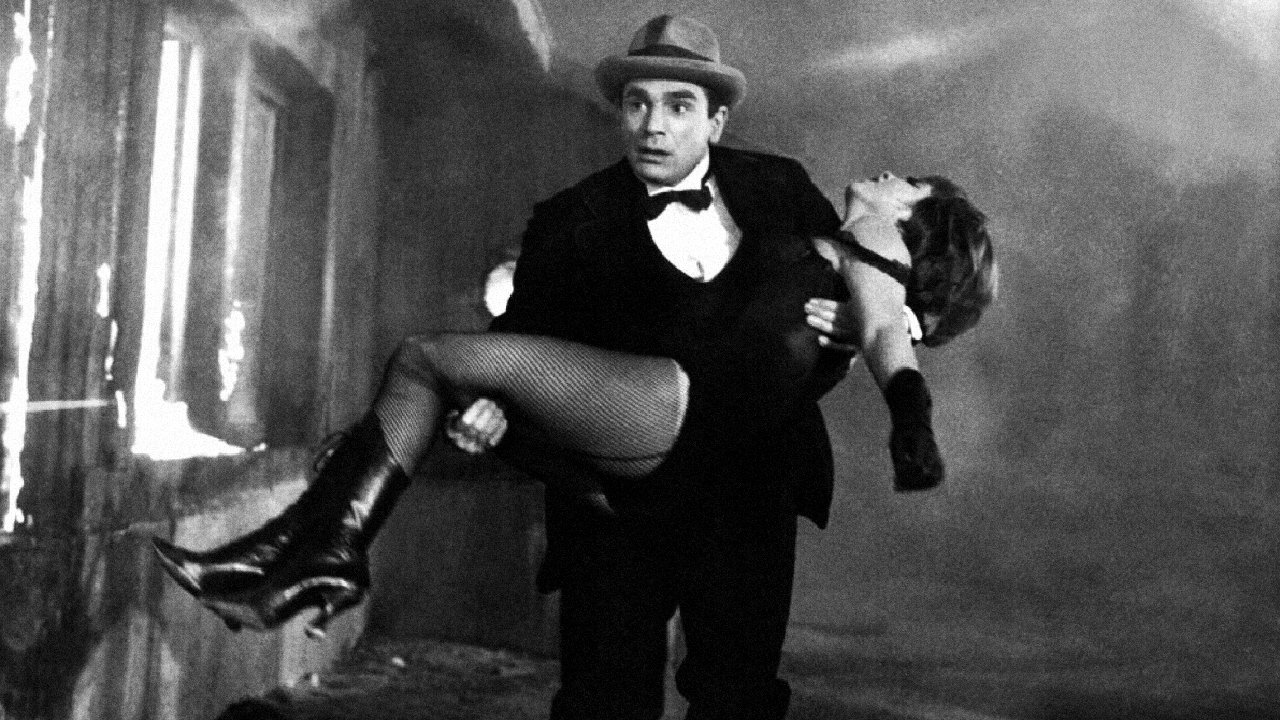
Parthenope is Paolo Sorrentino vamping, riffing on Paolo Sorrentino. A fabulously good looking film full of defeated old guys and spectacularly hot women, it nods as ever to La Dolce Vita, has a nice cameo for a famous actor, and the grotesques keep coming as if it had somehow accessed Fellini’s dreams. What is it about though? Sorrentino has said it’s not about the Greek version of the Parthenope myth – the siren who lured men onto the rocks. Or the Roman version – the beauty loved by the centaur Vesuvius, who was turned into a volcano by jealous Jupiter while Parthenope herself became a city, the future Naples. And yet it is … Read more

The Heartbreak Kid

Chris and Nick lie on the ground side by side

As I write this, there is one review for The Heartbreak Kid on the IMDb (soon to be two!). One. A good film that did well in its native Australia, good box office and reviews, spawned a TV spinoff (Heartbreak High), good looking stars, talking points, teachable points, well shot, well acted and written. What’s the problem? I suspect it’s the lack of shame on the part of its female protagonist, Cristina Papadopoulos, a 22-year-old teacher in an Australian high school who falls for one of her pupils, 17-year-old Nick Polides, and embarks on a wild and torrid affair with him. Claudia Karvan, who was 19 when she played Cristina, has spent good … Read more

Along Came Love aka Le temps d’aimer

François, Madeleine and Jimmy lying on the grass

Katell Quillévéré’s follow-up to Heal the Living takes the bare bones of her own grandmother’s story – a Frenchwoman who had a relationship with a German soldier during wartime, wound up a single mother in the post-war years, then met the man who’d become her husband on a beach in Normandy – embroiders on it heavily and repurposes it as a decade-straddling tale of cockeyed love and melodramatic dark secrets. Along Came Love (Le temps d’aimer) whisks us briskly from the aftermath of the end of the war – archive of GIs being feted as they march into France, cutting to “collaborating” French women having their heads shaved in orgies of public shaming … Read more

Of Human Bondage

Mildred (Bette Davis)

Of Human Bondage is the film to point to whenever some marketing guy is wanging on about “brand”. In it, Bette Davis demonstrates as clearly as can be done that it’s product – in the movies the role and performance – that’s critical. Get the product right and the brand takes care of itself. In doing it so brilliantly, Davis transformed her career. This was her breakthrough, in a part that most of her peers turned down – not on-brand enough for them. Davis lobbied for it and forced Warner Bros to lend her out to RKO to play it. It not only made her a star but whipped up talk out of … Read more

The Assessment

Aaryan and Mia sitting up straight

Harold Pinter never wrote out-and-out sci-fi, but if he had done it might have looked like The Assessment. A queasy and uneasy excavation of people’s motivations, its tension stems from confrontations deferred, which break suddenly in discomfiting and absurdist ways. Yet it’s simple, in set-up and execution. It’s easy to imagine this punchy three-hander being performed in an experimental theatre in the upstairs room of a pub. Another Pinteresque aspect – it’s an actors’ drama rather than a director’s, and it calls for subtlety and sudden switching of gears from its performers, which Alicia Vikander, Elizabeth Olsen and Himesh Patel all manage with real precision – Olsen and Vikander get the best of … Read more

Il Sorpasso

Bruno and Roberto looking backwards from the front seat of a car

Google Translate suggests The Overtaking as a translation of Il Sorpasso. It’s not perfect – the less elegant “overtaking manoeuvre” is more precise – but it knocks the English-language title of the film, The Easy Life, out of the park. Maybe, in 1962, when the film came out, international distributors were trying to cash in on the success of Fellini’s La Dolce Vita (which translates as The Sweet Life) from two years earlier. Any port in a storm, I suppose. Foreign-language movies have always been a tough sell in countries where English is the first language. Though both films are in black and white, the comparisons pretty much stop there. Il Sorpasso is a … Read more

La Cocina

Julia and Pedro head to head in silhouette

If you’ve seen the TV show The Bear then you’ve seen a good chunk of La Cocina, a hothouse drama set in a fast-paced New York restaurant kitchen. New York makes a difference – more illegal workers. And La Cocina is more explicit than The Bear about its racialised pecking order, though it’s a very uneasy order and prone to break down when the orders pile up. Estela (Anna Díaz) is our introduction to this semi-familiar world, a wetback from Mexico wandering lost around New York until she finds what she’s looking for: The Grill in Times Square, the sort of high-volume eatery that knocks out fish and chips, pizza, pasta, burgers, plus … Read more