The Stranger aka L’Étranger

Benjamin Voisin as Meursault

Albert Camus always rejected the queer reading of his novel L’Étranger, but director François Ozon insists on it in his adaptation. One of the urtexts of existentialism known for its blank refusal of emotion, the book famously opens with its antihero coolly announcing the death of his mother. Ozon’s Meursault (no cosy first name), for his part, tells us similarly blankly that “I killed an Arab”, again shifting the story slightly. The dead man was a “stranger” – one translation of “L’étranger”. Another is “outsider”, and refers to Meursault himself, a white Frenchman in brown Algeria, a coloniser in someone else’s country. Ozon gets all this done just like that and then proceeds … Read more

Time to Kill

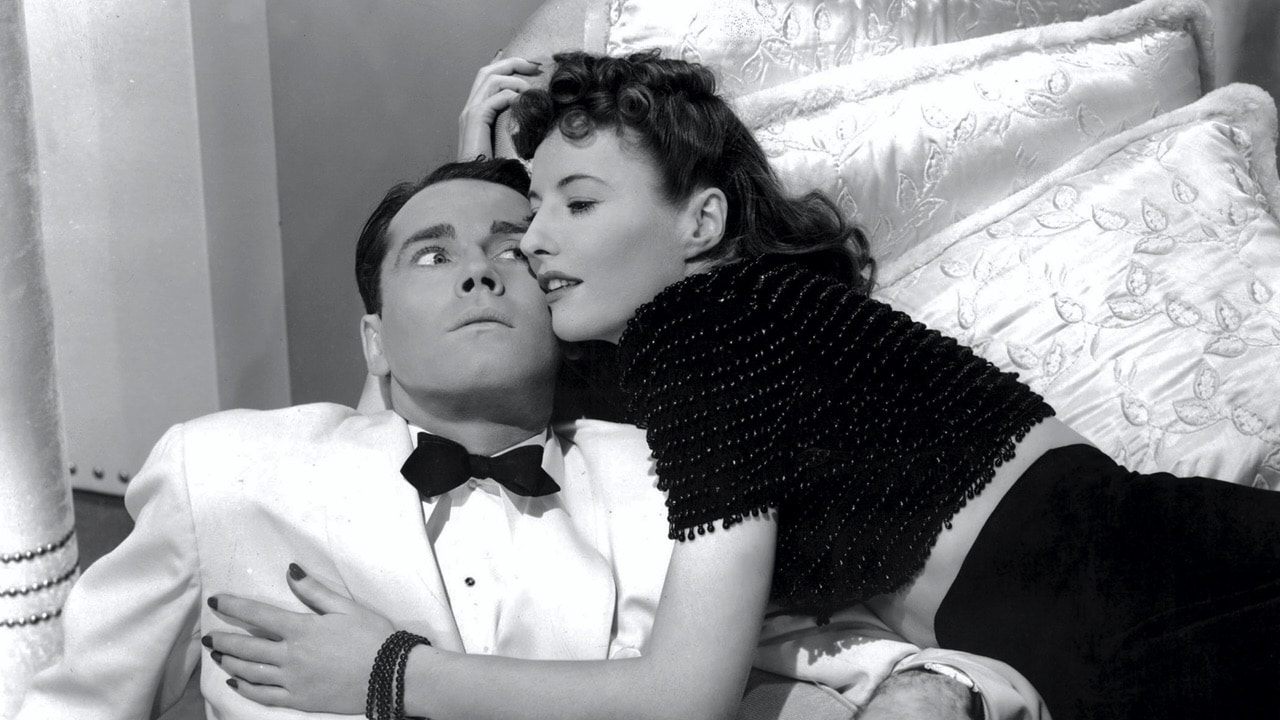
Lloyd Nolan and Phyllis Kennedy

In one hour 1942’s Time to Kill achieves what a lot of much longer films fail to do. It delivers a story while painting a picture of a time, a place and the people in it, and is highly entertaining, amusing and dramatic. The fact that it’s based on a Raymond Chandler story helps – this is the first adaptation of High Window, which would re-emerge on screen as The Brasher Doubloon five years later. But Lloyd Nolan as Michael Shayne – Chandler’s detective Philip Marlowe in all but name – really helps too. Shayne is introduced feet first, the camera lingering on the holes in his shoes as he takes a call that … Read more

Skinamarink

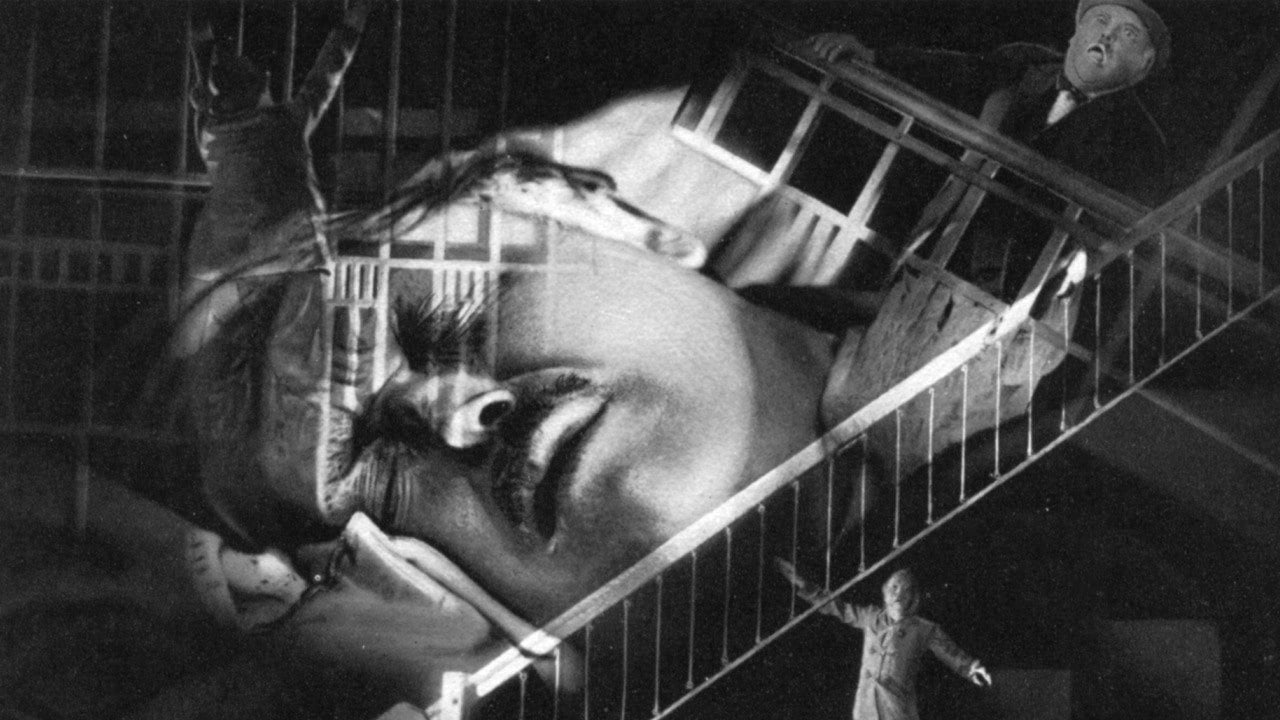
A ghostly image

My parents used to say “Skinnymalink” rather than “Skinamarink”. As affectionate insults go I suppose it was better than one alternative description, which was “long streak of piss”. The dictionary tells us the word has something to do with an old Scottish children’s song, Skinamalinky Long Legs, which (to vary the spelling yet again) went: “Skinny Malinky long legs / Big banana feet / Went to the pictures but couldnae find a seat / When the picture started / Skinny Malinky farted / Skinny Malinky long legs / Big banana feet.” The name probably came from the dialect word “Manikie” a little man (like mannequin) – so a skinamarink is skinny little man. All of … Read more

Tangos, the Exile of Gardel

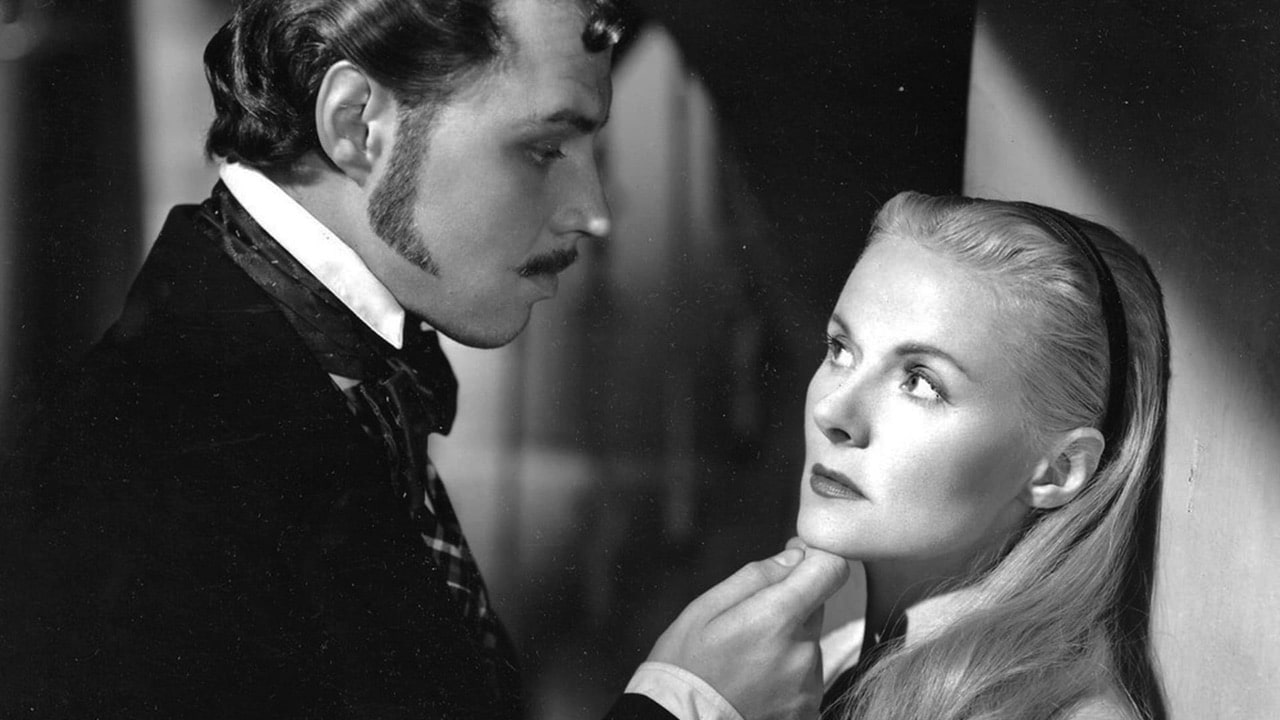
Marie Laforêt

You don’t have to know who Carlos Gardel is for El Exilio de Gardel: Tangos (aka Tangos, the Exile of Gardel) to work its magic. Nor do you need to know much about the political situation in Argentina in the 1980s to be affected by the film. You can just watch it for its fabulous tango dancing – to the music of Astor Piazzolla – and come away feeling like you’ve been served up something sumptuous and meditative. There is a sadness to tango music and it suits what’s going on here, an experimental melding of backstage musical with political agitprop, centred on a group of Argentinian exiles – intellectuals, dancers, musicians, academics – putting … Read more

Eagles of the Republic

The younger girlfriend and a bewildered George at a bar

I thought I spotted hints of conspiracy thriller The Parallax View in Tarik Saleh’s Eagles of the Republic, last of his so-called Cairo trilogy. So I asked AI – yes, it replied, Saleh has acknowledged the debt to Alan Pakula’s 1974 film. So satisfying when that happens…  Which is to say this is a political conspiracy thriller about a man wading further and further into murky waters and losing all grip on agency and, to an increasing extent, reality. Fares Fares is again Saleh’s main man, this time around playing a fading Egyptian movie star who is asked to play Egypt’s president Abel Fattah el-Sisi in a biopic that will be produced more … Read more

The Criminal Life of Archibaldo de la Cruz aka Ensayo de un crimen

Archibaldo menaces a waxwork Lavinia

In typical fashion, Luis Buñuel turns the crime drama on its head in The Criminal Life of Archibaldo de la Cruz (originally Ensayo de un crimen), a story about a killer who isn’t a killer admitting to crimes he didn’t commit because he’s convinced he somehow perpetrated them. Being a Buñuel film there’s also a reckoning with the bourgeoisie, and how they tend to get things assbackwards. Here, the wellspring of Archibaldo’s misery is becoming hardwired to confuse sex and death at an early age when, as a spoilt little rich boy, he sees his governess killed by a stray bullet fired by revolutionaries running amok outside the palatial family home. It’s as … Read more

Nino

Nino, isolated in a crowd

The weepy illness movie is a potentially irksome beast. It’s just too easy to stick a sick person on screen and ask us to pity them. Nino doesn’t play it that way. The film follows a diffident young man from the moment he receives a diagnosis of throat cancer over the long weekend leading up to his first dose of (emergency) chemo. And then leaves him. Should we pity Nino (Théodore Pellerin)? Does he somehow deserve what’s happened to him? Director and co-writer Pauline Loquès sets us a challenge as she challenges her subject – a closed-off dude who receives the bad news on his 29th birthday (tellingly, he doesn’t correct the doctor … Read more

Cairo Station

Youssef Chahine as Kenawi, staring at some knives

Now considered a beacon of the nation’s cinema, Cairo Station got a hugely negative reaction in Egypt when it came out in 1958. Audiences raised on a diet of stylised melodrama just weren’t ready for something so raw. Mostly in the Italian neorealist tradition, it ducks back into melodrama towards the end of its very brief running time (77 minutes), when the logic of what’s been building comes to an abrupt climax. After just over an hour of director Youssef Chahine soberly building narrative and atmosphere, in the last stretch suddenly everything switches – knives are brandished, blood is shed, a straitjacket appears and a man is carried off frothing into the lunatic … Read more

Köln 75

Keith Jarrett (John Magaro) at the piano

Corny in a good way, Köln 75 (aka Cologne 75) tells the strange but true story behind the story of Keith Jarrett’s Köln Concert, to this day the biggest selling solo jazz album of all time. The album is just Jarrett improvising on a piano in a cavernous concert hall. Unlike the film, which is a winning mix of two familiar tropes as the triumph over adversity drama meets the can-do of the let’s-do-the-show-right-here musical. Mala Emde plays the young woman who made it all happen, German jazz enthusiast Vera Brandes. We meet Vera aged 16 forcing herself on British jazzer Ronnie Scott after a gig. Impressed by her chutzpah, and possibly also … Read more

Cecile Is Dead

A suspect is questioned my Maigret

Anyone for Maigret? Cécile est morte aka Cecile Is Dead reveals what the French detective was up to in Nazi-occupied France in a film made in 1944 and directed by Maurice Tourneur, father of the now more famous Jacques. The detective first appeared in print in 1930 and on screen in Jean Renoir’s atmospheric Night at the Crossroads in 1932. There’s a trace of Renoir’s poetic realism in Tourneur’s altogether more bluff take on the great detective. Though he is to all intents and purposes the iconic cop as we know him: gruff, pipe-smoking, unsentimental, cool and famous for going against the grain. He’s a big one for “le hunch” (as no one … Read more