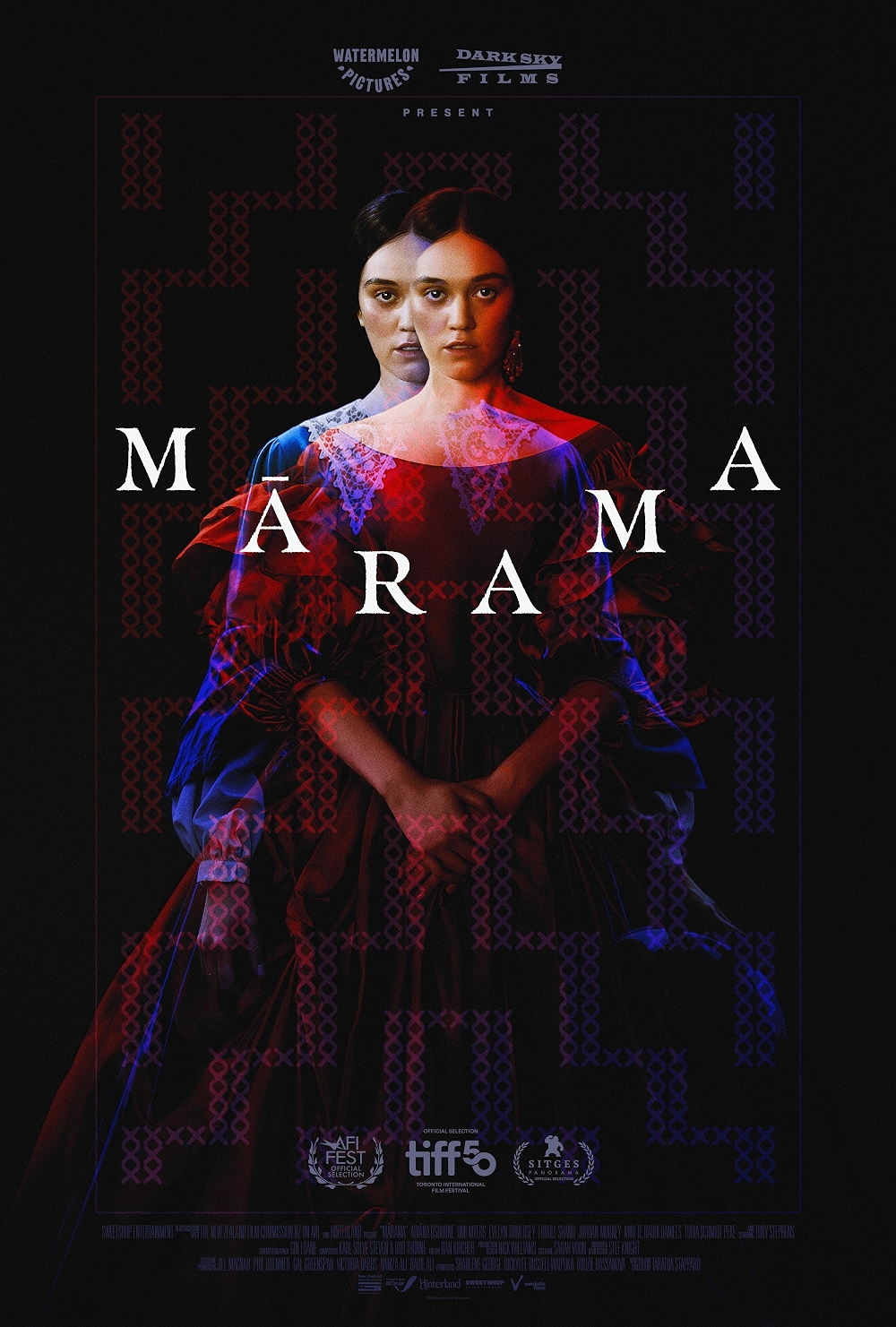
Play nice is the ultimate message of Mārama, which the IMDb describes as “a Maori gothic revenge horror set in Victorian England, 1859”. You won’t find me disagreeing.
The “revenge horror” takes a while to come, but there’s plenty of Maori gothic in the interim. Or plain old gothic, served up with a Maori central character on the wrong end of it.
Mary (Ariana Osborne) arrives in England from New Zealand having been called to the other side of the world by a cryptic letter. By the time she gets there, in true gothic style the man who wrote it is dead. Instead she is greeted by Nathaniel Cole (Toby Stephens), the gracious owner of a stately pile, who invites Mary to stay and suggests she might make an excellent governess for his granddaughter, Anne (Evelyn Towersey).
Mary’s real name is Mārama and she is a Maori who now finds herself stranded in Whitby at the pleasure of Cole, a charming man with, coincidentally, an unusual interest in Maori culture – he can speak the language, has a Maori ancestral house on his grounds and refers to Maoris as “magnificent specimens” of humanity.
Yes, Whitby, where Dracula touched down in England. And a big old house full of secrets, where candles gutter and the one servant, Peggy (Umi Myers), scuttles about looking frightened. As the film opens, Mary is being dropped off by a coachman who won’t take her any further along the road than he’s already come. Later, installed at Cole’s house, she starts having disturbing dreams in the night, and believes she can see glimpses of a double in various mirrors in the corridors of this dark, dark house.
What can it all mean? The good old-fashioned frighteners, that’s what – ghostly twins, bad blood, death, madness, the weird workings of fate. Gothic meets post-colonialism in Taratoa Stappard’s debut feature, a musing on cultural appropriation and blind white privilege that’s more nuanced than you might expect. True, at one point Cole raises a glass to toast James Cook, the man who “discovered” New Zealand, as if no one had ever found it before. But Stappard doesn’t find against Cole for being fascinated by Maori culture. In fact his film functions almost as a series of questions about when exactly Cole’s appropriation has gone too far. (It’s probably putting on the ancestral feathered cape of a Maori chief, but you may have your own threshold.)
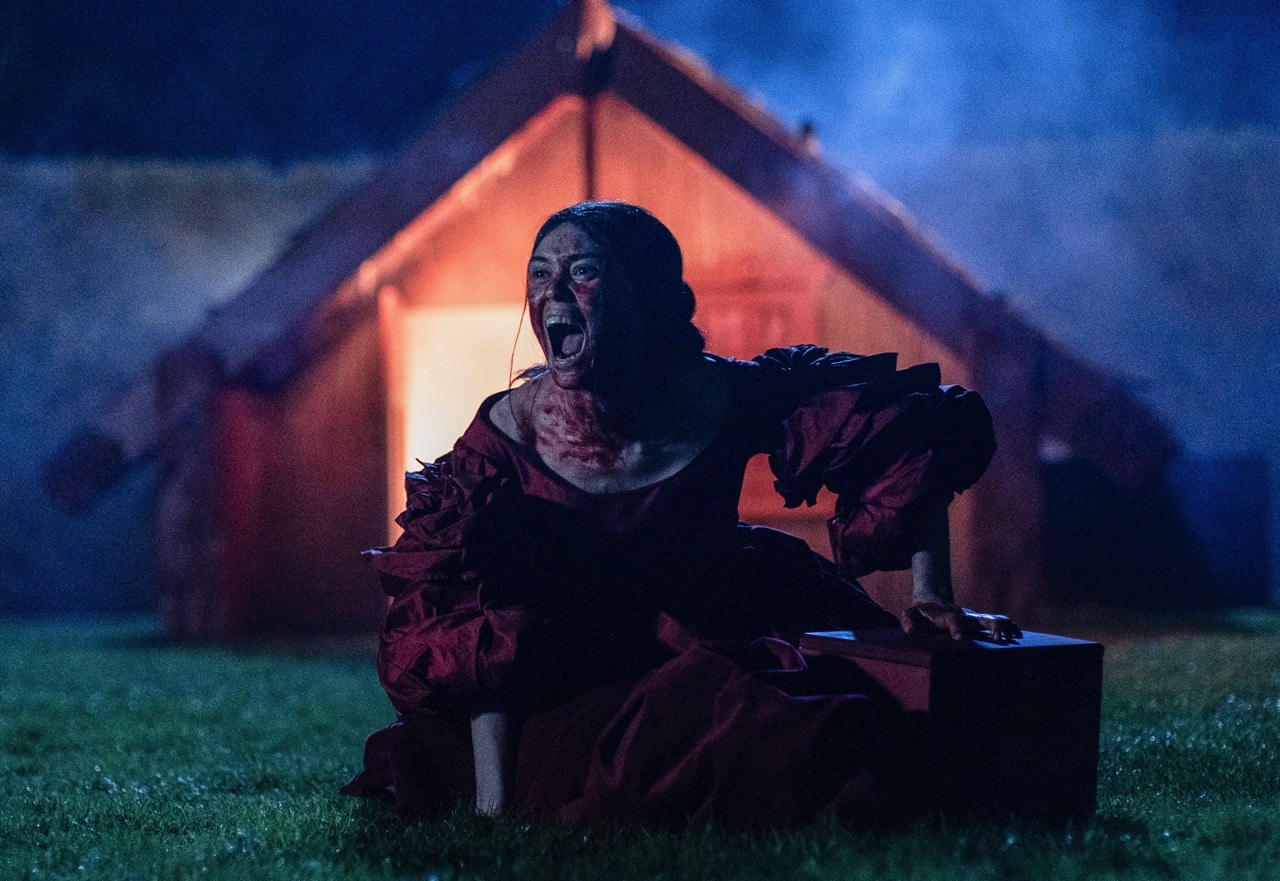
Of course Cole is the villain, Stephens is so charming he couldn’t be anything else. But Erroll Shand is also highly effective, as weird, unsettling “uncle” Jack Fenton, another one who likes to dabble in Maori culture. I liked the focused intensity of Towersey as the smart-cookie granddaughter, Anne, another one who knows more about the Maori than you might expect. And Osborne is excellent as Mary/Mārama, shading her performance from Jane Austen bonnet all the way to bloody giallo shriek by the end. So much noise out of one who seemed so demure.
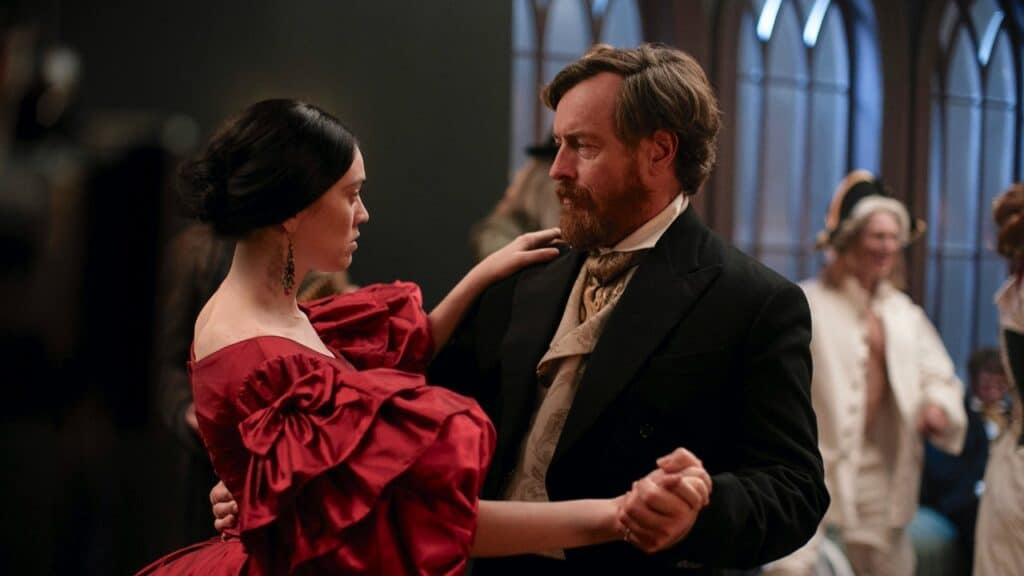
By far the best scene in it is the strange party hosted by Cole, where men dress as women, white men are in blackface and everyone is giddy with excitement at being in fancy dress, which they see as a lark. It’s all just a bit of fun, isn’t it? Mary doesn’t think so. This, for her, is where the line is and it has most definitely been crossed.
Lots of points for exotic novelty, with some deducted because the interior design never fully convinces us that this is the gothic period – budgetary constraints probably mean there just wasn’t the money. Stappard’s shooting style is clean and direct, when a bit more murk might have been sexier. His film, though, is different and distinctive. What will he do next?
Mārama – Watch it/buy it at Amazon
I am an Amazon affiliate
© Steve Morrissey 2026