Popular Features
100 Years of… The Sheikh
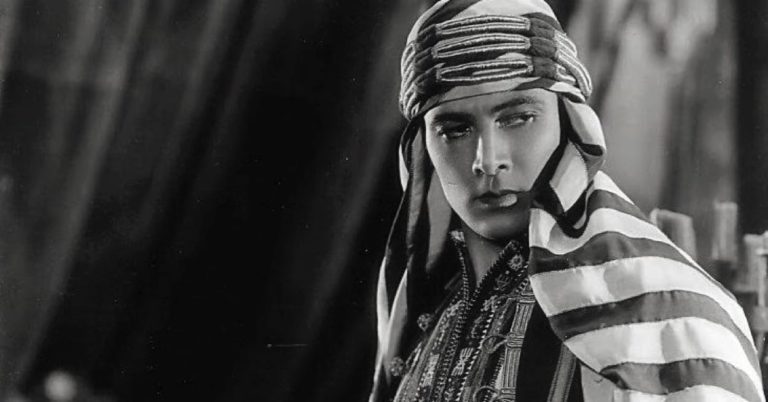
Rudolph Valentino had two big films in 1921. The Four Horsemen of the Apocalypse, by far the biggest grossing film of the year, was the one that made him a star. But The Sheikh was even more important. It made Valentino so famous that we still talk of him today, long after the auras of fellow stars like Norma Talmadge and Wallace Reid have faded. The Four Horsemen gave Valentino the “Latin lover” tag but The Sheikh made it stick, something that Valentino – striving to have a varied career – struggled against before bowing to the inevitable in 1926 with Son of the Sheikh. In an intense but short time at the … Read more
100 Years of… The Big Parade
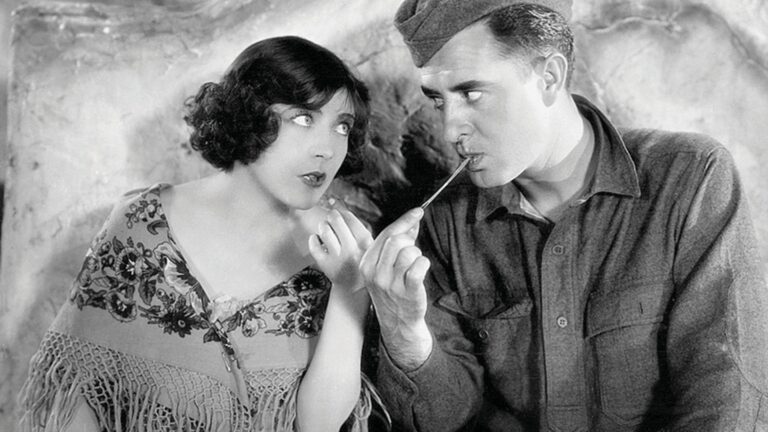
King Vidor’s first name really was King. It suited him. The master of the big Hollywood movie, here he is in 1925 with The Big Parade, laying down the template for all the war movies of the future. The Big Parade is the highest-grossing silent film of all time so it would be nice if we still had the original version. But it’s been lost. Instead there’s the 1930 re-issue – same movie but with sound effects and a score added. It’s the basis of the restoration done in the 1980s, which replaced the original score with one by Carl Davis. How good the film looks. It’s fabulously sharp, in fact, apart from the … Read more
100 Years of… Mud and Sand
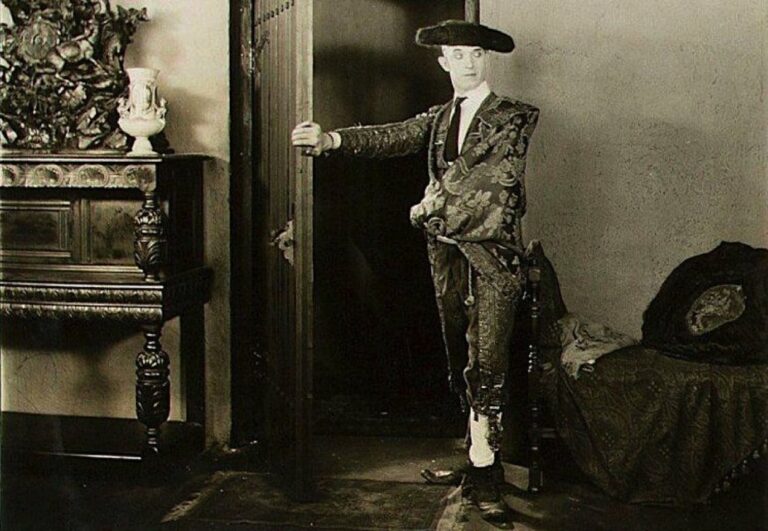
Before Laurel and Hardy there was Laurel and Laurel, and in 1922’s Mud and Sand we get to see Stan Laurel’s original silent-movie partnership at work. The film is a longish short (40 mins) spoofing the Rudolph Valentino hit Blood and Sand, the story of a poor Spanish toreador who hits the big time and has his head turned by the wiles of a vampish older widow. Tragedy ensues. Turned out within three months of Valentino’s all-action spectacular – one of the biggest films of the year – Mud and Sand’s target is obvious, with Stan Laurel playing the slick-haired accidental toreador hero and irresistible love icon Rhubarb Vaselino. (The on-screen intertitles call him … Read more
100 Years of… The Gold Rush
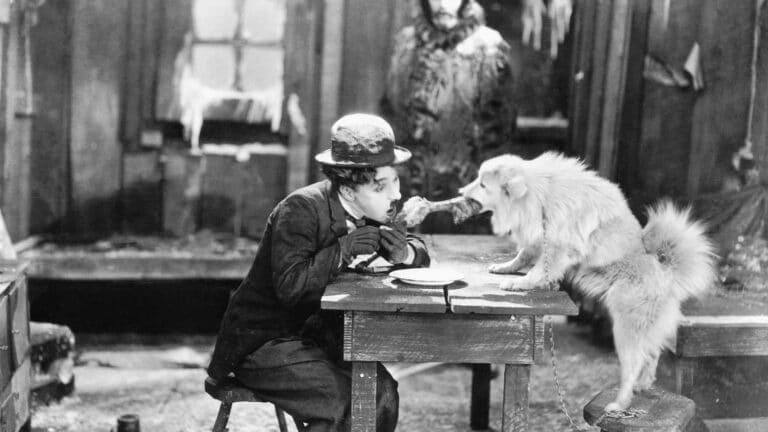
Charlie Chaplin’s most famous film, the one he wanted to be remembered by, is The Gold Rush. It was not only sensational then but it’s amazing how well it holds up now. Fashionable though it is to be slightly down on Chaplin these days, The Gold Rush is the one doubters should see – inventive, dramatic and funny, it’s well made enough to convince all but the most prejudiced. I’d urge the Criterion version on you if you’re going to shell out for a physical copy. It contains the 1925 silent original and also the 1942 re-release, which Chaplin re-edited, rescored and overdubbed with a narration (an approximation of newsreel bombast done by … Read more
100 Years of… The Four Horsemen of the Apocalypse
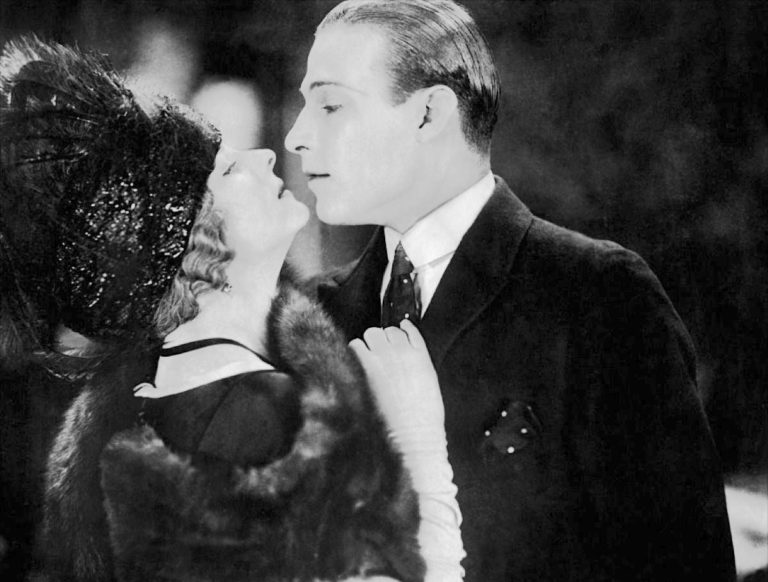
The Four Horsemen of the Apocalypse was the first of five films Rudolph Valentino made in 1921 and though it’s the film that made him a star he’s not the star of the film, which is an ensemble piece. The star is the film itself, an epic so complete and fine-tuned that it’s a reference point today whenever producers and directors are aiming to tell tender human stories against a background of raging conflict. It’s a big film too – two and a half hours long, which isn’t gargantuan compared to, say, Birth of a Nation (three and a quarter hours) or Greed (originally four and a half hours) – but surprises people who … Read more
100 Years of… Warning Shadows
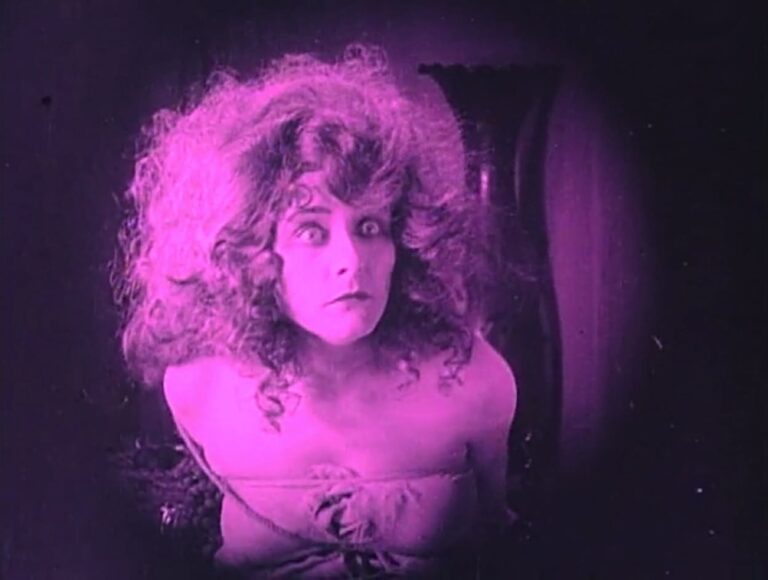
The remarkable Warning Shadows (Schatten: Eine nächtliche Halluzination) is often lumped together with other German movies of the 1920s as expressionist but it’s only tangentially an expressionist movie. It’s too strange to fit in that box, too individualistic. As silent movies go it’s strange too. Once it’s done its introductions – the characters’ names materialise as the actors appear on stage in front of a white screen which will take on significance later – there are no intertitles, not one. The American born but Germany-raised director/writer Arthur Robison does it all with images and his actors, no further explanation necessary. The story is weird as well – like a sexed-up fairy tale – … Read more
Five Films about Margaret Thatcher
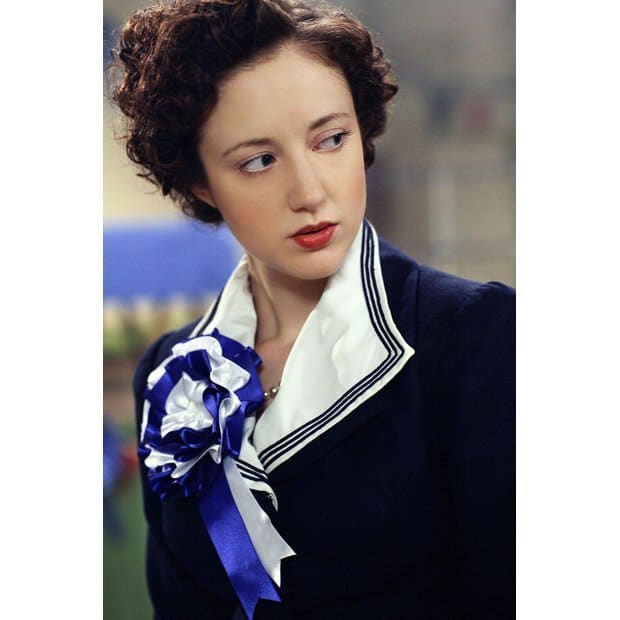
Margaret Thatcher, Mrs T, The Iron Lady, is dead. 31 years ago she was the most unpopular UK Prime Minister in history. Then, after winning the Falklands War she was re-elected in 1983. She was elected again in 1987 before being defenestrated by her party in 1990, a defeat she never quite came to terms with. Politically she was deeply divisive but on one point everyone is agreed – she recast British politics, and to a certain extent global politics, with her doctrine of open markets, privatisation, financial deregulation and tax cuts. Thatcher made the world we live in now. To some she was the greatest prime minister who ever lived, to others … Read more

100 Years of… Master of the House
More than just a miserable face, arthouse darling Carl Theodor Dreyer could also churn out the hits. Master of the House is one such, a counter to the suggestion that he was just an austere Dane interested only in the beauty of human suffering – see The Passion of Joan of Arc or, much later, Ordet, for plenty of that. Madly successful at the box office, Master of the House is, as near as you got from Dreyer, a Hollywood entertainment, telling a story with a clear beginning, middle and end, emotional arcs, good guys and bad guys, fairly realistic performances and a moral at the end that you can actually see coming from … Read more
100 Years of… The Salvation Hunters
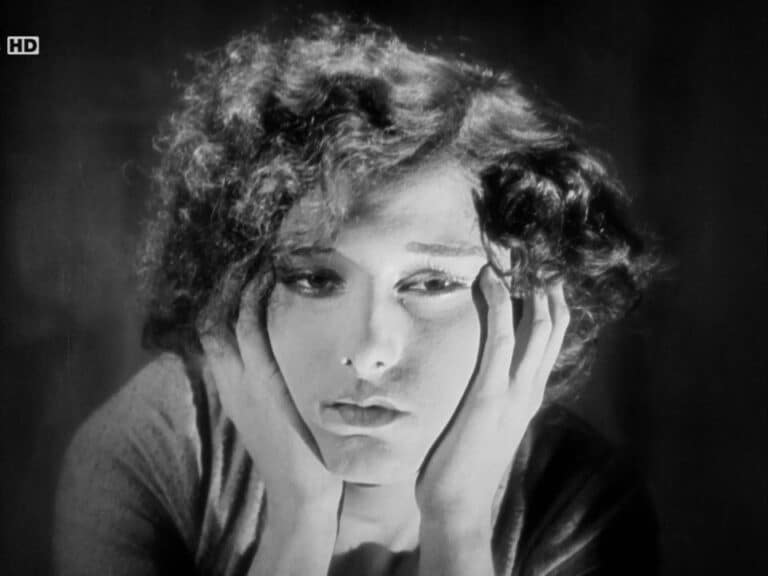
Made in 1925, The Salvation Hunters was Josef von Sternberg’s directorial debut. It was a total flop, and only picked up a bit interest after it was endorsed publicly by Charlie Chaplin (who encouraged his business partners Mary Pickford and Douglas Fairbanks to go along with him). But in spite of newspaper advertisements tendering Chaplin’s personal seal of approval (“It’s a great picture and different”) it still refused to fly with audiences, who probably found its tone too didactic, its approach too abstract and its long scenes featuring people staring moodily into the middle distance too dull. They are right about all those things. But Chaplin’s point still stands. There is something important … Read more
Movies About Charles Bukowski
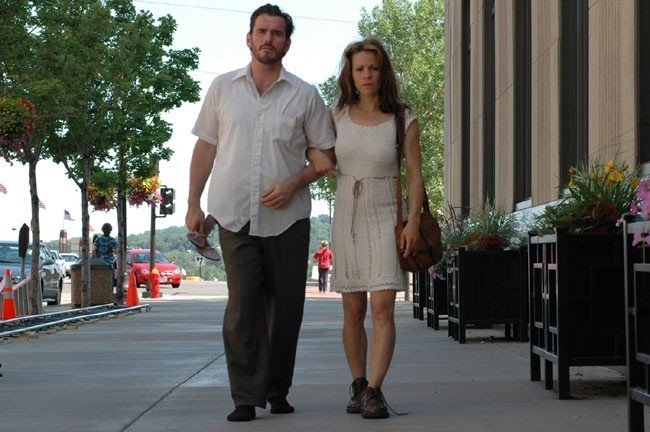
The news that James Franco is directing a film about gravel-voiced, pock-faced author Charles Bukowski, the go-to man for closet writers, bedroom tough guys and incipient alcoholics, reminds us that there have been several shots on goal before. Franco has a double obstacle – films about writing are inherently uncinematic, and films that rely on an authorial voice that’s ironic but utterly deadpan are also in choppy water. So Franco is concentrating on how Bukowski’s early years – abused at home, disfigured by acne – affected his later life. Perhaps Franco is buoyed up by the success of his portrayal of another writer, Allen Ginsberg. Or perhaps not. This is not Franco’s first … Read more

100 Years of… The Three Musketeers
You’d have thought that the silent The Three Musketeers from 1921 would be the first film adaptation of Alexandre Dumas’s novel but it wasn’t. Depending on how you count these things it was around the seventh or eighth film version since 1903. It wasn’t even the first of 1921. That honour went to a French serial shot in 14 episodes, Les Trois Mousketaires. But this one, directed by Fred Niblo and starring Douglas Fairbanks Sr, eclipses all the forerunners and most of the successors, largely thanks to the presence of Fairbanks, cusping 40 when he made this but leaping around and larger than life from the moment he hits the screen. This happens … Read more
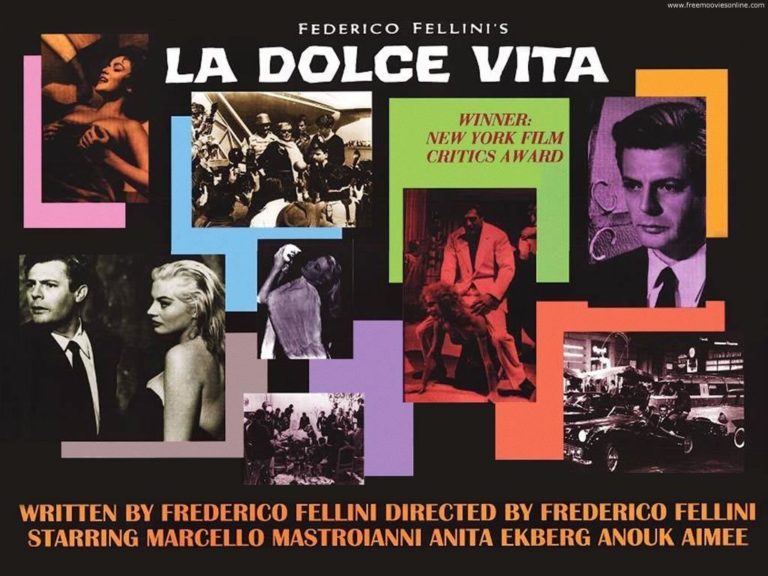
Isn’t It Iconic?
La Dolce Vita might not be the best Italian film ever made. Or the cleverest, steamiest or most gripping. But it is the most iconic. Here’s why… Just a touch over 50 years ago the assembled critics at the Cannes film festival gave Federico Fellini’s La Dolce Vita a standing ovation. Not at the end of the film, or even at the moment when Anita Ekberg gets into the Trevi fountain, its most remembered scene. No, what got them to their feet was the film’s opening shot. It’s of a huge statue of Jesus Christ being airlifted out of Rome, the Eternal City. It doesn’t look like much now but back then this … Read more