The Return of Frank James

A dignified Henry Fonda as Frank James

So The Return of Frank James it had to be, what with Frank’s brother Jesse James having died at the end of his eponymous 1939 movie. No sequel featuring hotshot outlaw Jesse being possible, how about one all about his more grounded older brother, the big sell being that Henry Fonda had been persuaded to return to the role? Boring Frank to sexy Jesse, on the face of it that’s not much of a proposition. And yet director Fritz Lang squeezes a good movie out of it, by focusing on the film’s looks. This is one of the handsomest westerns ever made. Shot in Technicolor and using locations Lang had scouted while prepping … Read more

Fury

Katherine consoles Joe

In 1936’s Fury, Fritz Lang revisits one of the key themes of M, his 1931 paranoid classic about a child murderer on the run. The focus on mob rule had seemed prophetic in a country about to install the Nazis as its rulers, but how well would it translate to democratic America? Very well is the answer, and it would stand up even better now, in the world of social media, where a rumour is enough to convict in the court of public opinion and the best option for anyone caught up in a pile-on is to disappear entirely. Joe (Spencer Tracy) and Katherine (Sylvia Sidney) are very much in love and plan … Read more

Frau im Mond aka Woman in the Moon

Willy Fritsch as Wolf

Fritz Lang’s scorching run of the late silent era continues with Frau im Mond. Translated variously as Woman in the Moon, Girl in the Moon and By Rocket to the Moon, it’s Lang’s second go at sci-fi. He’d made Metropolis only two years before, nearly bankrupting the Ufa studio in the process. And yet, for some reason, Ufa gave Lang his head again. The fact that Spione (aka Spies), Lang’s creation of the modern spy caper the year before, had been a massive success might have had something to do with Ufa’s readiness to be so generous. Frau im Mond is the realistic, plausible sci-fi to Metropolis‘s poetical, fantastical one, an attempt, using … Read more

Man Hunt

Captain Thorndike takes aim with is rifle

A film expressly designed to lure the US into the war in Europe, 1941’s Man Hunt is also Fritz Lang’s attempt at a rollicking The 39 Steps-style yarn, with dashing about, derring-do, stiff upper lips, local colour and a man/woman yoking-together that’s got everything Hitchcock had except handcuffs and his exquisite sense of pace. It bogs down, in other words. But only towards the end. Up till then this is a fast-moving story about a tweedy secret agent of some sort, who is caught red-handed while lining up his rifle’s telescopic sight on Adolf Hitler. When interrogated by the Nazis Captain Alan Thorndike’s defence is that he had no intention of actually killing … Read more

100 Years of… Die Nibelungen: Siegfried

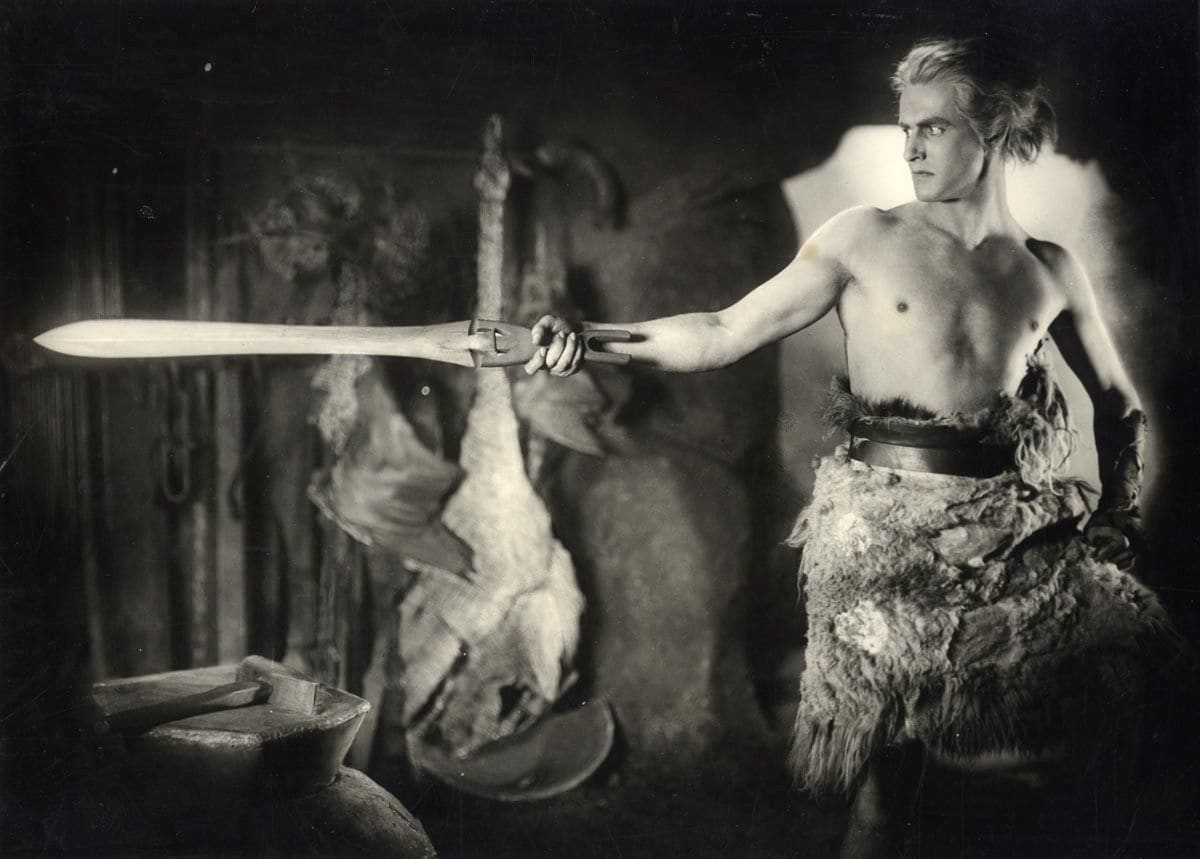
Siegfried checks his sword before setting out

Long before techno or Kraftwerk there was Richard Wagner, and in 1924 director Fritz Lang and his writer wife Thea von Harbou decided to put a story the German headbanger had popularised onto the screen. Die Nibelungen: Siegfried is the first of a two-part phantasmagorical medieval epic “dedicated to the German People”, a Tolkien-before-Tolkien, Game-of-Thrones-before-Game-of-Thrones tale of hair, helmets and hunting horns. Plus invisibility, dragons, fair damsels, derring-do, treachery and death. George Lucas clearly watched this first film (at least) before making Star Wars and the debt owed visually by Game of Thrones is also obvious here and there. What’s remarkable is how technically accomplished it is given given the crudity of the … Read more

The Thousand Eyes of Dr Mabuse

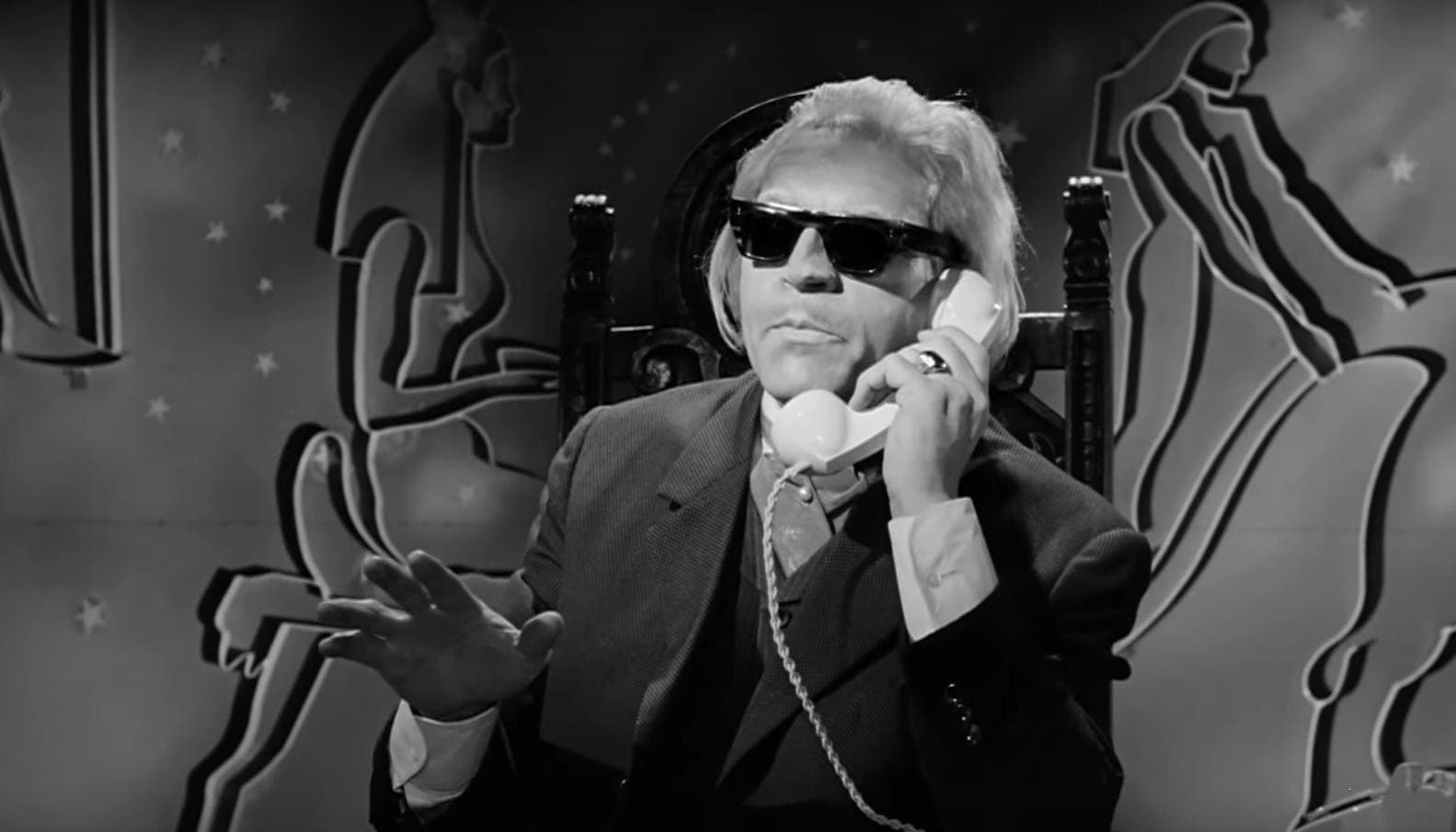
Wolfgang Preiss as creepy clairvoyant Peter Cornelius

Reinventing a genre he had more or less invented in the first place, Fritz Lang’s 1960 movie The Thousand Eyes of Dr Mabuse (originally Die 1000 Augen des Dr. Mabuse) also revisits an established intellectual property. The character of Mabuse had already served Lang well, having taken centre stage as the arch-villain in Lang’s silent two-part behemoth Dr Mabuse the Gambler in 1922 and again in The Testament of Dr Mabuse in 1933. After which Lang exited Germany in a hurry, having been made an offer he couldn’t refuse by Dr Goebbels, an arch-villain to top them all. In the late 1950s, old and almost blind, Lang returned to Germany to make the … Read more

Secret Beyond the Door

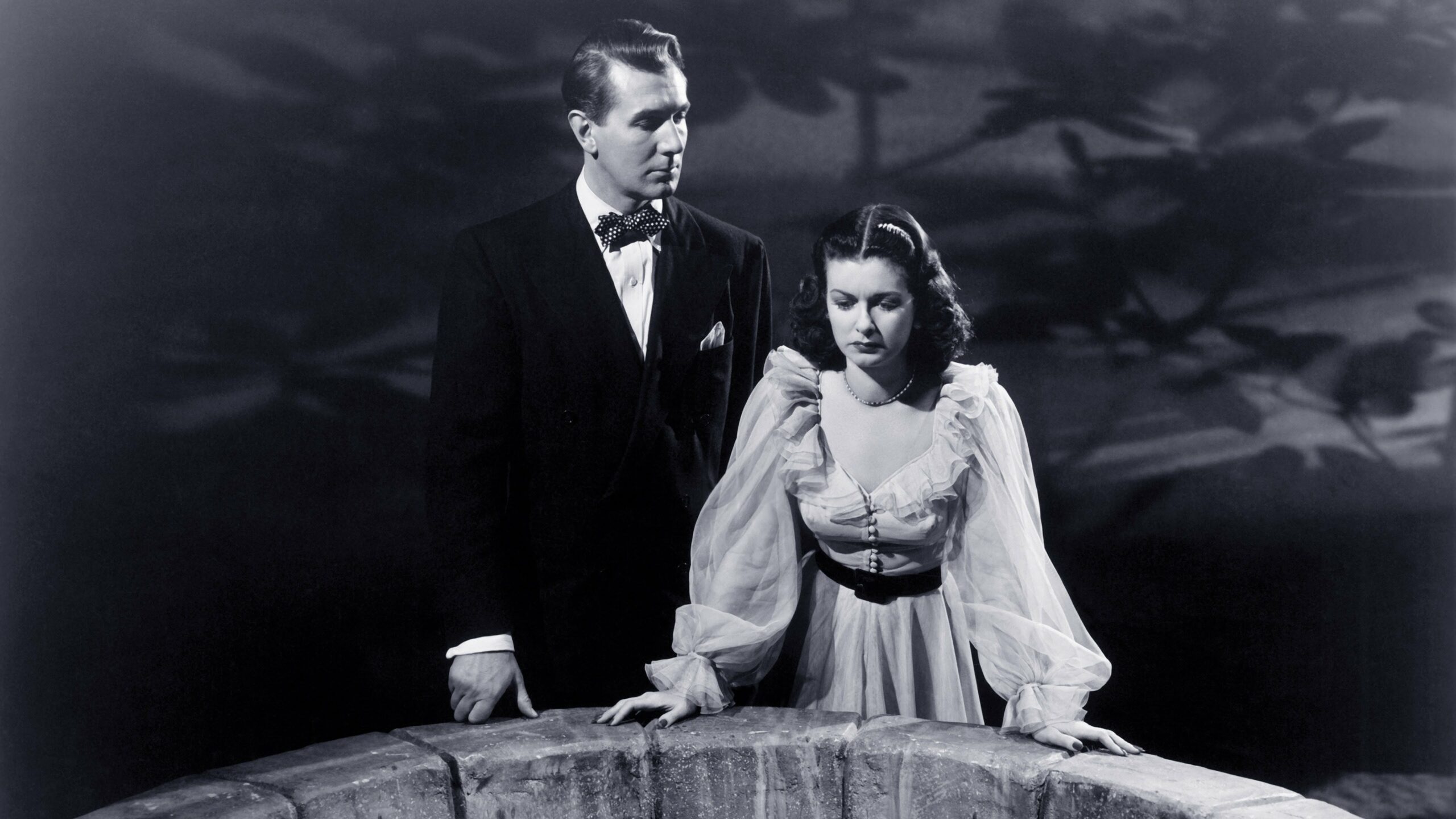
Mark and Celia in Mexico

Largely bonkers, 1947’s Secret Beyond the Door is a great film if what you need is a laugh, but a joke as what it’s meant to be – a twisted psychological film noir. It’s the last of five collaborations between Joan Bennett and director Fritz Lang, and it’s produced by Bennett’s husband, Walter Wanger, who saw this film as a way of reheating the Rebecca pot, Hitchcock’s Oscar-winning first Hollywood movie of seven years earlier. It is the Rebecca story all over again, in fact – woman marries rich guy as his second wife and finds she can’t live up to the memory of the first – but with an addition of the … Read more

You and Me

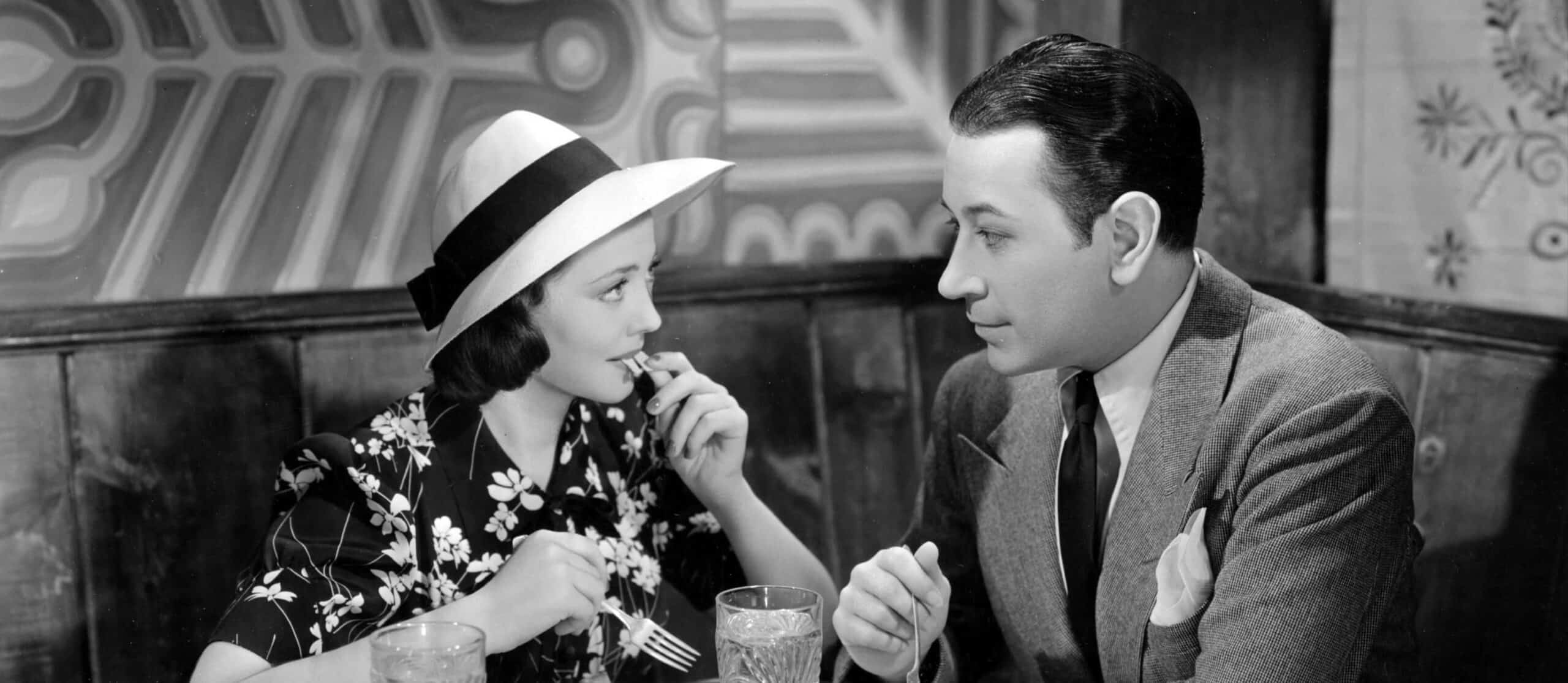
Sylvia Sidney and George Raft

What’s the best Fritz Lang film? The argument could go on all night, and there are so many to choose from – contenders include M, Fury, You Only Live Once, The Woman in the Window, or While the City Sleeps. Or how about Rancho Notorious, Metropolis, The Big Heat or Man Hunt? So how about the worst one? 1938’s You and Me is a prime candidate. It’s still an interesting if largely unsuccessful film. Lang himself considered it to be his worst, a “lousy picture”, he said in his autobiography, in which styles argue with each other while a miscast lead does his best to make sense of a character. George Raft is … Read more

Ministry of Fear

Marjorie Reynolds as Carla, with a swastika projected over her

A Hitchcock film that Hitchcock didn’t make, Ministry of Fear has the innocent man on the run, the dangerous/vulnerable blonde and a shadowy organisation pulling the levers in the background. Fritz Lang directed it, in mid 1943, but it took until mid 1944 before it was shown in cinemas (and even then it only happened piecemeal). Considering it’s about Nazis, a dangerous conspiracy and life during wartime, that’s a long time for a film to be sitting on the shelf. Fritz Lang didn’t like it, nor did Graham Greene, who wrote the book it was based on, but Lang was forced to work with the adaptation written by Seton Miller, who was the … Read more

Spies

Willy Fritsch as agent 326

Metropolis, now seen as a classic, didn’t do many favours for director Fritz Lang short term. And it nearly bankrupted Ufa, the studio that made it. For Lang’s follow-up, Spies (Spione), Ufa clipped his wings and forced him to shoot on a reduced budget. Hey ho, another classic, and also, just incidentally, the template for almost all of the spy thrillers of the future. In a brilliant, lightning-fast opening montage, Lang lays out his stall – stolen documents, a murder, a public furore stoked by incendiary newspaper headlines (“public officials asleep on the job”), – another murder, followed by a man who might as well be named M calling a spy who might … Read more