Merrily We Go to Hell

Jerry with Joan hugging him from behind

Merrily We Go to Hell ran into trouble when it came out in 1932. The use of the word Hell in the title gave some distributors an attack of the vapours. To get round potential objections, in the UK the problem word was simply removed and the film went by Merrily We Go to __, which was also the case in certain states in the US. The film itself is often described as a comedy, but it isn’t really funny. But then that is often the way with the comedy of manners, which this is. This is a big one in the feminist canon, not least because it was directed by Dorothy Arzner, … Read more

City Streets

Sylvia Sidney and Gary Cooper look into each other's eyes

Gary Cooper was a long way from his craggy, motionless Mount Rushmore phase when he made City Streets in 1931. In fact he still looked boyish enough to play a character called Kid, a fairground worker who gets caught up with some gangsters, finds he has a taste for it and then lives to regret it. It’s a Dashiell Hammett story and it is typically Hammett – complex – with two interwoven fields of play, the romantic and the criminal, each providing the obstacle to the smooth progress of the other, before the two eventually switch about. So Cooper and co-star Sylvia Sidney are required to cover a lot of emotional ground. He’s the … Read more

Sabotage

Oscar Homolka as the saboteur

Graham Greene didn’t like the films of Alfred Hitchcock, but he did like Sabotage. The novelist was a film critic in his early years and was regularly on Hitchcock’s case for what he described as “inconsistencies, loose ends, psychological absurdities.” Tough room. But, as I say, Sabotage got the Greene seal of approval. Which is odd because it’s not top-flight Hitchcock, though it is worth staying around for the film’s famous sequence towards the end, when Hitchcock sacrifices a character in scenes audiences in 1936 found shocking and Hitchcock himself was uneasy about. It’s based on the Conrad novel The Secret Agent, but since Hitchcock’s previous film had been Secret Agent, the original … Read more

Fury

Katherine consoles Joe

In 1936’s Fury, Fritz Lang revisits one of the key themes of M, his 1931 paranoid classic about a child murderer on the run. The focus on mob rule had seemed prophetic in a country about to install the Nazis as its rulers, but how well would it translate to democratic America? Very well is the answer, and it would stand up even better now, in the world of social media, where a rumour is enough to convict in the court of public opinion and the best option for anyone caught up in a pile-on is to disappear entirely. Joe (Spencer Tracy) and Katherine (Sylvia Sidney) are very much in love and plan … Read more

You and Me

Sylvia Sidney and George Raft

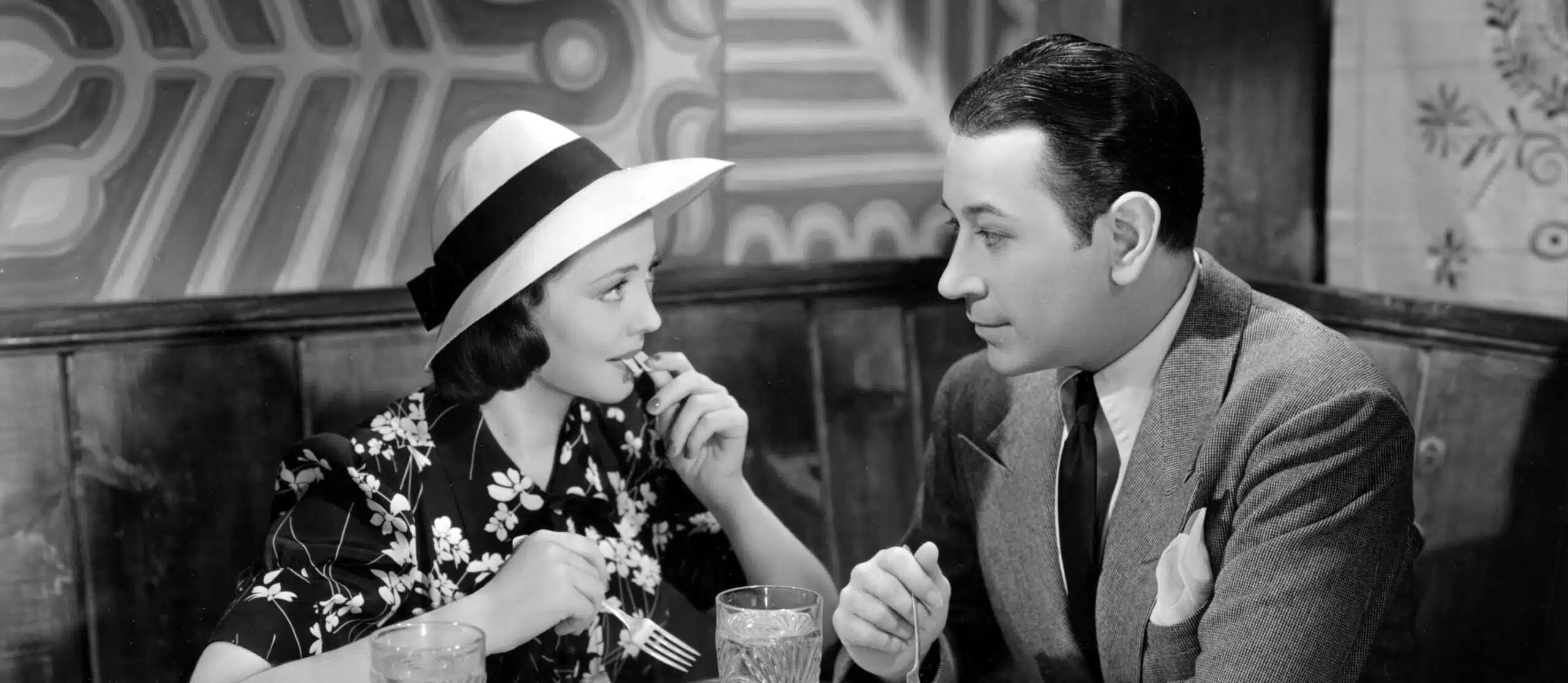
What’s the best Fritz Lang film? The argument could go on all night, and there are so many to choose from – contenders include M, Fury, You Only Live Once, The Woman in the Window, or While the City Sleeps. Or how about Rancho Notorious, Metropolis, The Big Heat or Man Hunt? So how about the worst one? 1938’s You and Me is a prime candidate. It’s still an interesting if largely unsuccessful film. Lang himself considered it to be his worst, a “lousy picture”, he said in his autobiography, in which styles argue with each other while a miscast lead does his best to make sense of a character. George Raft is … Read more

You Only Live Once

Joan and Eddie on the run

Fritz Lang’s second Hollywood picture, You Only Live Once, was released in 1937, three years after the death of Bonnie and Clyde, and was the first movie to tell their story – sort of. A tale of bad luck and trouble rather than one of bad people doing bad things, it stars Henry Fonda and Sylvia Sidney as a couple in love – she a sweet girl who works for the Public Defender, he a threetime jailbird determined to go straight and make an honest woman of his wife-to-be but finding that society won’t give this sucker an even break. Blocked at every turn, Eddie (as Clyde is called here) turns back to … Read more