Respect

Jennifer Hudson as Aretha Franklin

It would easy to go all hatey on Respect, a biopic of the life of Aretha Franklin, but instead let’s take it for what it is – the authorised version, the Stations of the Cross of a towering talent who even old, sick and with her voice in ruins could yank a tear, if not sobs, from the coldest of hearts. As we can see at the end of the film in actual footage from Aretha’s performance at the 2015 Kennedy Center tribute to Carole King which, perhaps unwisely, is shown over the end credits. Jennifer Hudson never quite manages anything similar, brilliant though she is. Choose your biblical metaphor – she’s Daniel … Read more

Point Blank

Angie Dickinson and Lee Marvin

Midway between Philip Marlowe and John Wick, Walker, the hero of 1967’s Point Blank is a stylish hero in a film so stylish and influential that its original impact can now only be guessed at, so relentlessly has it been plundered in the ensuing decades. Soderbergh is a fan, as is Tarantino, and so, of course, is Chad Stahelski (of John Wick fame). Mel Gibson and director Brian Helgeland remade it in 1999 as Payback (go for 2006’s Payback: Straight Up, the dirtier director’s cut, if you’re heading that way) but it’s Boorman’s framing and his use of locations, space and sound that have made Point Blank such a moodboard/sourcebook, as well as … Read more

The Man Who Sold His Skin

Sam and his Schengen visa tattoo

“Sometimes I think I”m Mephistopheles,” guyliner-wearing conceputal artist Jeffrey Godefroi (Koen De Bouw) tells Sam (Yahya Mahayni) near the beginning of The Man Who Sold His Skin. Sam is the Syrian refugee Godefroi is about to sign up to be a living art work, and Godefroi’s declaration is as clear a reference as you need that this is an update on the Faust legend, albeit with a clever retooling for a more secular age – men no longer sell their souls, it’s their ass or, more decorously, their skin that’s in this game. The Arabic original title – translated as The Man Who Sold His Back – gets things a touch closer to … Read more

Le Samouraï

Alain Delon

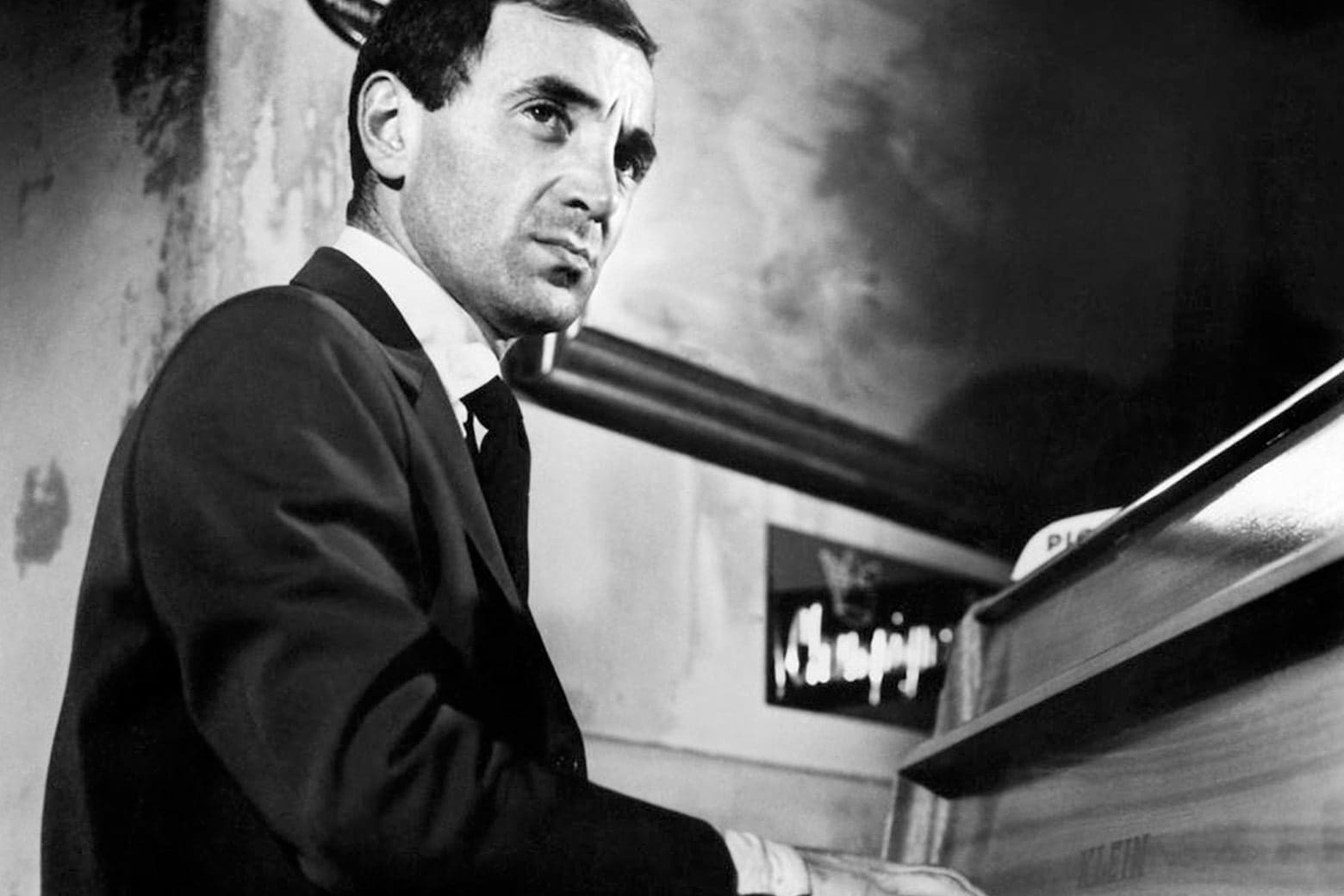
Jean-Pierre Melville’s stylish 1967 hitman flick Le Samouraï has danced down the decades, leaving its mark on everything from William Friedkin’s The French Connection, to Walter Hill’s The Driver (and, by extension, Nicolas Winding Refn’s homage, Drive), Jarmusch’s Ghost Dog, Anton Corbijn’s The American and the Coens’ No Country for Old Men. Even John Wick can trace its ancestry back to Le Samouraï, Keanu Reeves being a 21st century update on the lone wolf operator going into battle against forces known and unknown. The opening shot alone makes Le Samouraï noteworthy. A darkened room, a man lying on a bed. The camera does one of those perspective-altering Vertigo zooms, gets about halfway into … Read more

The Many Saints of Newark

Dickie (far right) and family

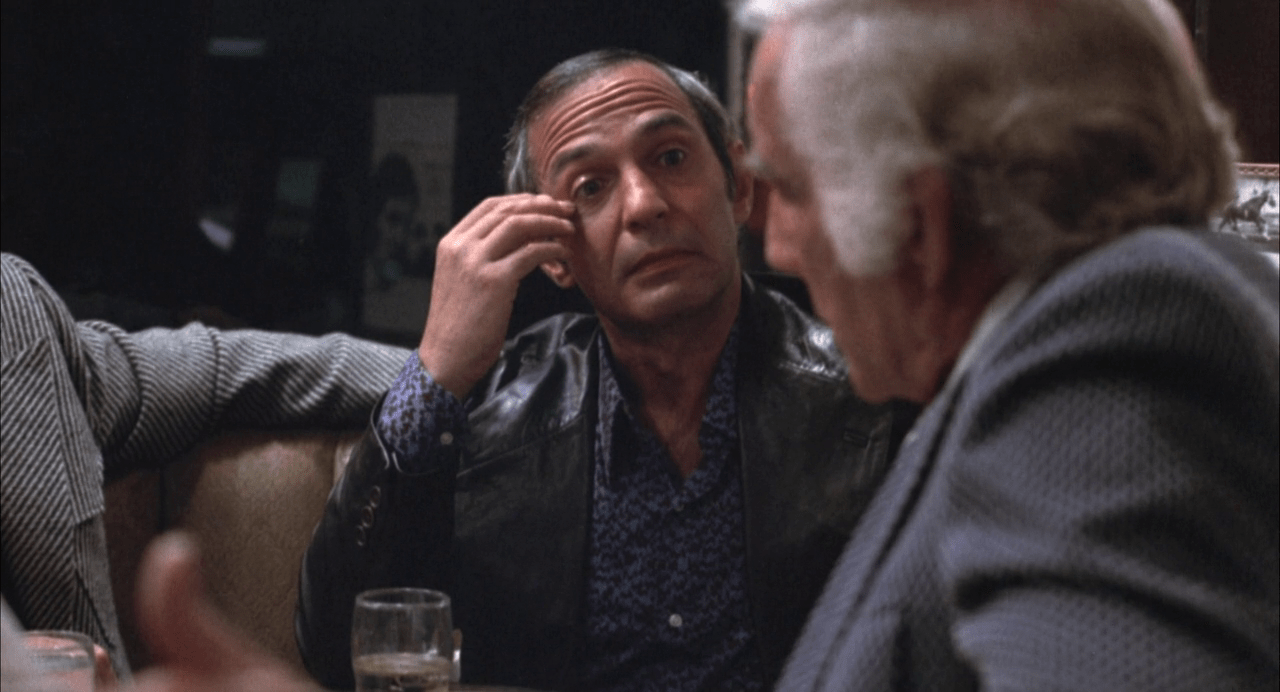
The pre-publicity for The Many Saints of Newark made much – all, actually – of the fact that this was the origin story of Tony Soprano, fictional mob boss and kingpin of the TV show The Sopranos. Take a quick look at the IMDb page and there, at the very top, the blurb says – “Witness the making of Tony Soprano.” The casting of Michael Gandolfini, son of James (who played Tony Soprano in the TV series), reinforced the idea – here’s how Tony Soprano became Tony Soprano. But. But. But. Whatever The Many Saints of Newark is, what it certainly isn’t is a film about Tony Soprano. He’s at best peripheral to … Read more

The Woman in the Window

Alice and the professor meet

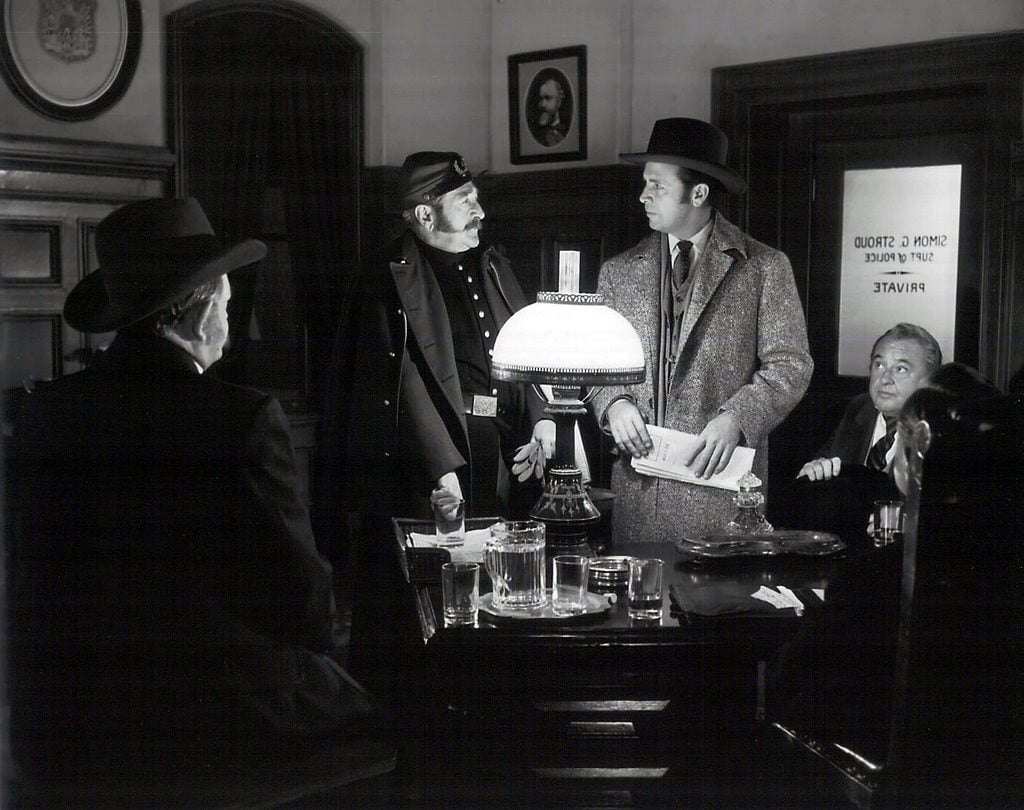
Not to be confused with the 2021 movie of the same name, 1944’s The Woman in the Window is the second of three film noirs Fritz Lang made with Joan Bennett and the first of two he’d make with Edward G Robinson. It’s a queer beast – noir with a plot trick picked up from The Wizard of Oz, a trick used so brilliantly it rescues what looks like a film that’s gone weirdly off the rails. Robinson plays the tweedy psychology professor called Richard, Dick to his friends – Sigmund Freud bubbles around beneath the surface of this plot and that name is no accident – who, while admiring a portrait of a … Read more

The French Dispatch

Bill Murray as the editor of the Dispatch

A middle finger to the haters, The French Dispatch finds an unrepentant Wes Anderson doubling down on the whimsy and pastiche of films like The Grand Budapest Hotel or The Life Aquatic with Steve Zissou. There’s more. An artist’s statement, done early on in Owen Wilson’s laconic voiceover, vouchsafes that “All grand beauties withhold their deepest secrets.” Secrets? Deepest? Anderson is all surface, surely? Anyhow, on to the Dispatch, which is an American magazine/supplement of New Yorker stripe run in the old way – a liberal institution headed by a steely eccentric (played by Bill Murray), never short of money and with enough space to contain at least one writer who doesn’t write, … Read more

La Bête Humaine

Jean Gabin and Simone Simon

In Emile Zola’s story La Bête Humaine, the “human beast” is train driver Jacques Lantier, a man whose family line is full of fuck-ups, alcoholics and brutes. He keeps his passions in check, just about, by focusing rigidly on his job, and in particular on his locomotive, which he calls by the female name Lison. There’s an intertitle card telling us all this at the start of Jean Renoir’s brilliant 1938 adaptation of the story. However, the “beast” of Renoir’s version might actually not be Lantier at all. Instead it could be Séverine, the lusty wife of a plodding stationmaster in Le Havre, where Lantier is forced to spend some time when his … Read more

The Worst Person in the World

Renate Reinsve

The Worst Person in the World is not about the worst person in the world, though it’s a good catchy title and so why not? Instead it’s about something that’s not so easy a sell – how to live the good life. The latest in a 20-year run of collaborations between director Joachim Trier and regular writing partner (and a director in his own right) Eskil Vogt, it follows dense, layered and intense films like Thelma, Louder Than Bombs and Blind with more of the same in a 12-chapter story about a smart, pretty young woman called Julie. At the end of each of Julie’s 12 steps she’s traded in what she had … Read more

You Only Live Once

Joan and Eddie on the run

Fritz Lang’s second Hollywood picture, You Only Live Once, was released in 1937, three years after the death of Bonnie and Clyde, and was the first movie to tell their story – sort of. A tale of bad luck and trouble rather than one of bad people doing bad things, it stars Henry Fonda and Sylvia Sidney as a couple in love – she a sweet girl who works for the Public Defender, he a threetime jailbird determined to go straight and make an honest woman of his wife-to-be but finding that society won’t give this sucker an even break. Blocked at every turn, Eddie (as Clyde is called here) turns back to … Read more