Santosh

Santosh out of uniform

The odd Indian eventuality of a cop’s wife taking his job if he dies in service is the driver of Santosh, documentarian Sandhya Suri’s feature debut, a fascinating and thrilling Serpico-style story of corruption, discrimination and the outsider/insider dynamic. Suri does it largely in documentary style. After a fly-on-the-wall introduction to Santosh, a widow threatened with destitution because her dead husband’s family have no interest in supporting her, we’re into the meat of the story – Santosh discovers there is a way for her to earn a living. Under the “compassionate recruitment” scheme, she is offered a faint simulacrum of her husband’s job – “lady police work” the officer interviewing her says. Once … Read more

Manon

Manon and Desgrieux on the run

Manon isn’t Henri-Georges Clouzot’s best film by a long stretch but it is a great example of how good he was at what he did. A richly detailed story about an amoral woman and the man she falls for, its interesting personal angle is that Clouzot is possibly using it to examine his own behaviour during wartime. The story is an updating of Manon Lescaut, by Abbé Prévost, a story familiar to most French people, who would also be familiar with the other “Manon” – Manon des Sources (which has also been turned into a film several times). Not to be confused. Prévost’s story remains popular because there’s sex and scandal aplenty in … Read more

40 Acres

A silhouetted figure with an assult rifle

Prepping for the apocalypse seems to be mostly a white thing. 40 Acres rebalances things a touch. A paranoid survivalist drama set in a world where the “animal biosphere” has been killed off by a pandemic, and a civil war has further screwed things up, most of it plays out in a compound where a non-white family headed by Danielle Deadwyler’s Hailey and Michael Greyeyes’s Galen try to put some some semblance of life back together while fending off attacks from beyond the stockade perimeter. That “40 Acres” alerts us that something racial going on here. It’s a reference to the 40 acres and a mule promised to freed slaves during the American … Read more

Blues in the Night

The band all together playing

A jazzy, noirish take on the “getting the band together” drama, Blues in the Night benefits from crisp images and snappy dialogue. On the downside, everyone in it is about ten years too old for their role, there is quite a lot of “hep cat daddio” slang to digest and the racial politics are a mess. But if you can take the rough with the smooth, it’s bright and well paced, with a good plot, interesting acting and even a few good tunes – look on it as a semi-musical, maybe. It’s also the film that convinced Elia Kazan to pack in acting and take up directing. He says he was convinced he … Read more

Dying

Ellen looking to the heavens

How’s this for an opening shot. An old woman in distress on the floor in her nightie, shit down one of her legs; behind her an old guy jigging dementedly, naked beneath his open blue shirt, genitals flapping in the breeze. Dying (Sterben in its original German) is billed in some quarters as a black comedy. Brown might be closer to the mark. It’s a very, very dark colour either way. Find your jollies where you can with this one. A companion piece to Michael Haneke’s Amour, maybe, it paints a bleak picture of old age, and follows the two oldsters, Lissy and Gerd – she still just about keeping up appearances, he … Read more

Stranger on the Third Floor

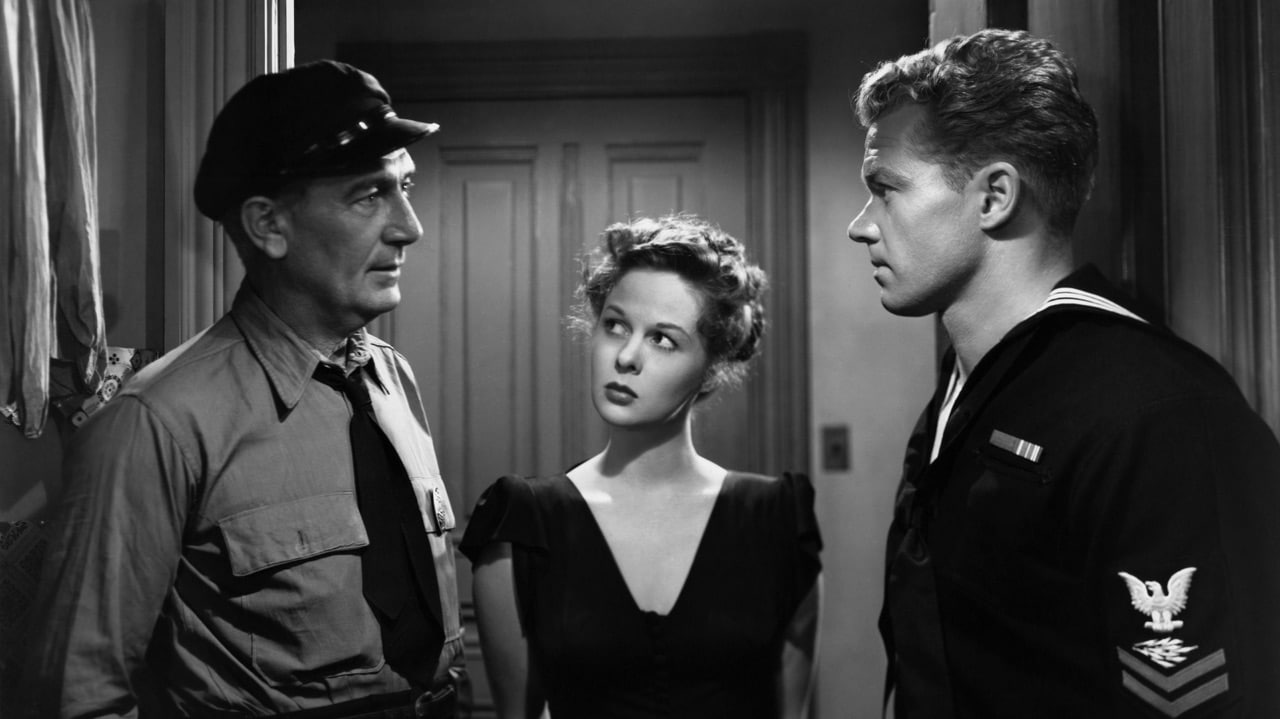
An extravagantly lit John McGuire

Peter Lorre is top-billed but he’s really just the seasoning in Stranger on the Third Floor, often described as the first film noir. Lorre owed RKO a couple of days on his contract and so got shoe-horned into Boris Ingster’s directorial debut, bumping John McGuire from poll position. The film doesn’t need Lorre to work, but he adds off-whack flavour to the portrayal of an escaped lunatic – a scant handful of scenes, not that much to get excited about. In 64 tight minutes, Ingster, cinematographer Nicholas Musuraca and writer Frank Partos do two remarkable things. First, they make a thematic break with the crime movies that came before to deliver an indictment … Read more

Wish You Were Here

Charlotte and Adam

So you’re Julia Stiles and you decide to have a crack at directing a feature film. Wish You Were Here is the result, and, well well, if it isn’t a mash-up of precisely the sort of films Stiles used to star in when she was starting out, rom-com, girl-next-door, travails-of-the-teen-spirit-y kind of stuff – Ten Things I Hate about You most notably. She also wrote Wish You Were Here so this choice is clearly deliberate. Possibly Stiles is laying ghosts to rest or laughing at herself, it’s hard to say. What is clear is that her film is a mess until it properly works out which of the various early-Stiles-adjacent genres it really … Read more

Dekalog

The teenage peeping tom in Dekalog Six

Ten shortish films loosely working their way through the Ten Commandments, director Krzysztof Kieslowśki and co-writer Krzysztof Piesiewicz’s epic Dekalog made its TV debut in December 1989, as Poland was shaking off its Soviet overlords, and was instantly hailed as a masterpiece. Time has polished its legend and it’s still regularly cited as one of the greatest… TV shows or movie collections, take your pick. The whole ten-parter is set in and around one bleak Warsaw tower block, where people come and go, lives are lived and little moral dilemmas play out. In the first one, which lays out the stall, a prescient story about transcendental spirituality and the consciousness (or otherwise) of … Read more

The Lost Bus

Driver Kevin behind the wheel while fire rages outside

Paul Greengrass’s first film for five years is about a bus you definitely wouldn’t want to catch. The Lost Bus transports him and us back to the quasi-disaster-movie style of United 93, his 9/11 movie. It’s about a real-life disaster – 85 people dead, 50,000 evacuated in the 2018 Camp Fire, one of the deadliest in California’s history. In disaster-movie fashion we get to know our hero, the driver of a yellow school bus, on a fairly typical day. Kevin is nearing the end of his tether – can’t seem to get on the right side of bus company management, struggling with a sick mother at home, an estranged wife who hates him, a … Read more

Lacombe Lucien

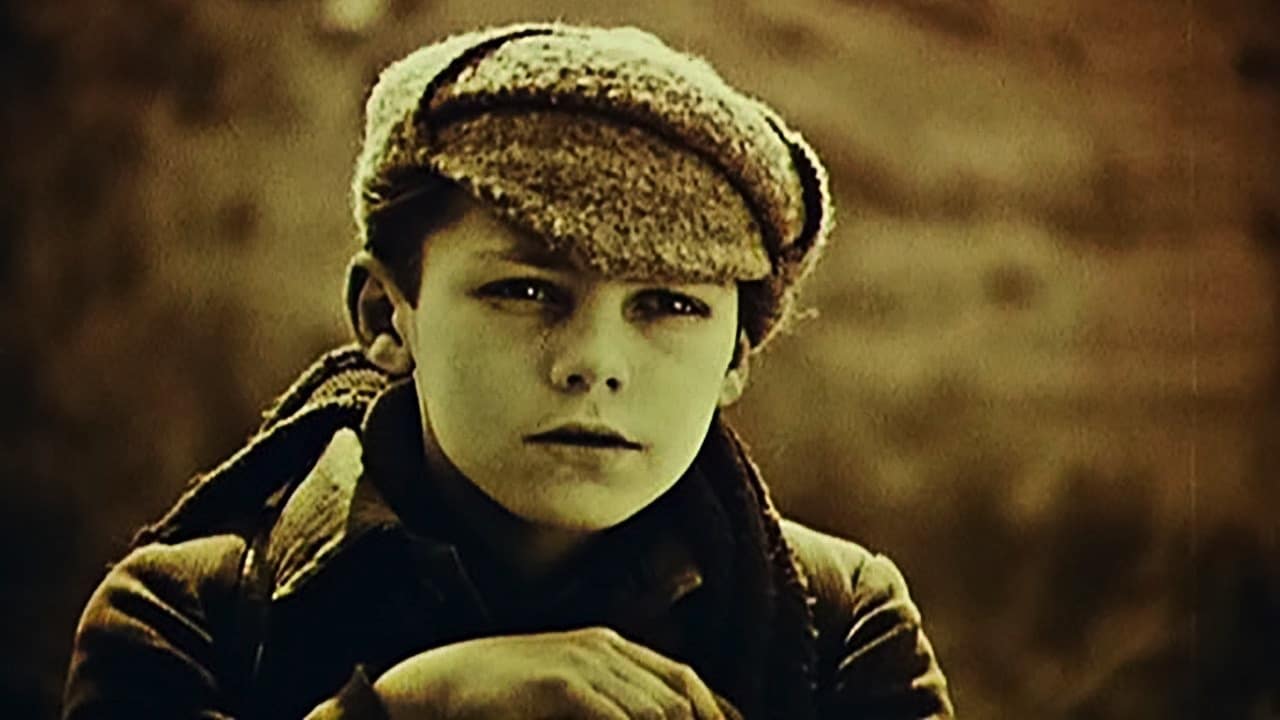
Close up of Pierre Blaise as Lucien

En route to winning the Nobel prize for literature in 2014, Patrick Modiano co-wrote Lacombe Lucien with Louis Malle, not only a pitiless study of sociopathic human behaviour but a rebuttal of the dearly held notion in France that amost everyone during the Second World War was in the Resistance. It did not go down well with French critics when it came out in 1974, who saw Modiano and Malle’s portrait of young Lucien Lacombe for what it was – a barely coded indictment of the motherland. It’s massively immersive, as no one ever said back then, and invites audiences to slip into its world as if into a great novel. Against a … Read more