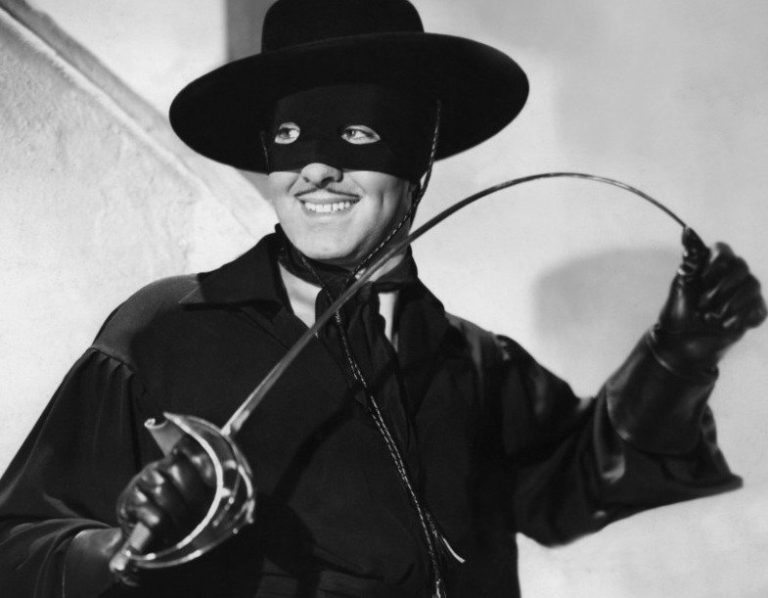
Popular Reviews
Four Sided Triangle
Four Sided Triangle is a British B movie from 1953. That’s two if not three knocks against it straight away. Look it up in the books and you’ll see it generally doesn’t get very good reviews. And yet it’s a really interesting film from all sorts of approaches. It’s a kind of tweedy Frankenstein story, set in the bucolic English countryside, and introduced by a decent chap, a local doctor (James Hayter) who with rounded vowel sounds and in a voice like warm gravel recounts the story of two boys and a girl. Perhaps Robin and Bill were rivals for Lena’s affection even as kids, the flashback structure tells us, before Dr Harvey … Read more
10 August 2015-08-10
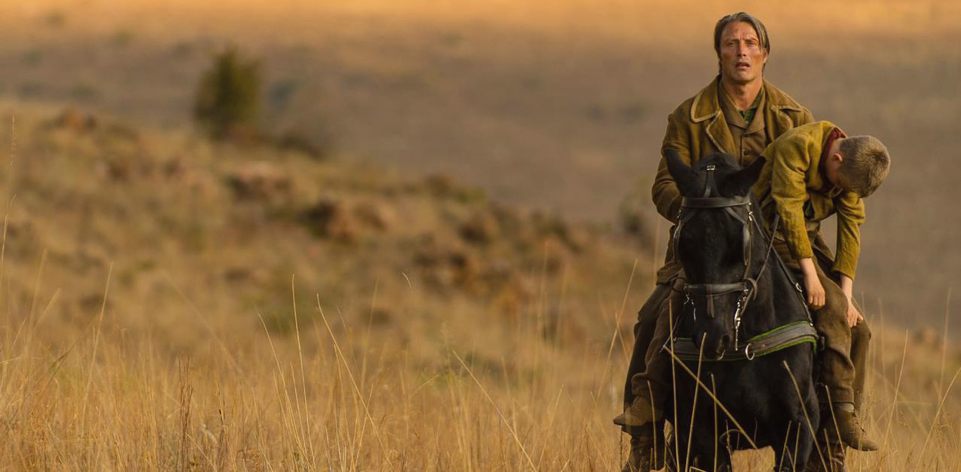
Out This Week The Salvation (Warner, cert 15) Having made his name with austere Dogma films, Kristian Levring makes clear he’s more than a one trick pony with a film that pulls every “big movie” trick available – lighting, cameras, costumes, location and sound are all used to the max in a lavish western that sees Mads Mikkelsen striking Clint Eastwood poses as he tries to gain revenge for the death of his wife and child. One of the best modern westerns thematically, technically, artistically and in terms of pure entertainment, it references the medical violence of Peckinpah, the masculine codes of Aldrich, the operatics of Leone and the spartan ruggedness of John Ford, … Read more

Greek Pete
Andrew Haigh’s debut feature Greek Pete, a biographical “year in the life” of a London rentboy, takes the documentary form and gives it a good pounding. Pete is an early-20s dark-haired, nice-looking guy who loves to talk. We meet him as if we’re eavesdropping, from a distance, through a doorway. He’s on a sofa with a client chatting. The client’s face is fuzzed out. The two men pull relaxed poses as they make small talk about Pete’s background. Then Haigh’s camera cuts to “later that night”, now less the eavesdropper and more the Peeping Tom, as Pete gives the client a severe anal rogering. Cuts again to a neon-speckled club where Pete is … Read more
Operation Cross Eagles
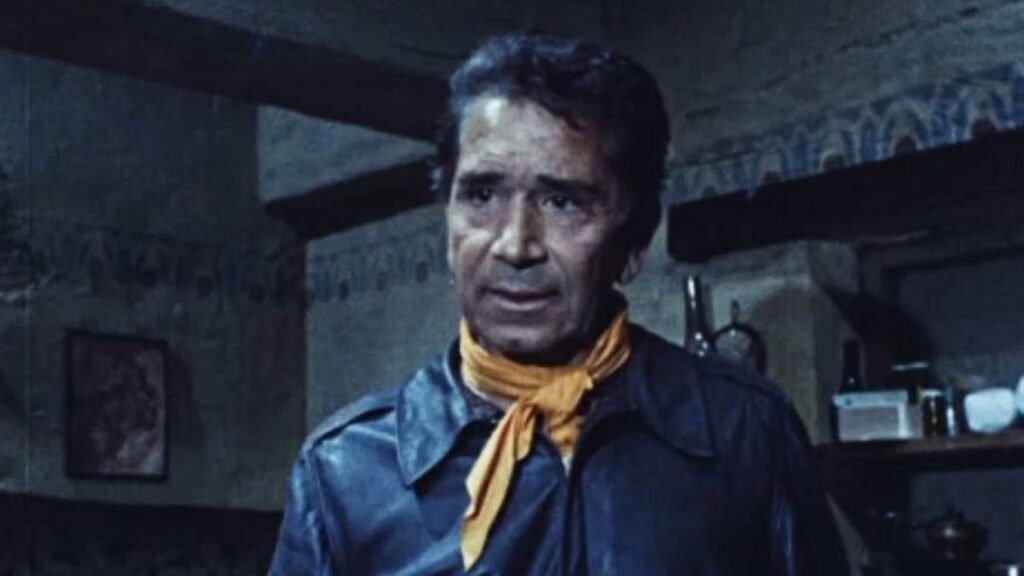
Operation Cross Eagles is the only film Richard Conte ever directed. Great at playing bad guys and constipated good guys, in Conte’s one and only go calling the shots he never quite works out what he’s meant to do with the camera and the film is a bit of a mess. That said, it is a fine example of a particular type of movie made at a particular time and came out the same year as Where Eagles Dare, 1968, which does the same thing but better. We’re talking not just about the adventure movie but about the adventure movie stacked with ageing thespians, in reality too old for the action hijinks their … Read more

The Outfit
Why didn’t someone think of it sooner? The Outfit – could be a criminal organisation, could be something you’d wear. How about writing a drama that conflates and confuses the two, and make it about… er… a tailor who somehow gets caught up in the work of a criminal establishment. The conceit is worn transparent in Graham Moore’s debut as a feature director. Like a bespoke suit this is a handsomely assembled item, made from fine materials and put together with care and a conservative eye. It’s also more than slightly theatrical, and it would be easy to imagine events playing out in a darkened small theatre. Events? A bit of plot. We meet … Read more
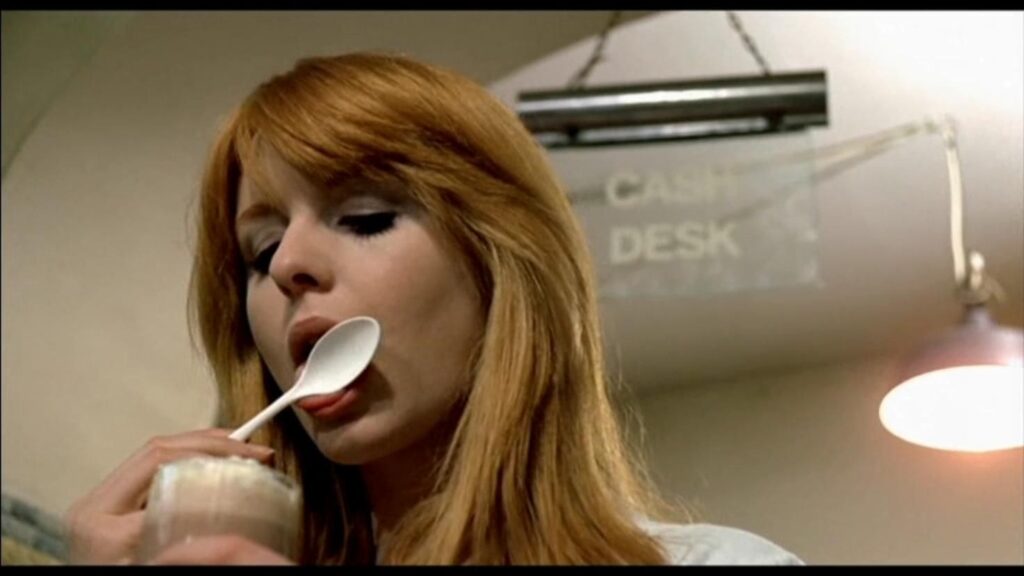
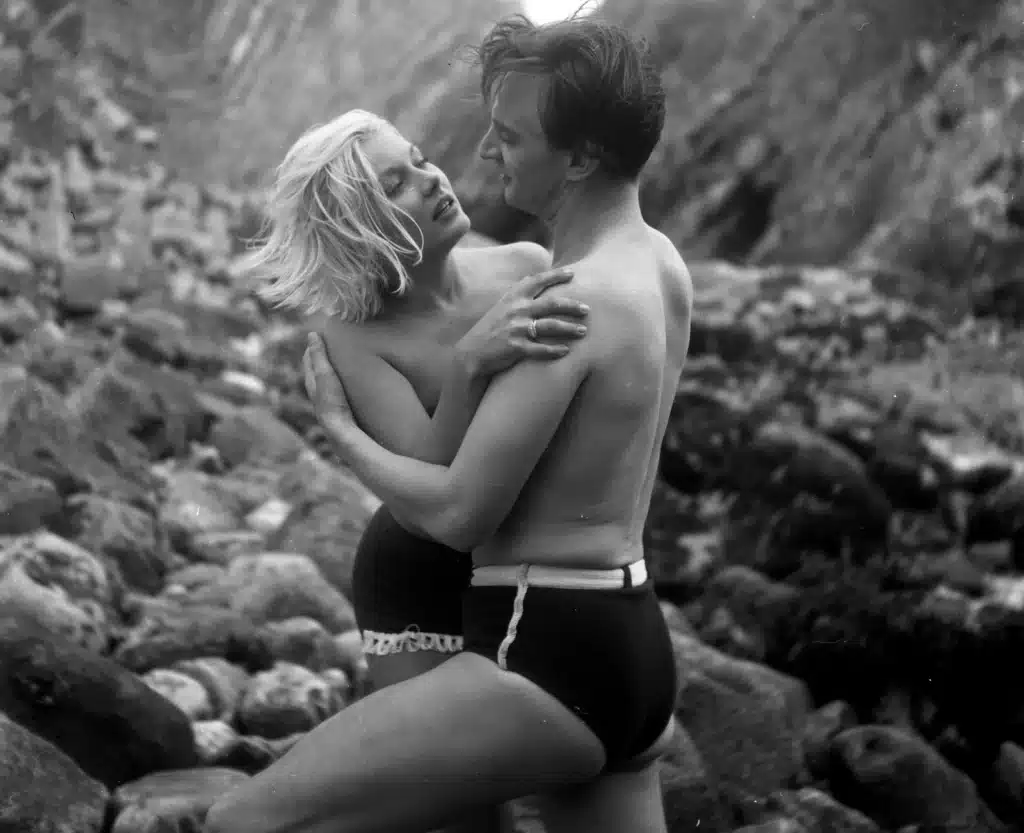
Deep End
Jerzy Skolimowski, en route to America from his native Poland, stopped off in the UK in 1969 to make Deep End, a strange blend of farce with something much darker, a tale of stalking done almost as a sex comedy. It’s the story of an impressionable 15-year-old lad, Mike, who gets a job at a public baths – the sort that has both swimming and bathing, in “slipper baths” – and falls very hard for co-worker Susan, a young woman a few years older than him but way ahead of him in all the things that matter, most obviously sex. Mike is played by the pretty John Moulder-Brown, Susan by Jane Asher at her … Read more

Foxhole
Seven key players are spun through three different related scenarios in Foxhole, writer/director Jack Fessenden’s experimental-theatre approach to film-making. There’s more than a blank stage and a couple of chairs, but not much. As if to prove that statement nuts, Fessenden opens with an overhead shot of a mass of dead bodies on a battlefield in what, it becomes apparent, is the American Civil War. The fog of war here is literal, the air is thick, visibility is low. The camera comes to rest on a foxhole where a bunch of Union soldiers are digging themselves in and trading the sort of dialogue that soldiers trade in – testing the boundaries of insubordination, … Read more
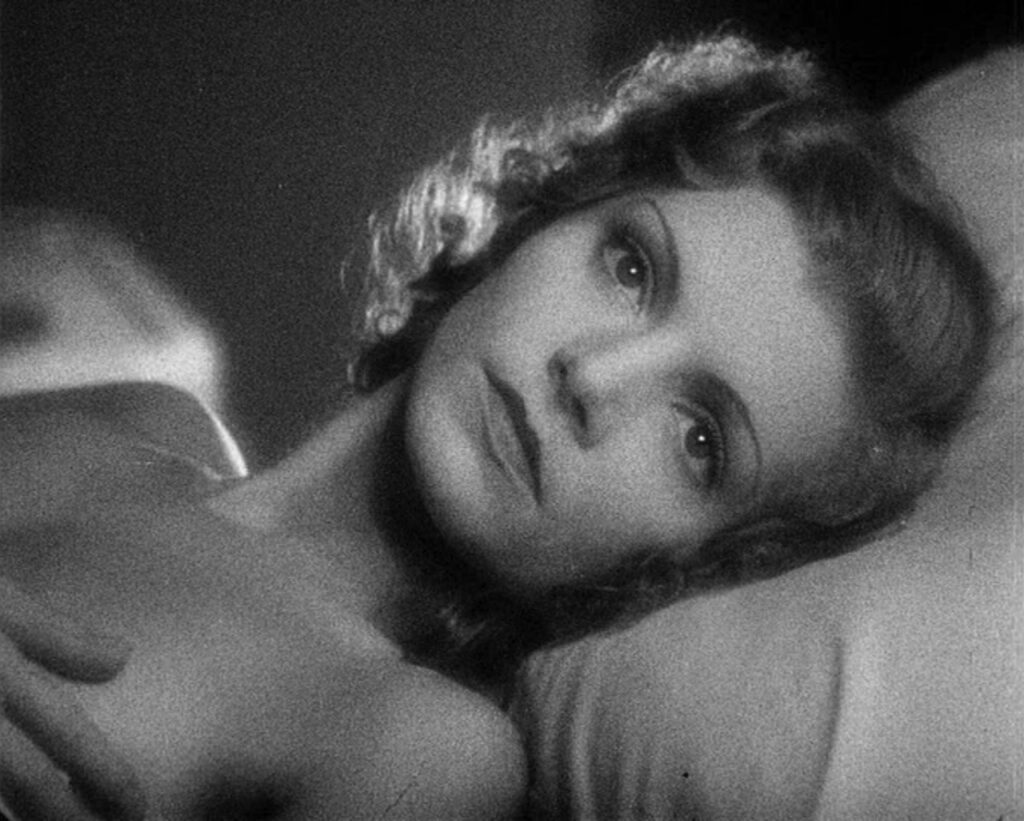
Deluge
For anyone convinced post-apocalyptic movies are a recent phenomenon, here’s Deluge, a remarkable film from 1933. It’s got all the stuff you might expect from a big disaster movie and some thoughtful stuff you might not. Some of it you might even recognise – the makers of The Day After Tomorrow paid direct homage to this movie when they destroyed New York with a massive tsunami. Like The Day After Tomorrow we’re dropped down right in the middle of things. The film opens with a breakneck montage. The barometer is dropping and scientists are expressing concern. Ships are being called back to port, planes and airships (gratifyingly 1930s) are being grounded. As the … Read more

Séraphine
A movie for every day of the year – a good one 13 May Julian of Norwich’s visions, 1373 On this day in 1373, a woman who lived in Norwich recovered from an unspecified illness during which she had started seeing visions of Jesus Christ. The illness had been serious and she had not been expected to survive. As a result of making the unexpected recovery the woman became an anchoress (ie a hermit who lived in a cell attached – anchored – to a church). No one knows what her name was, but because the church she was anchored to was called St Julian’s, she became known as Julian of Norwich. She … Read more
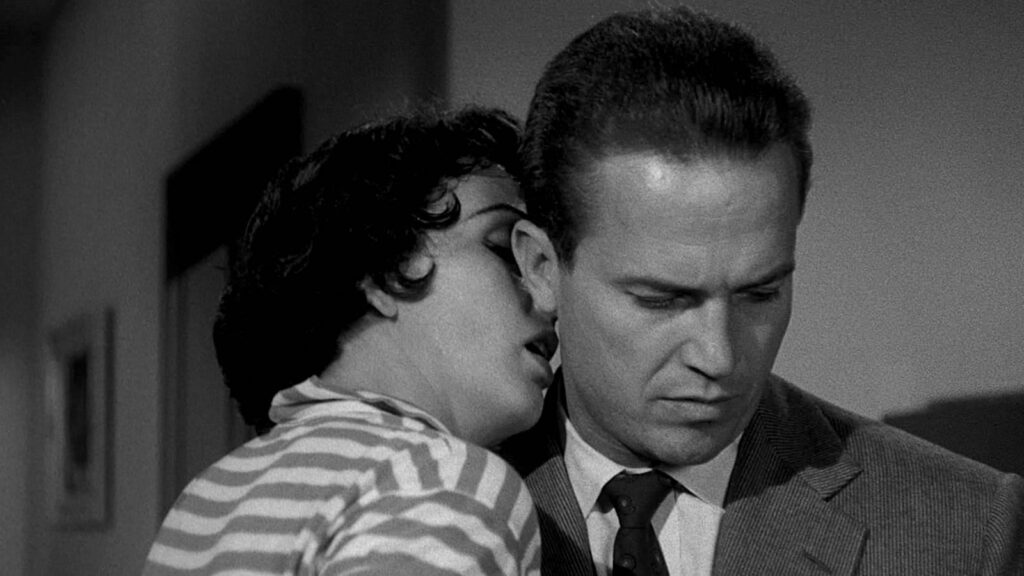
Kiss Me Deadly
Here’s Kiss Me Deadly, the American film that gave birth to the French New Wave, or so said both Jean-Luc Godard and François Truffaut, so that’s a claim made with some authority. It starts with a terrified woman flagging down a car containing private eye Mike Hammer and ends with another woman who opens a box containing nuclear material and bursts instantly into flames. In between one of the most abjectly nihilistic of the noirs, with not a smidgeon of light relief, not a smile, very little in the way of social nicety, and a detective who takes on a case not because he’s crusading for justice but rather, we sense, because there’s … Read more
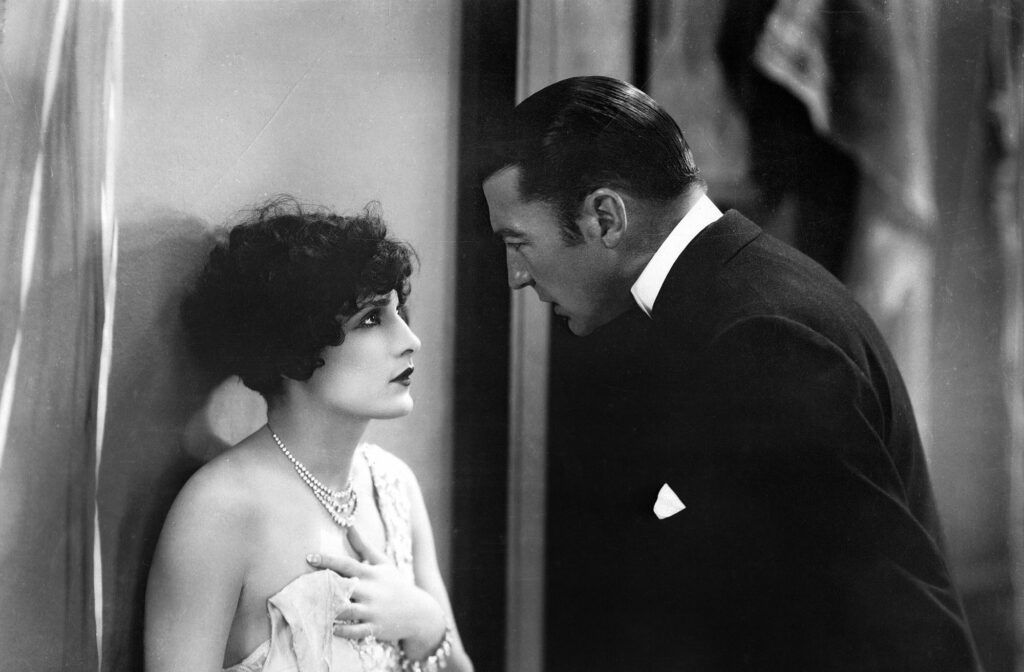
Underworld
1927’s Underworld is often described as the first gangster movie, or the first film noir. It’s neither really, but it’s easy to see why the tags stick. It is undeniably the movie that kicked off the gangster craze in the late 1920s and early 1930s and there’s enough moody lighting in it to tick any number of noir boxes. But really it’s a tale of doomed romance, the story of a gangster’s moll caught between not two but three men – her original guy, who she wants to do right by, a psychopathic rival, and the guy she falls for. For a silent movie it has a lot of psychological nuance, though the … Read more
El Cochecito
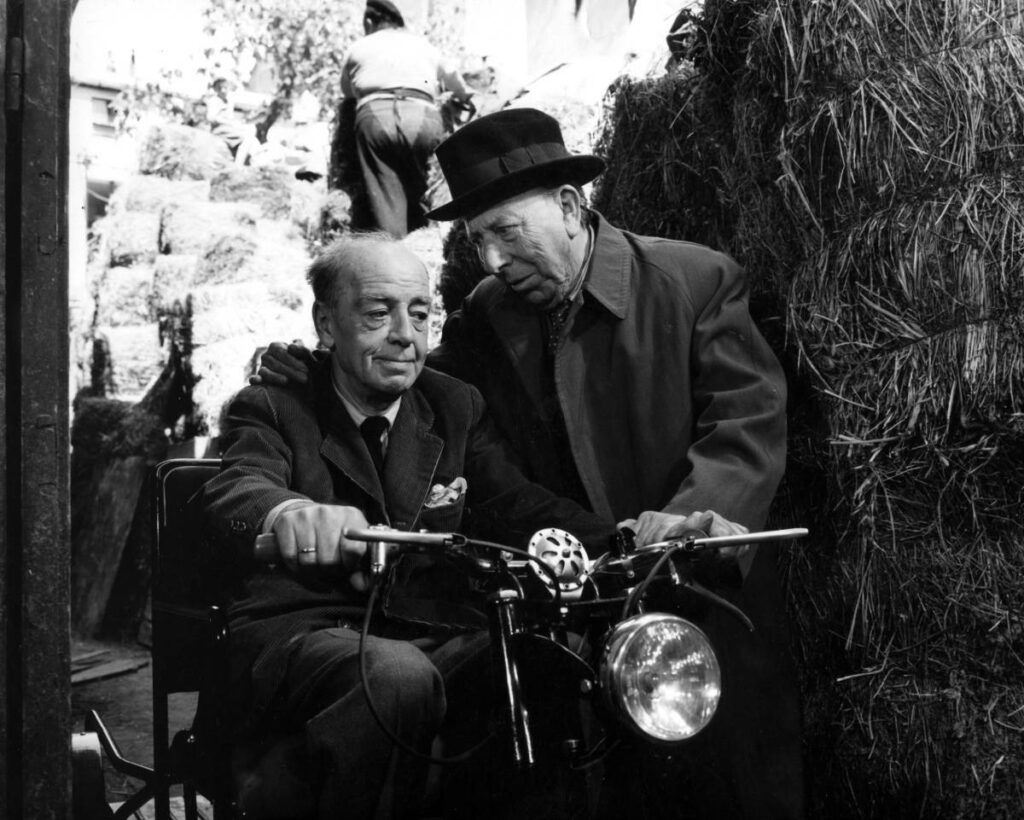
There aren’t many films called El Cochecito. That’s the Spanish title. In English it goes by the title The Wheelchair. There aren’t many films with that title either. A wheelchair is not aspirational, it’s not something people covet. (As for The Little Coach, which the film sometimes flies by, no one even knows what that is.) But the main character in El Cochecito really does aspire to own one, which makes him an unusual character. But then this is a very unusual film. Rather than confinement, the wheelchair seems to Anselmo Proharán to offer freedom, escape. He’s a retired man, a somebody back in the day, a widower who now lives with his … Read more