Drive My Car

Yûsuke and his driver Misaki

Ryûsuke Hamaguchi delivered two chunky movies in 2021. The three hour Drive My Car followed hot on the heels of Wheel of Fortune and Fantasy. Both movies are interested in identity and the way humans sometimes make use of lies in order to access truth. It’s a case of the theatre director, his driver, his wife and her lover, with the slightly hangdog Hidetoshi Nishijima playing Yûsuke, the grieving actor-turned-director trying to put on a production of Uncle Vanya with a cast using his celebrated avant-garde methods – different people talking in different languages (including one actor using Korean sign language). It’s a metaphor for the gulf between speech and meaning – language … Read more
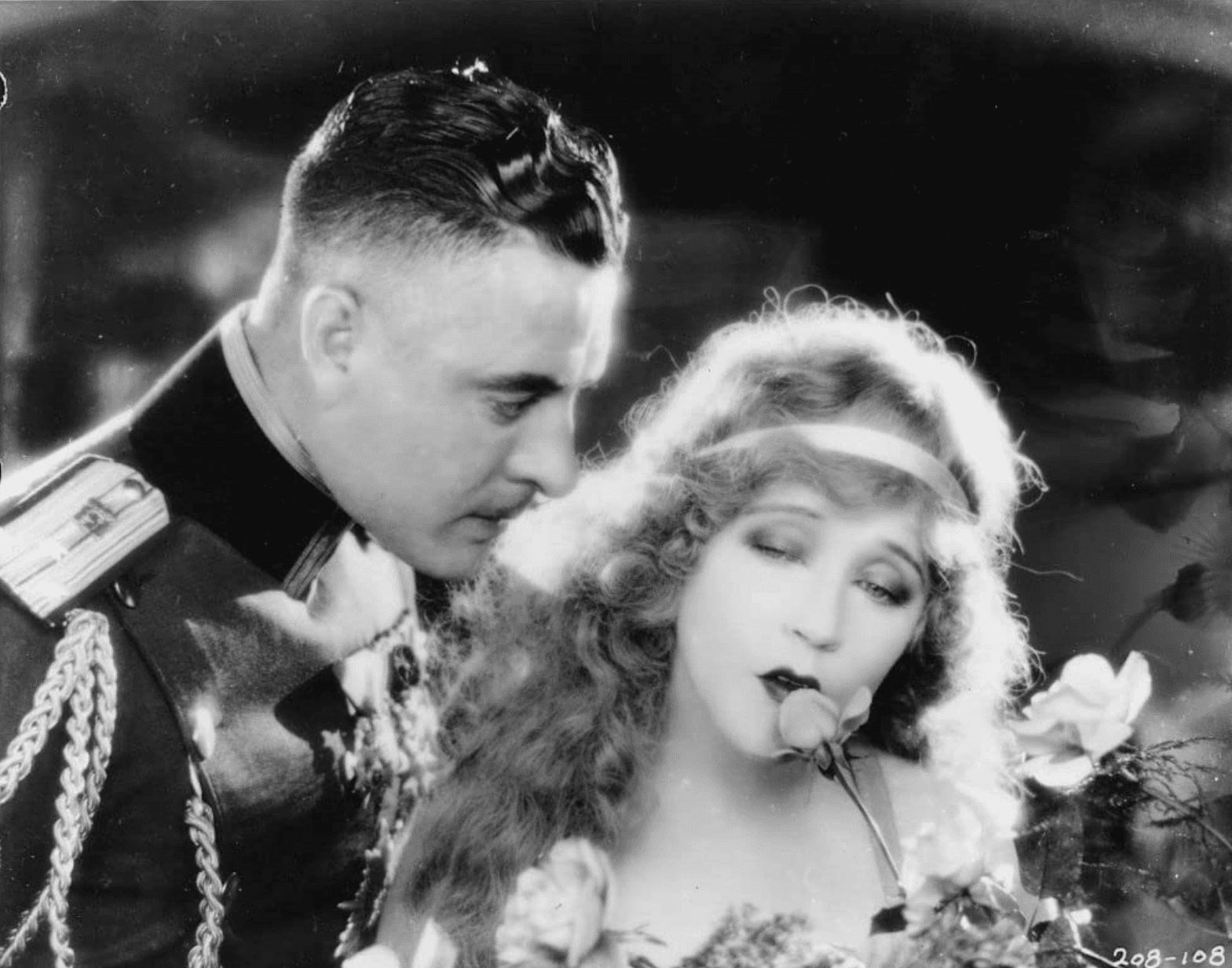
The Merry Widow

John Gilbert and Mae Murray

The Merry Widow. In the 21st century the title creaks and the concepts of merriness and widowhood seem strangely out of step with modern life. And yet, 100 years ago The Merry Widow was quite the thing. The huge success of Franz Lehar’s 1905 operetta is what prompted film versions, which popped up regularly in the early decades of the 20th century. First up was Michael Kertézs’s 1918 version, made in Hungary before the director emigrated to the United States, where a name change to Michael Curtiz and a long career (including Casablanca and Mildred Pierce) awaited. The IMDb is currently describing Curtiz’s Merry Widow as a musical, which is quite bizarre considering … Read more

Nun of That

Sister Wrath in habit, with gun

A film called Nun of That with the tagline “A blast for you and a blasphemy”? That’s two good reasons to watch right there. A third is that this is a funny (scrappy, admittedly) film wandering all over the dividing line between exploitation and satire. The action gets going in a strip club where a hitwoman disguised as a poledancing nun is shaking her ass at a roomful of appalled gangsters. These guys have all been raised as good Catholic boys and the sight of a gyrating bride of Christ is not helping the spaghetti and meatballs go down. Relief, of a sort, soon arrives, when the nun pulls out an automatic weapon … Read more

To Be or Not to Be

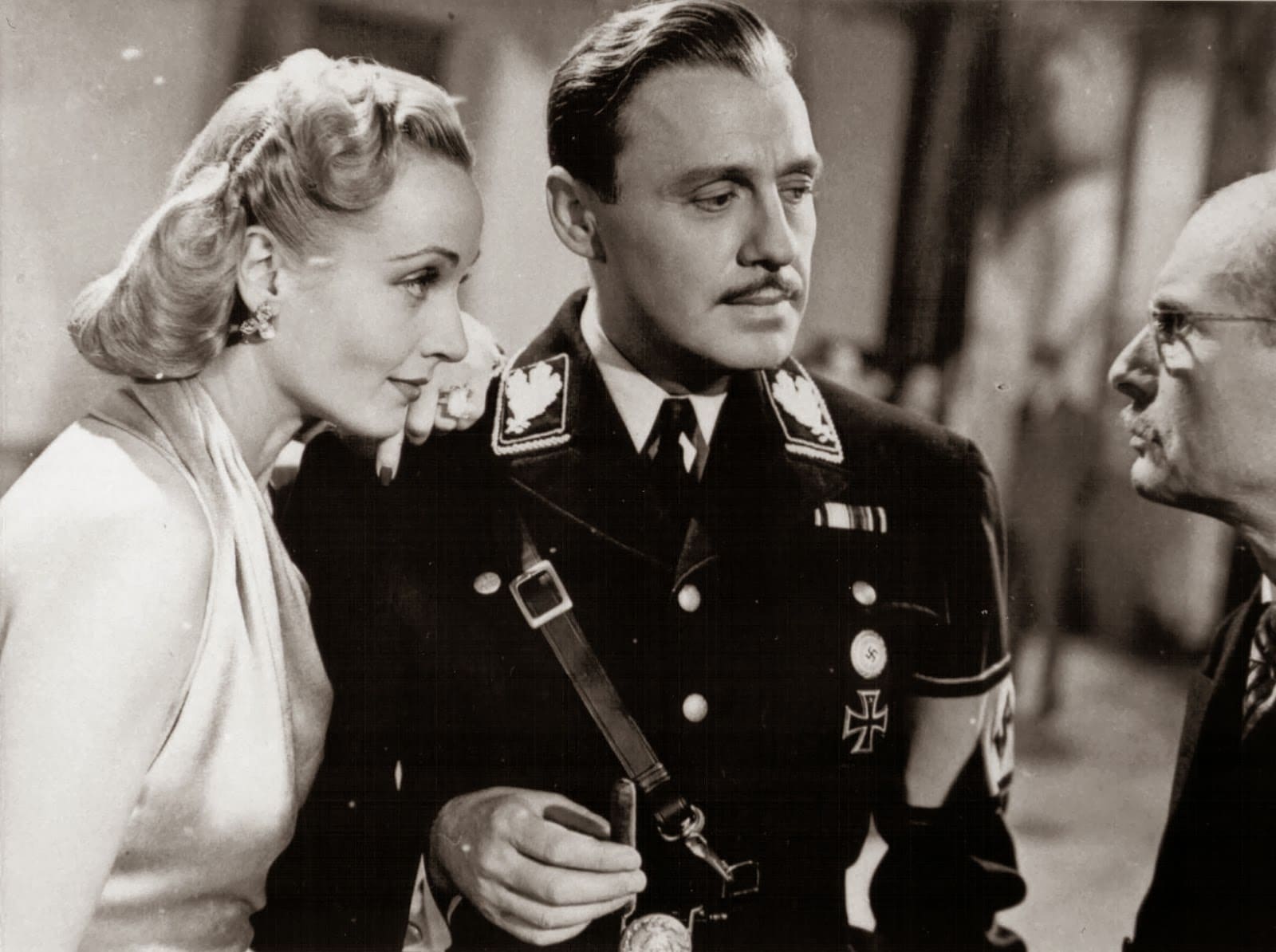
Carole Lombard and Jack Benny

Farcical Nazis. Nearly 30 years before Mel Brooks had a go in The Producers, here’s To Be or Not to Be, in which Ernst Lubitsch lays down the template. The comparisons are not endless, but in one respect 1942’s To Be or Not to Be does mimic The Producers – it’s set in the world of the theatre, itself a good target for comedy, which is where most of the laughs come from for the first chunk of the film. We’re in Poland, just before the outbreak of the Second World War, where a theatrical troupe is putting on nightly shows of Hamlet while rehearsing their next show, an anti-Nazi piece called Gestapo. … Read more

The Power of the Dog

Phil on a horse

The Power of the Dog makes it five films in nearly 30 years for Jane Campion, plus a TV series and a handful of shorts. She’s not exactly banging them out. And taken at the level of the individual film you’d never accuse Campion of being in a rush either. It’s Slow Cinema, almost, storytelling done at a languid pace, the power coming from the meditative approach, whether it’s The Piano or In the Cut or Bright Star. Not everyone’s cup of well brewed tea. But here we are, a western, centring on two brothers, Phil (Benedict Cumberbatch) and George (Jesse Plemons) who run a massive ranch in the 1920s. The influence of … Read more

Late Spring

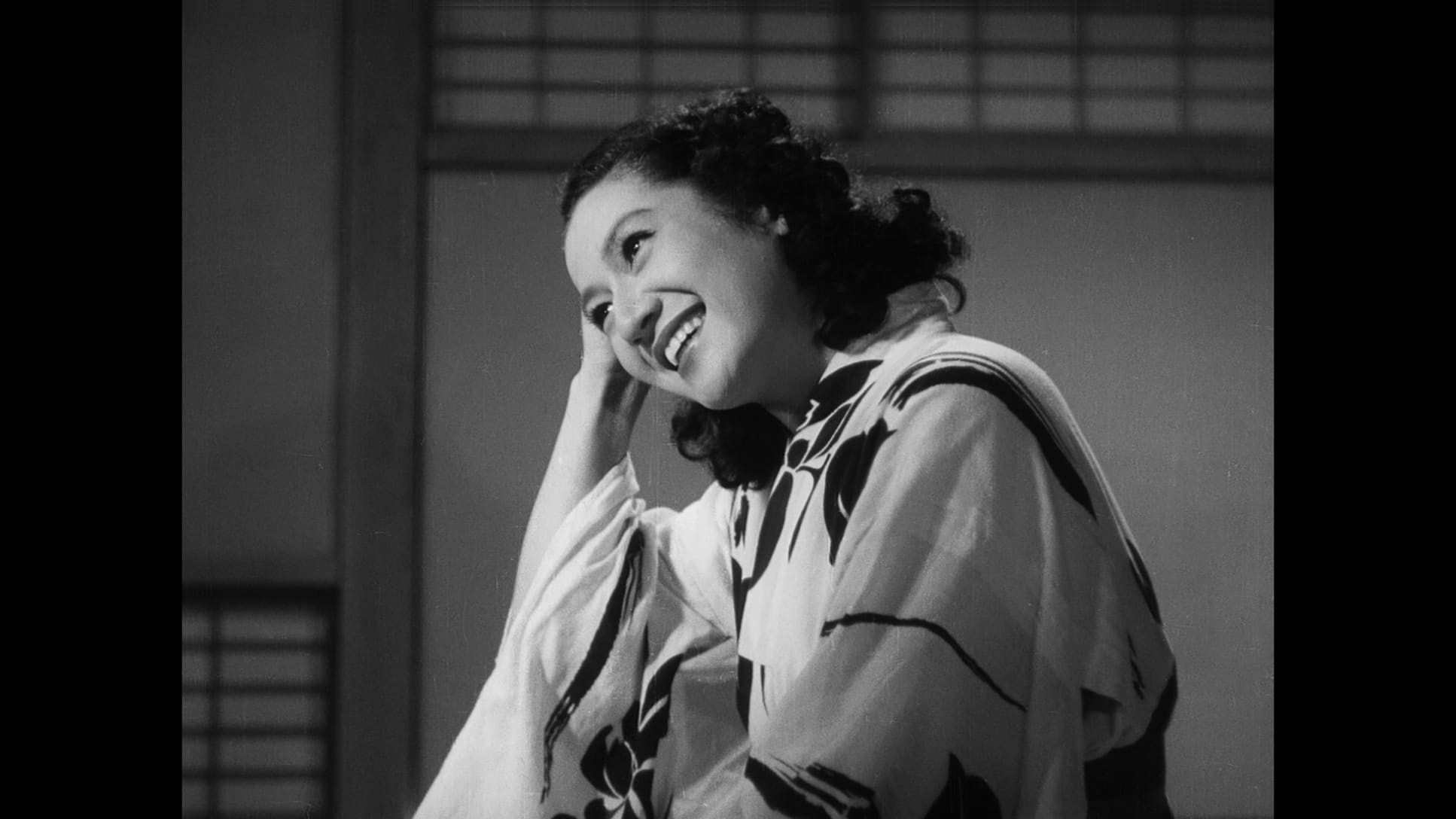
Noriko laughs

Late Spring is the title and late spring is the condition of its central character, a woman who, at the advanced age of 27, is almost too old for marriage – she’s in the late spring of her adult life. It’s 1949 and in Japan the American occupiers are running the show after the end of the Second World War. 27-year-old Noriko is the smiling, gracious, pretty and dutiful daughter of kindly widower Shukichi (Chishû Ryû). As far as he’s concerned she’s perfect in every way except one – she really doesn’t want to marry. When Noriko meets one of her father’s old colleagues, a man who has recently remarried, she tells him that … Read more

Hinterland

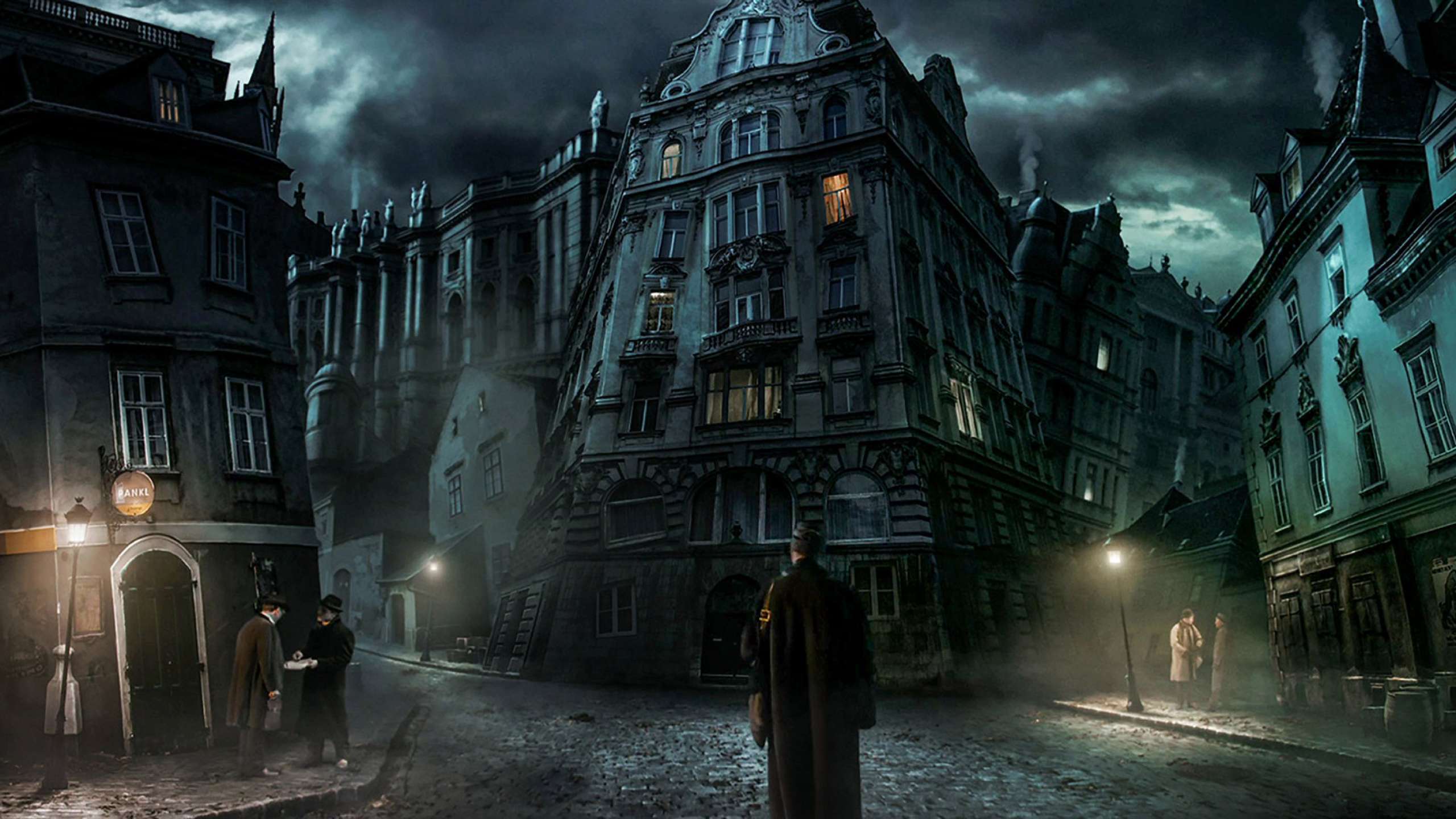
Detail of the expressionist set design

Horizons aslant, perspectives askew, Hinterland borrows freely from German Expressionist cinema to put a new (old) spin on familiar material. “The war is lost,” intones a sombre voice in German as the lights come up. We’re in Austria after the First World War where a soldier just back from an extended stretch in a Soviet prisoner of war camp is acclimatising himself to life back in Vienna. He was a cop before the war and now he’s back on home turf he’d like to be again. Which is handy because there’s a killer on the loose, offing people in floridly extravagant ways – one man pinioned to a post by a large number … Read more

The Sicilian Clan

Lino Ventura, Jean Gabin, Alain Delon

The golden age of hijacking (1968-1972) was just peaking in 1969 when The Sicilian Clan (Le Clan des Siciliens) debuted, a French heist movie itself hijacked – twice! – by a plot involving the illegal commandeering of a plane and by a superannuated screen star who really shouldn’t be in it. It’s really, at bottom, one of those heist movies in which security cameras, pressure sensors, alarms, iron bars, motion sensors and all the modern security paraphernalia have to be overcome by a gang smart and greedy enough to have a go. And that looks to be exactly what we’re getting as first our main guy, Roger Sartet (Alain Delon), is introduced, a … Read more

Ennio

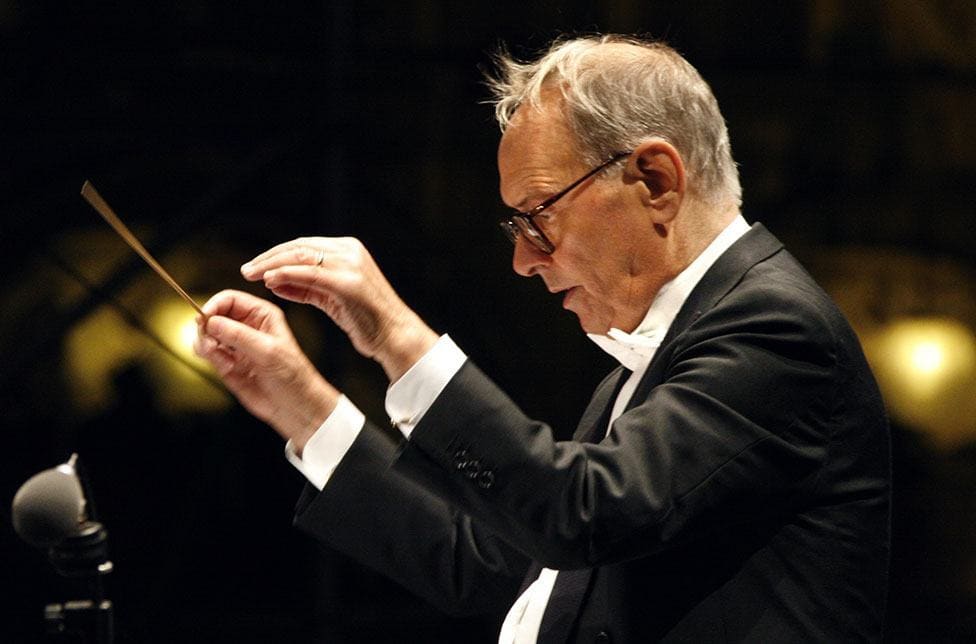
Ennio Morricone on the podium

Whether you call this long and detailed documentary Ennio: The Glance of Music or Ennio: The Maestro, or just plain old Ennio – all three titles seem to be out there – one thing remains constant. It’s a love letter to one of the most famous film composers who ever lived. It’s directed by Giussepe Tornatore, a master of the billet doux – see Cinema Paradiso – and he brings a picturesque film-maker’s eye to bear on his subject. There’s lovely lighting, a breezy narrative structure and rhythmic editing, and Tornatore carefully montages together the standard-issue clips and reminiscence elements to lift this documentary onto another level. It’s a labour of love. It’s … Read more

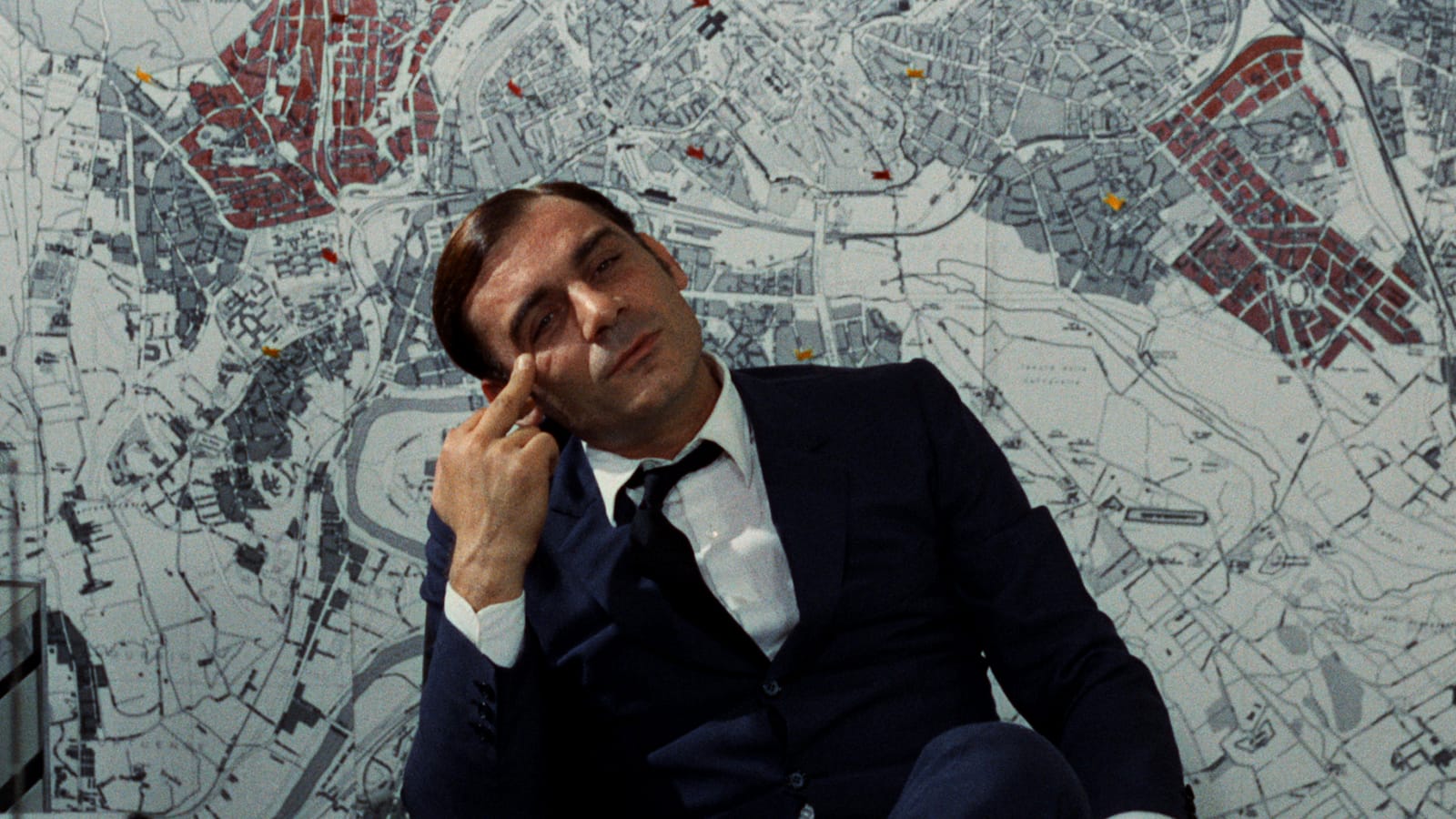
Investigation of a Citizen above Suspicion

Gian Maria Volonté

The twang of a jew’s harp is the first sound you hear in 1970’s Investigation of a Citizen above Suspicion. “BOING,” it goes, slightly ridiculously, the soundtrack of Ennio Morricone (who else?) instantly setting the tone for the entire film, an uneasy mix of the absurd and the satirical. Meanwhile, on screen, a handsome man’s man (Gian Maria Volontè) in a smart cream suit is arriving at the apartment of a beautiful woman (Florinda Bolkan) who is clad in a kaftan and little else. “How are you going to kill me this time?” she purrs. Clearly this “killing” is all part of some sex game they play, he the killer, she the victim. … Read more

Popular Posts