
This heist-gone-wrong movie starts with a heist going wrong. 1953’s Crime Wave (aka The City Is Dark) is a B movie and wastes no time hanging around. The setup is classic – within scant minutes of opening a cop is dead, one of the bad guys is in urgent need of a doctor and the heisters are on the run with the law on their tail.
Meanwhile, across town another classic ingredient, the ex-con trying to go straight but being dragged back towards crime, first by the wounded man arriving at his door, then by the bent doctor who arrives to patch him up, and finally by the fugitive bad guys themselves.
Studio boss Jack Warner wanted Humphrey Bogart for the main role of Detective Sims, or so the rumour mill says. Which makes no sense at all, unless Warner had bigger plans for Crime Wave than as a 73-minute warm-up for the main movie. Director André De Toth held out for Sterling Hayden, and prevailed. It’s the right decision. Bogey comes with way too much baggage for this role, which Hayden fits to a T. It’s not too much of a role, truth be told, but Hayden doesn’t overplay it and even amplifies it a touch with a little tic. Detective Sims is trying to give up smoking and spends the entire movie with a toothpick in his mouth, as a cigarette substitute.
In the other roles, the slightly wan Gene Nelson, a song and dance man perhaps hoping this film would do for him what Murder, My Sweet did for crooner Dick Powell in 1944. No such luck, but he’s not bad as the ex-lag hoping to get at least half an even break but finding himself in trouble when real case-hardened criminals turn up. Phyllis Kirk plays his best gal, all imploring eyes and not much else, while chief bad guy is Ted de Corsia, who convincingly gives off the air of a nasty piece of work, while Charles Bronson (billed as Charles Buchinsky) is full of menace as chief henchman. What a great face Bronson/Buchinsky has, at the relatively tender age of 32. The Death Wish cragginess isn’t yet there but it’s clearly on its way.
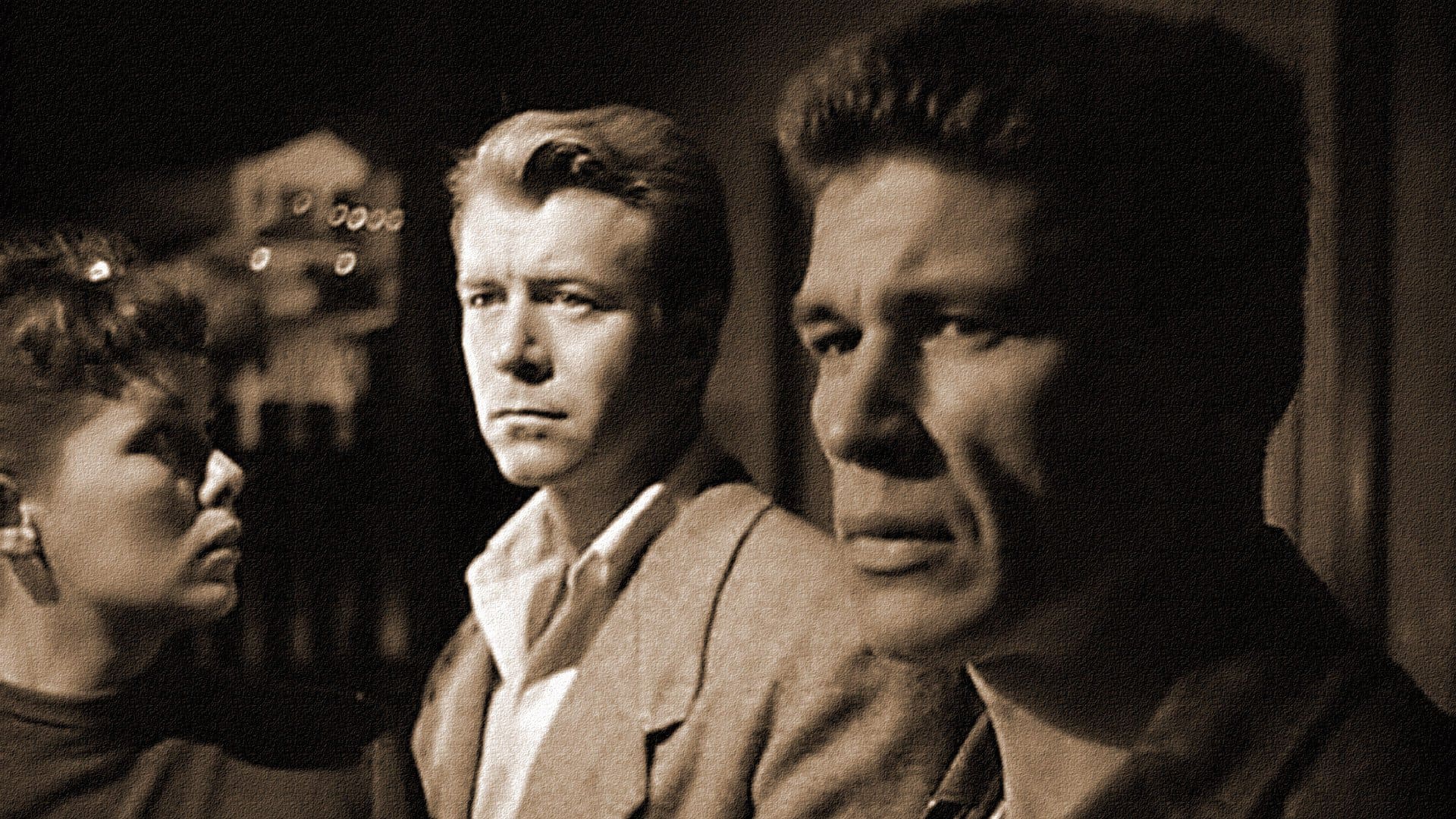
“Life is goddam black, and I photograph life,” De Toth once said, and this is a great movie for nasty little De Toth touches, which liven up a fairly basic story and give the whole thing a smoky tang. Like when the bad guys finally turn up at the apartment of Steve (Nelson) and Ellen (Kirk), one of their number is the grinning Johnny, whose every gesture and leer suggests he’s going to rape Ellen first chance he gets. Scandalously, Timothy Carey gets no screen credit for this powerfully nasty, if brief, performance.
De Toth’s eye (literally – he had only one eye) for everyday street “life” is evident. Bronson’s character wears a leather jacket, Nelson wears jeans, and De Toth lingers on sidewalks and bars, diners and car, which admittedly tend to be the currency of the B movie, but he shoots them all for real, not recreated on studio sets.
Steve drives a hot rod – a 1929 Ford Model Roadster Hot Rod Don Ferrara, if this entry at the Internet Movies Car Database is to be believed. There’s no real reason why he should drive a car like that – it’s not much use for getting the groceries but it does set Steve up to be pressed into service as a getaway driver in the film’s concluding heist climax.
Incidentally, notice that Steve and Ellen actually sleep in the same bed together. In an A movie they’d much more likely be in separate beds (and in really high tone movies, separate rooms). An example of the relative freedom that B movies enjoyed, away from the scrutiny of the censor.
It’s this stuff – the hot rod, the threat of rape, the streets, the bars – that are the real making of this movie, which otherwise wouldn’t stack up to very much at all. A clear case of it not being what you say but how you say it – and of a great director really making a difference. And De Toth shot it all in 13 days, under time and under budget.
Crime Wave – Watch it/buy it at Amazon
I am an Amazon affiliate
© Steve Morrissey 2023

