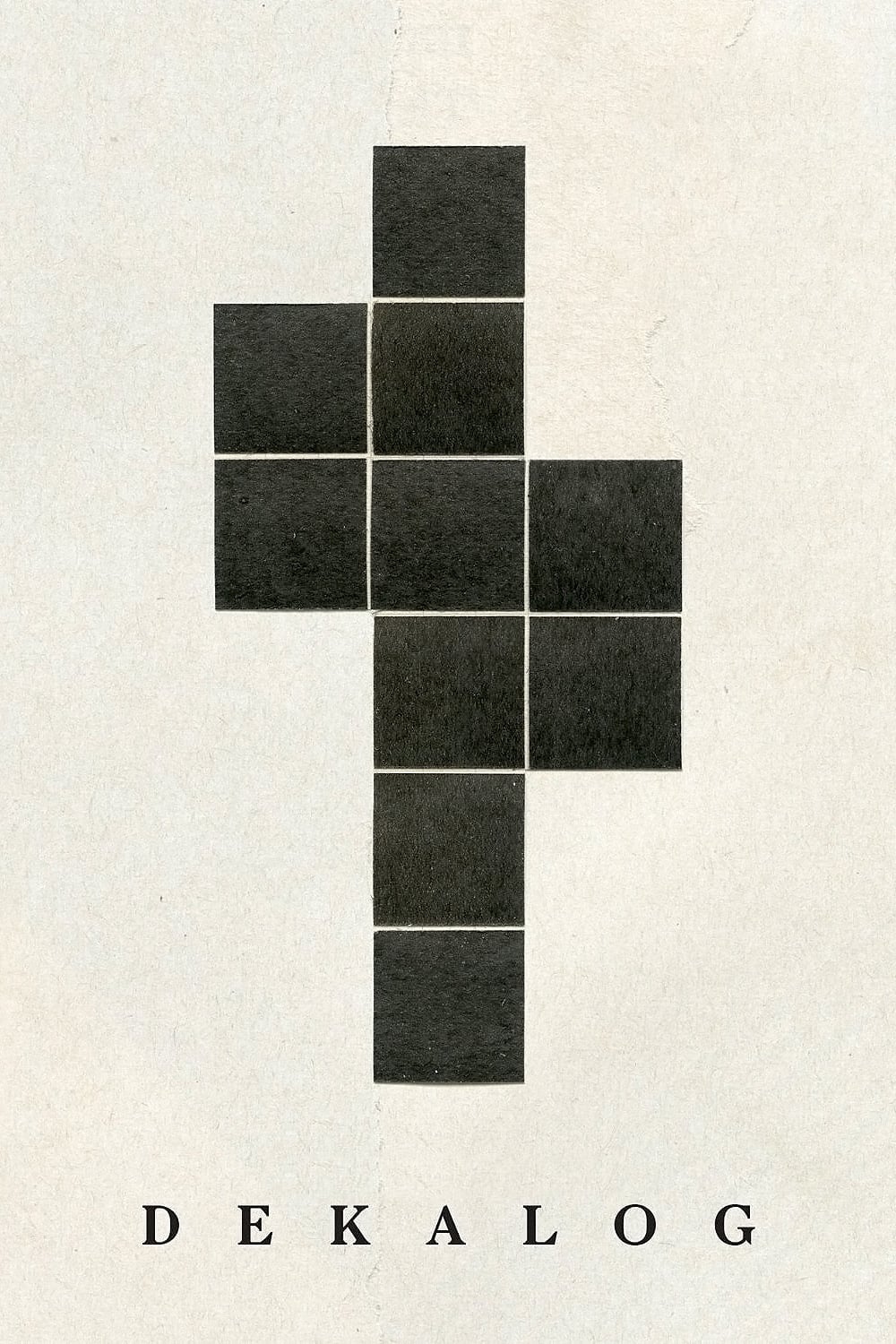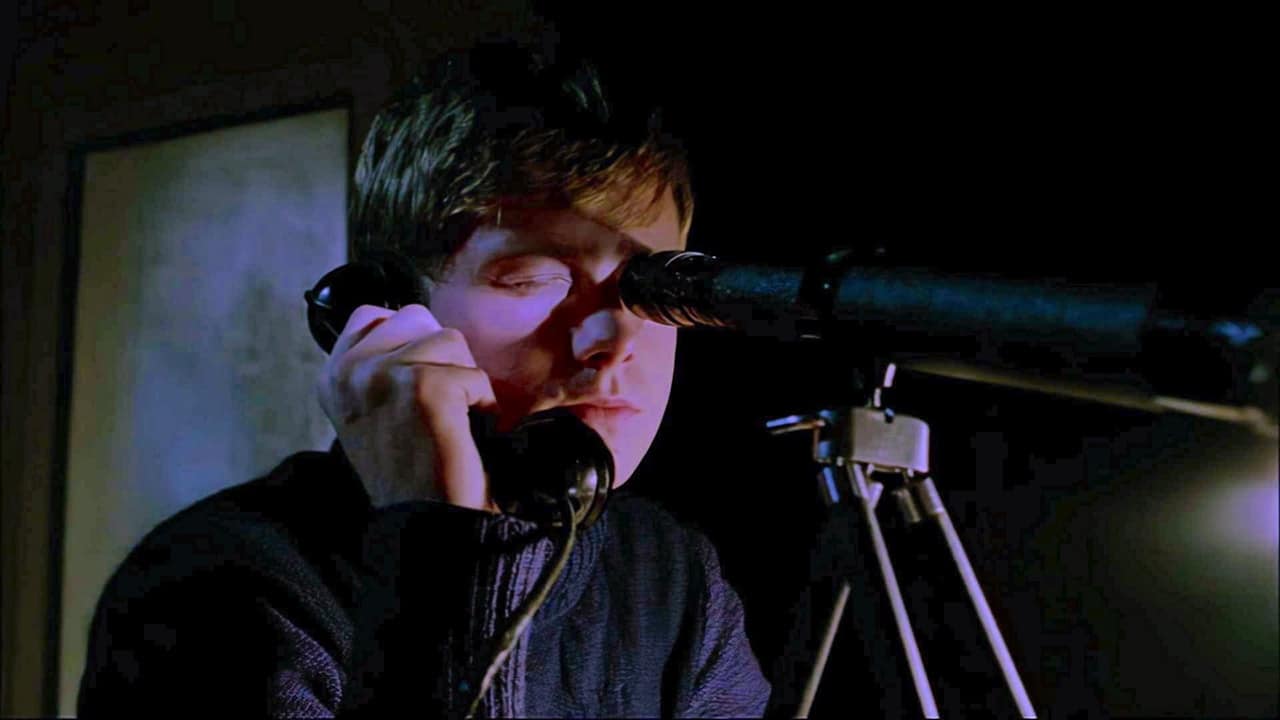
Ten shortish films loosely working their way through the Ten Commandments, director Krzysztof Kieslowśki and co-writer Krzysztof Piesiewicz’s epic Dekalog made its TV debut in December 1989, as Poland was shaking off its Soviet overlords, and was instantly hailed as a masterpiece. Time has polished its legend and it’s still regularly cited as one of the greatest… TV shows or movie collections, take your pick.
The whole ten-parter is set in and around one bleak Warsaw tower block, where people come and go, lives are lived and little moral dilemmas play out. In the first one, which lays out the stall, a prescient story about transcendental spirituality and the consciousness (or otherwise) of machines gets underway when a son asks his father about what happens when we die. He’s wondering if this is all there is to existence or whether there might be a god. The father says no, the boy’s auntie says yes, the boy’s computer also seems to want to have an opinion. It does not end well.
This tends to be the way of things for the other nine. Things generally not ending well after two or maybe three characters have circled a tightly wound human drama in pretty austere circumstances. Occasionally a character from another story will blur across the background of the current one, to suggest the interconnectedness of things, though this Decalogue is a series of self-contained meditations on what it means to live a good life in a world of temptation and venality.
Behind the camera people come and go, with different cinematographers lending different instalments a slightly different look, though clearly visual unity is the aim. For the late 1980s, in a country hardly at the technological cutting edge, it’s noticeable just how fluid the camera is.
Two of the instalments, numbers five and six, eventually took on a life of their own, expanded into standalone films A Short Film about Killing (a man kills, is tried and executed) and A Short Film about Love (a stalker is caught off guard when his stalkee starts coming on to him). None of them is straightforward. All of them follow with a brutal logic the consequences of actions, sometimes into uncomfortable places – in number four a grown woman tells her father she has amorous feelings for him but it’s alright because she knows he’s not her birth father. “Honour thy father and mother” is the fourth commandment in the Catholic Bible, but did the people who wrote it have this in mind?
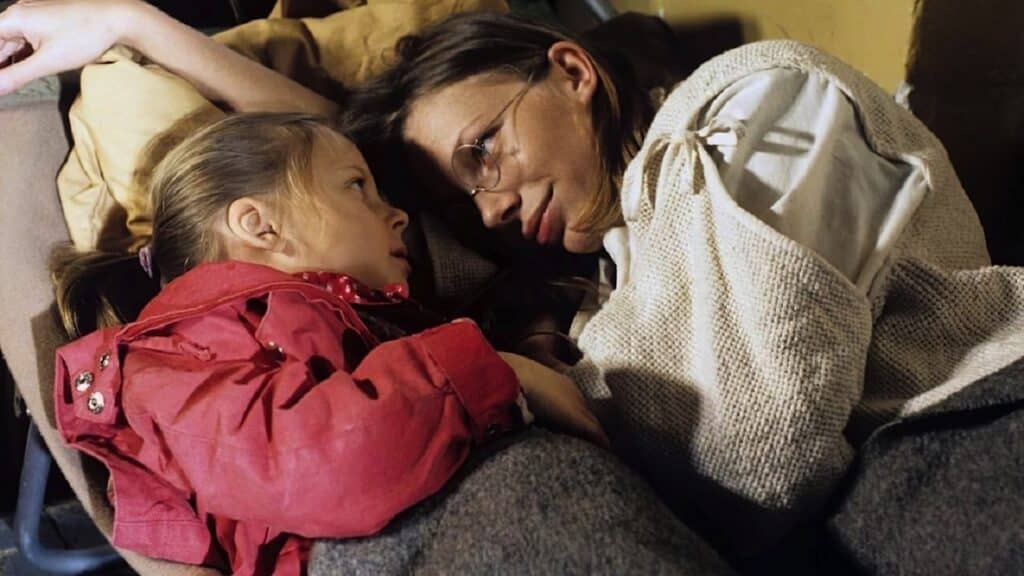
My favourite was number seven, another grim tale about contorted family relations, in which a young woman kidnaps her own sister and goes on the run, hoping to make a new life for the two of them in Canada. In a twist you will see coming it turns out that the older “sister” is in fact the younger’s mother, and she wants to wrest control of her little girl from the mother who is in fact the grandmother. A fabulously fraught hostage/ransom situation develops, with doom hovering over every mis-step.
This is not light stuff by any means, and if you were going to level a criticism it would be that Kieslowśki and Piesiewicz appear to be going out of their way NOT to entertain. There is a sermonising, didactic quality and it’s unlikely you’ll want to binge-watch. I watched it all half an episode at a time, and then palate cleansed with an episode of something breezier. There is black humour but laughs are in short supply, though in number nine there’s a visual chortle – an impotent man having trouble getting the door on his car’s glove box to stay up.
But all in all Dekalog is undeniably powerful, ten stories devoid of flim-flam stripped back to their essence. If the Bible can do it in a line, the thinking obviously goes, why not follow?
Dekalog – Watch it/buy it at Amazon
I am an Amazon affiliate
© Steve Morrissey 2025