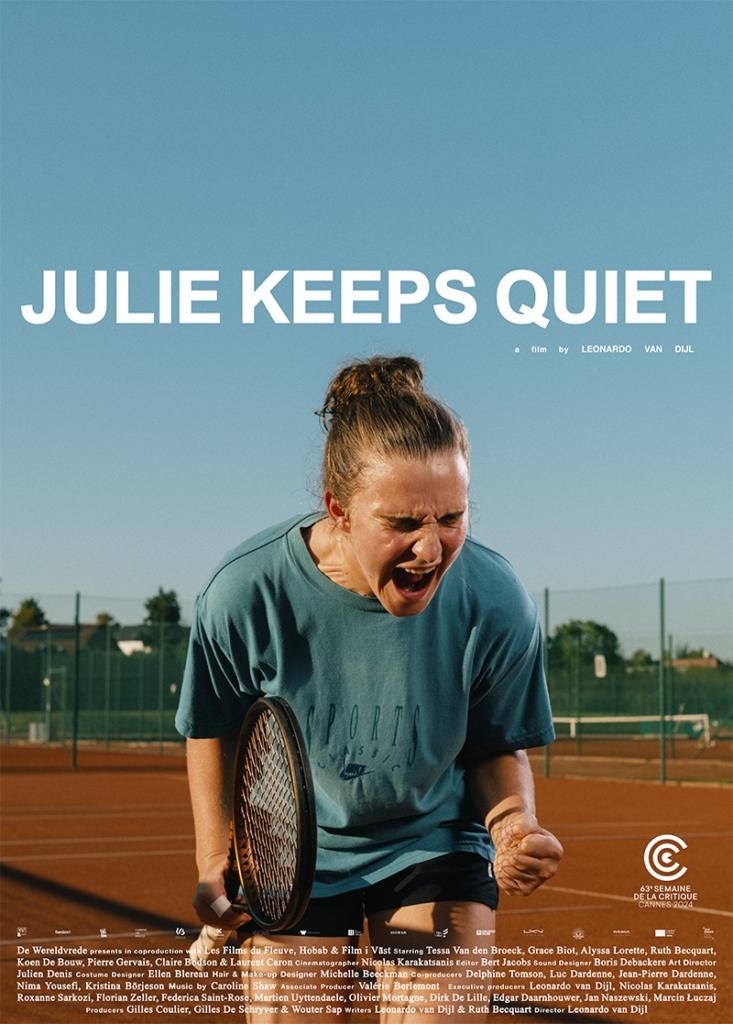
Silence is a power, and in Julie Keeps Quiet (Julie zwijgt) a story about abuse – never entirely defined – also gains force because of a determination not to sensationalise.
Leonardo Van Dijl’s impressive film builds on his 2015 short, Umpire, to tell the story of a young female tennis player – Julie – who refuses to play along when her trainer, Jeremy, is suddenly suspended after the death of fellow player Aline.
What Jeremy did to Aline, if anything, is teased away at but really the film is more interested in Julie and her silence, which she wields in much the same way as a young anorexic woman refuses food – it gives her agency and control in a world where she otherwise has very little.
Julie isn’t much cop at school and her family don’t have much money. Tennis is her thing, her passport to a better existence. Until Jeremy’s suspension Julie was heading towards a trial with the Belgian Tennis Federation. That’s still a possibility, depending on how she gets along with replacement trainer Backie (Pierre Gervais), but Julie also has to contend with an upcoming “interview” about the precise nature of her relationship with Jeremy (Laurent Caron).
Whether Julie impresses the selectors at the BTF, whether she’ll sing when asked to, these are the twin tracks of the film, and in little interactions between schoolfriends, fellow tennis players, her family, teachers and Backie, we come to understand how important the first of those two encounters is, and how the second threatens to mess everything up for her. So she keeps quiet.
Aline also kept quiet, it would seem, so maybe silence is exactly what a predatory coach – if that’s what Jeremy is – is relying on.
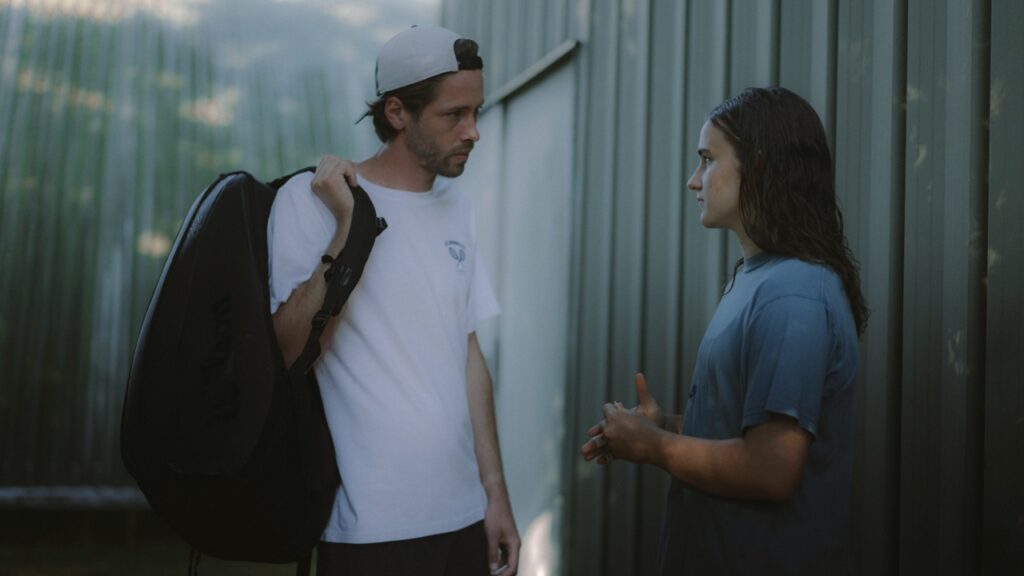
Van Dijl’s ace cinematographer Nicolas Karakatsanis uses a camera that’s pretty quiet too. He also did the excellent Bullhead in 2011, another tale of abuse, and here deploys an unusually shallow depth of field. Often very close up, with lighting that’s low key, he isolates Julie visually. She’s usually the only person in the frame who’s properly in focus. It makes for a claustrophobic sense of a constrained world but also adds a silent question mark to everything Julie does. The camera watches like an interrogator.
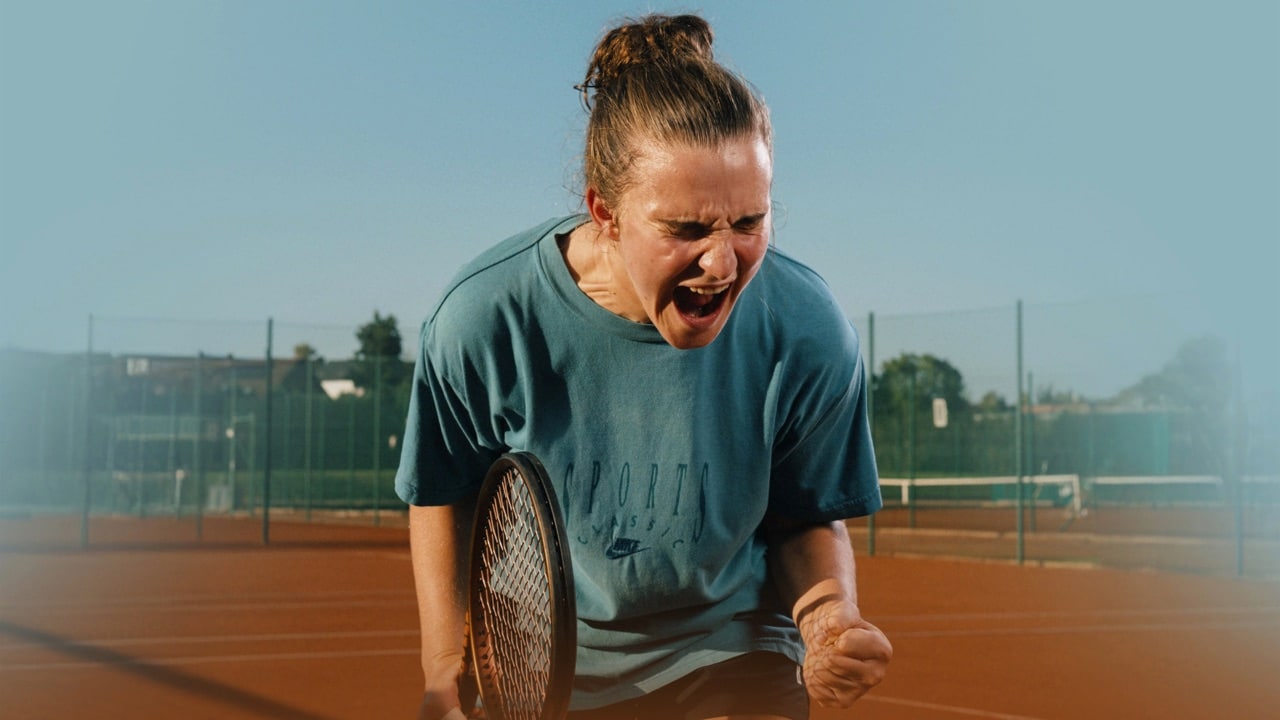
I don’t know what level of tennis player Tessa Van den Broek is, but she can wallop the ball with ferocious power and has all the moves. She’s not acted before but makes an impressively unselfconscious and natural Julie.
There are quite a few films about abuse in sport, but they’re usually documentaries – Athlete A, for instance, which was about a USA Gymnastics doctor’s reign of sexual malpractice – and their tone tends to be one of justified outrage.
By contrast Julie Keeps Quiet stays well away, lending the film a thrillerish quality – what happened and to whom, but more than that, what exactly does Julie think about it all?
The lack of breastbeating is refreshing and that decision is reflected not just in the matter-of-fact acting but also the score by Caroline Shaw, a thing of ethereal beauty and light when it could so easily have been all doom and despair.
What was the precise nature of the relationship between Jeremy and the dead girl, or Jeremy and Julie? Has Julie colluded in some way with whatever it is that’s been going on? Is she silent because she’s protecting the guilty or is there a degree of co-dependency here?
In a cultural landscape where victims of abuse are routinely described as “survivors”, Julie Keeps Quiet is probably going to irritate the maximalists. But it quietly asks questions that need asking, without downplaying the central point – that Julie is a victim, whether she sees it that way or not.
Julie Keeps Quiet – Watch it/buy it at Amazon
I am an Amazon affiliate
© Steve Morrissey 2025