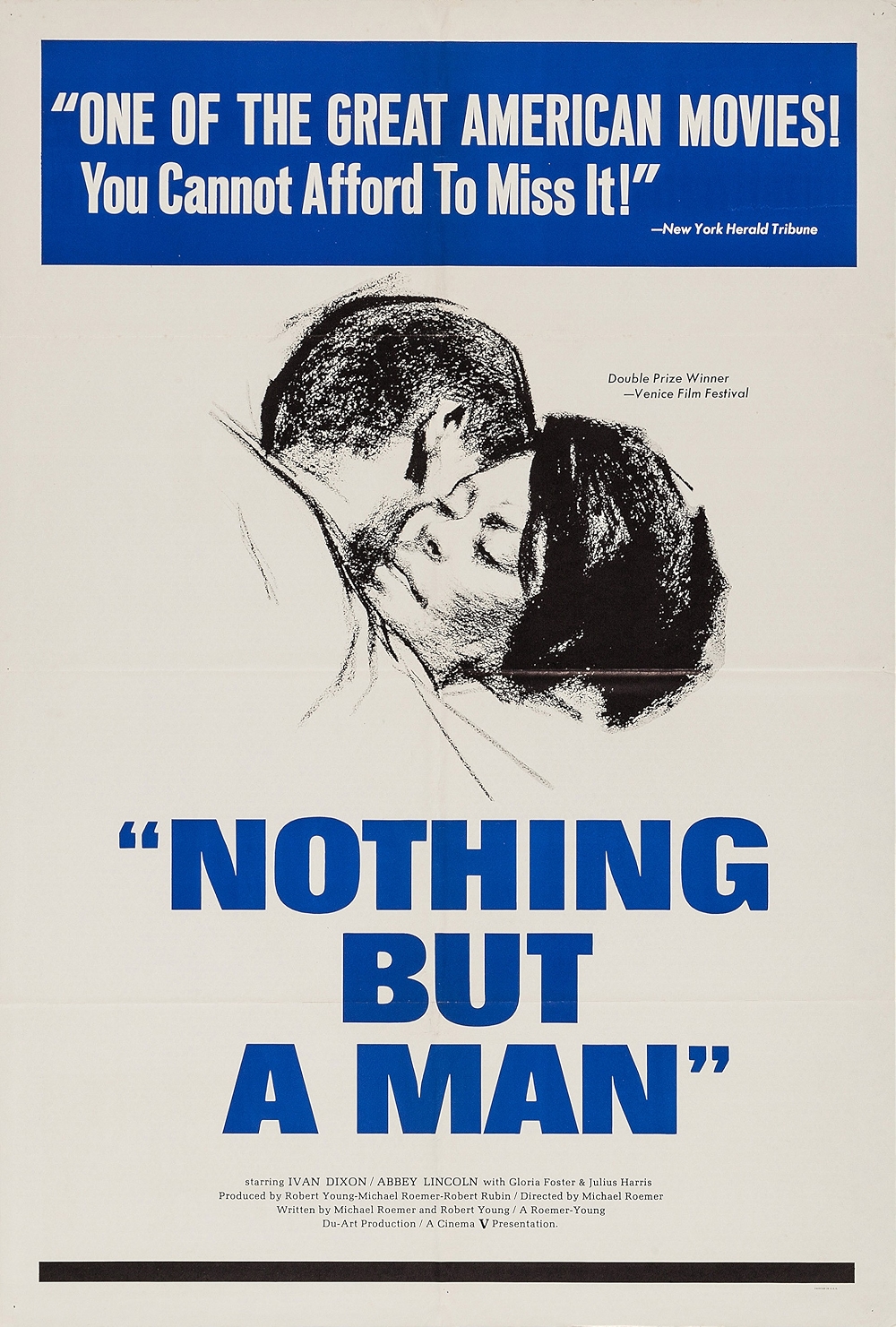
Made in 1964, in America’s Deep South – Alabama, to be precise – Nothing But a Man is, if nothing else, a remarkable document giving us an insight into the everyday lives of people on the wrong side of the racial divide at precisely the moment when the civil rights struggle was coming to some sort of a head.
It would be a great film even without all that “historically important” aspect. Unusually neo-realist and quasi-documentary in style, it’s a powerful but simple boy meets girl story of a rangy guy who works on the railroad and the preacher’s daughter he falls for, much to the discombobulation of the preacher.
Having ridden out the objections of the old man – who winds up marrying them in his church – the couple then face a bigger challenge: rancid racism from white Americans, who seem to want to deny them access to the American dream.
It works on many levels – as the him and her of Duff, an old school womaniser used to loving and leaving em, and Josie, prim but more worldly than he gives her credit for. As an ideological shorthand for what might be called the Martin Luther King versus Malcolm X approaches to black civil rights – one more gradualist, the other more revolutionary, with the preacher father as the emollient man of many fine words, and Duff as the firebrand driven by anger to act.
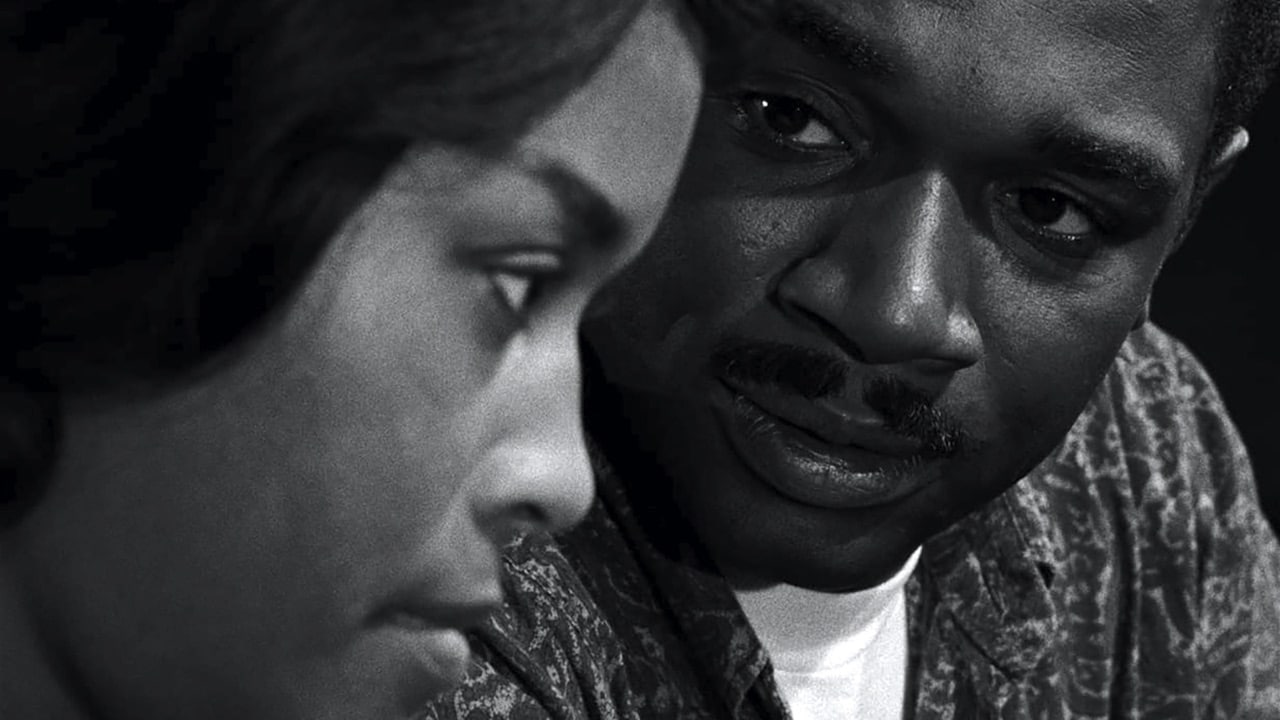
It also works as a beautiful artefact. Rarely have black skin tones in 1960s movies been caught in so nuanced a fashion on black and white film. Props to cinematographer Robert M Young, who co-wrote the film with director Michael Roemer, and understood that you don’t shoot black folks like you do white folks. Somehow Young has also managed to give the film the sort of lush deep-focus looks that usually speak of a big budget – deep focus means lots of lights. Lights mean money and time, which costs money too.
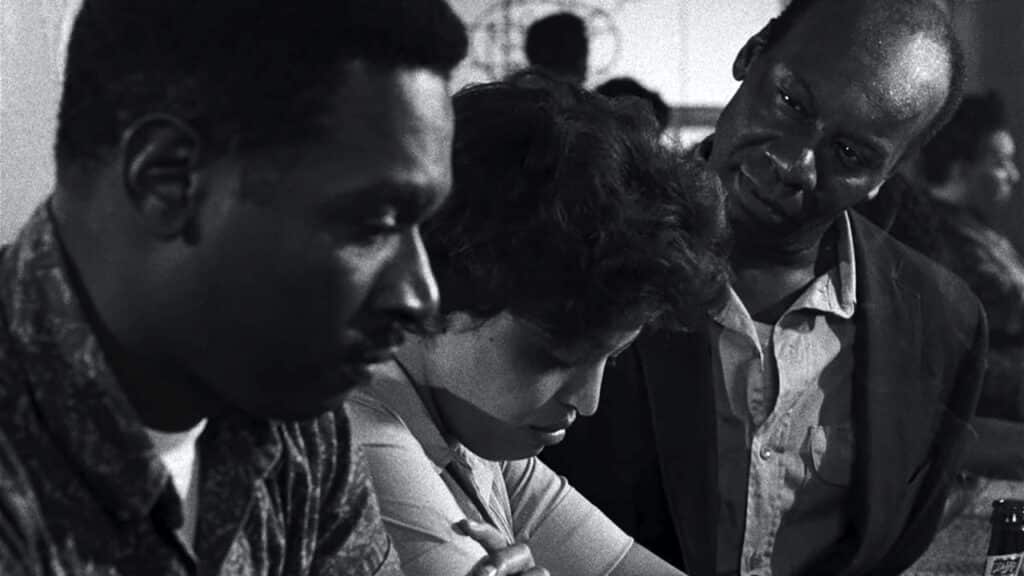
Great performances – Ivan Dixon as handsome, angry Duff, Abbey Lincoln as Josie, the sweet and smart young woman eager for change, in her own personal circumstances at the very least. Stanley Greene as the patriarchal Reverend Dawson, Old Testament in his wrath and New in his sense of justice. And an evocative capturing of the everyday lives of black people in places like Alabama, in the bars, churches, diners and dancehalls where they congregated.
Martin Luther King gave his “I have a dream” speech while this was being shot. If he’s mentioned, I missed it. But he’s very much part of the story. This is the black civil rights moment from the point of view of the people living it. Strange that it’s directed and written by two white guys – but then Roemer was a Jewish exile from Nazi Germany, so knew what this sort of racial classification was about. And Young also had an abiding interest in the life of the underdog. This was his debut, but in a long life – dying aged 99 in 2024 – he made many a film documenting struggle.
Motown released the music as a soundtrack album. It features diegetically, as part of the background to the lives of Duff and Josie – Martha and the Vandellas, “Little” Stevie Wonder, The Miracles, and so on, a reminder of the optimism of Motown boss Berry Gordy’s “sound of young America” – part hope, part expectation in that transracial slogan.
That said, this is not a film full of false hope. There is some desperately unpleasant racism on display here. Again and again Duff is asked to stand down as a man, whether that’s being belittled by white men in front of his woman, or at work where he bridles at being called “boy” and is accused of being a union organiser – race and class intersect. “Nothing but a man” is all Duff is asking to be allowed to be. But that is often denied him. And yet Nothing But a Man manages to contrive a happy ending of sorts, as both Duff and Josie come to the conclusion that being “free inside” (the film’s final words) are the important thing. A consolation, perhaps, but it’s a start.
Nothing But a Man – Watch it/buy it at Amazon
I am an Amazon affiliate
© Steve Morrissey 2026