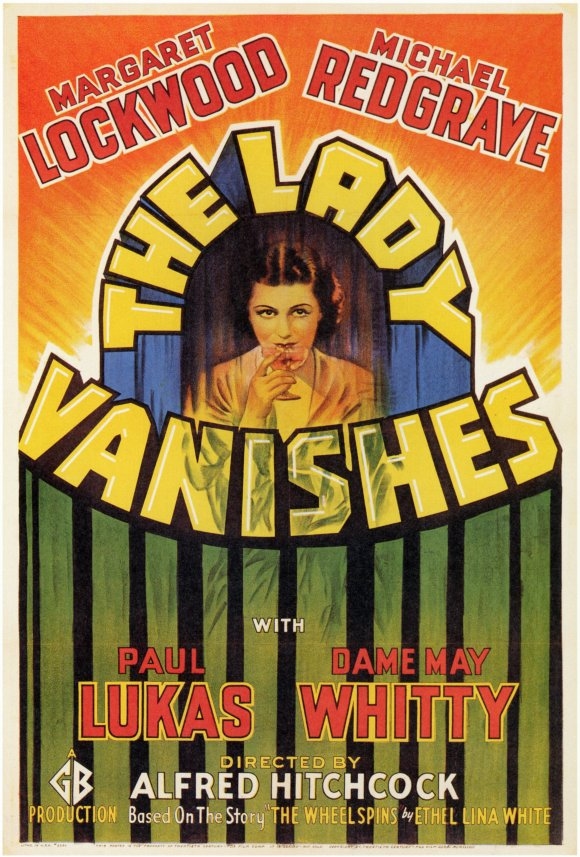
Hitchcock and trains, Hitchcock and trains – even the words seem to run on rails. The Lady Vanishes is the British director’s take on the 1930s craze for the murder mystery on the move. And though Hitchcock could have lent on Agatha Christie’s Murder on the Orient Express – published in 1933 to instant acclaim – he was in fact working from Ethel Lina White’s The Wheel Spins, a 1936 best-seller from a fellow British writer who hasn’t weathered as well.
But White has something here – the notion of gaslighting. The Wheel Spins turns on the determination of its central character to resist the dominant narrative while everyone around her, for various reasons, lies to her.
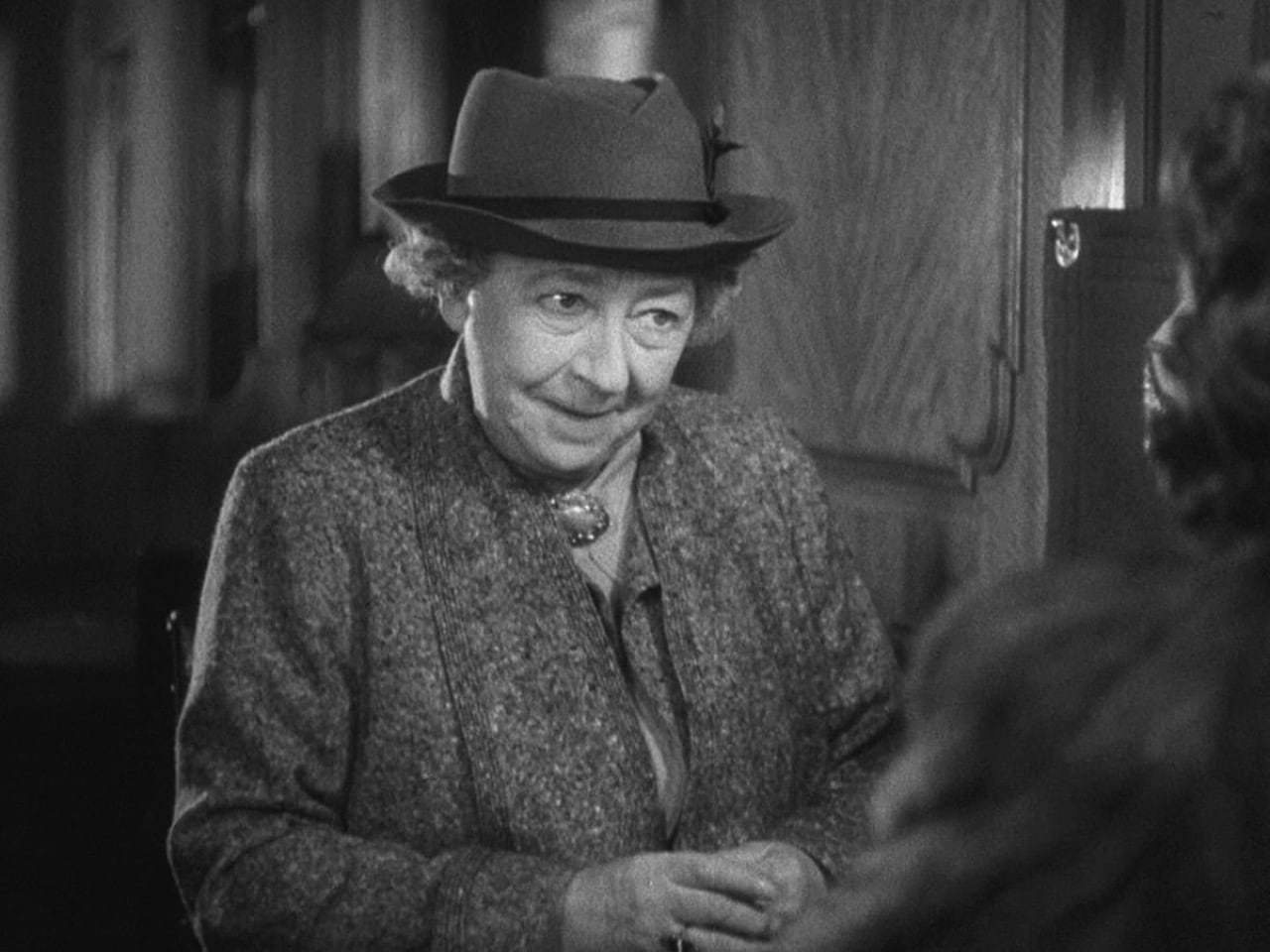
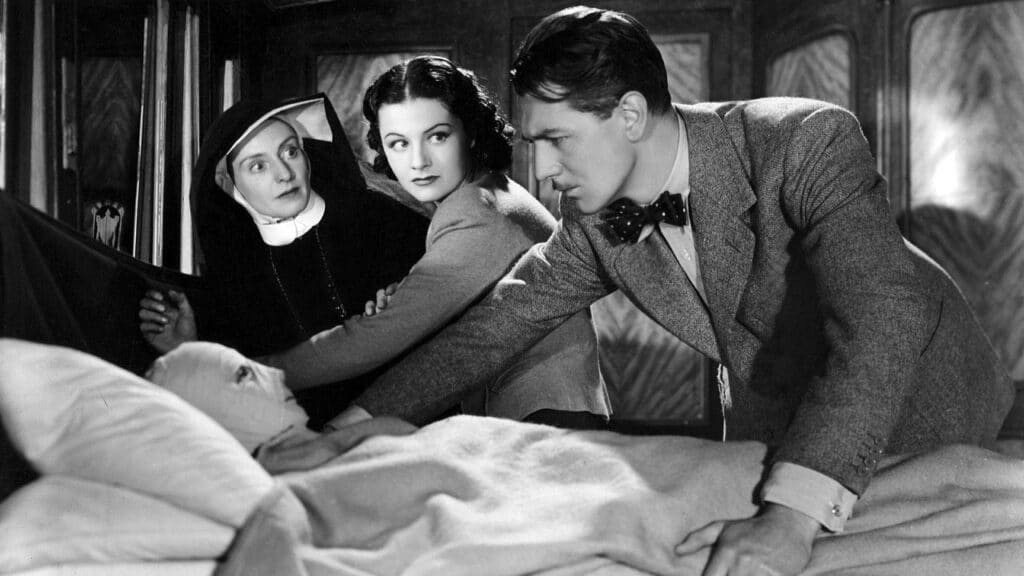
Casting Margaret Lockwood as his heroine, Iris, Hitchcock sticks close to the central idea of White’s book. En route back to England, where she is going to marry a rich man for all the wrong reasons, Iris has become chummy with a fellow passenger, Miss Froy (May Whitty). Suddenly the sweet old dear vanishes but stranger than the disappearance, no one on board the train will admit Miss Froy was a passenger in the first place. Enlisting the help of an eccentric Englishman – who’s really only helping Iris because he fancies her – the young woman and her increasingly exasperated accomplice try to get to the bottom of the mystery.
The passengers are a rum bunch, all lying for different reasons. Mr and Mrs Todhunter (Cecil Parker, Linden Travers) are not in fact husband and wife but a couple on a steamy holiday together which will, she believes, encourage Mr T to leave his wife. Signor Doppo (Philip Leaver) is both foreign (suspicious in itself) but a stage magician, so is well versed in deception. English buffers Caldicott and Charters (Naunton Wayne, Basil Radford) are eager to get back to London to catch an important cricket game so don’t want the train to stop for any reason, like a police investigation. Key figure is Dr Egon Hartz (Paul Lukas), a charming and chilling brain surgeon who acts as gaslighter in chief.
Outside the Second World War is looming. Sidney Gilliat and Frank Launder’s screenplay work the upcoming appeal to heroic endeavour into White’s story, without compromising its elegance. For his part, Hitchcock performs another “unwilling couple” manoeuvre – see also The 39 Steps, Young and Innocent, Saboteur and North by Northwest. No sign of other Hitchcock standbys – there is no Wrong Man here, nor is Lockwood a Hitchcock Blonde.
At this point in her career Lockwood is still playing girlish heroines rather than the sophisticates and villains she’d specialise in later, in films like The Man in Grey or Wicked Lady. Redgrave is the new kid on the block, and in his first credited screen role (he’d had a bit part in Hitchcock’s Secret Agent) gets the enthusiastic, oafish but likeable ethnomusicologist (yay!) character down nicely.
It’s a perfect film really, and though some prefer the sheer dizzying forward attack of The 39 Steps, The Lady Vanishes is witty and amusing, and Hitchcock is in full control of what he’s doing. His use of “audience camera” for example – we can see something the characters can’t – adds a layer of sophistication lacking in, say, Number Seventeen, his thriller of six years earlier. Notice also how well he keeps a large cast of characters in play, even adding new characters – a shady nun for example – as he goes.
The film was a hit and there was an attempt to use it as a template, in 1940’s Night Train to Munich, with Lockwood starring, Launders and Gilliat once again writing and comedy Brits Caldicott and Charters once again turning up. Even with Carol Reed directing, it didn’t quite work. But it was at least more successful than the 1979 remake of The Lady Vanishes starring Elliott Gould and Cybill Shepherd, wrong on so many levels it’s through-the-fingers viewing.
The Lady Vanishes – Watch it/buy it at Amazon
I am an Amazon affiliate
© Steve Morrissey 2026