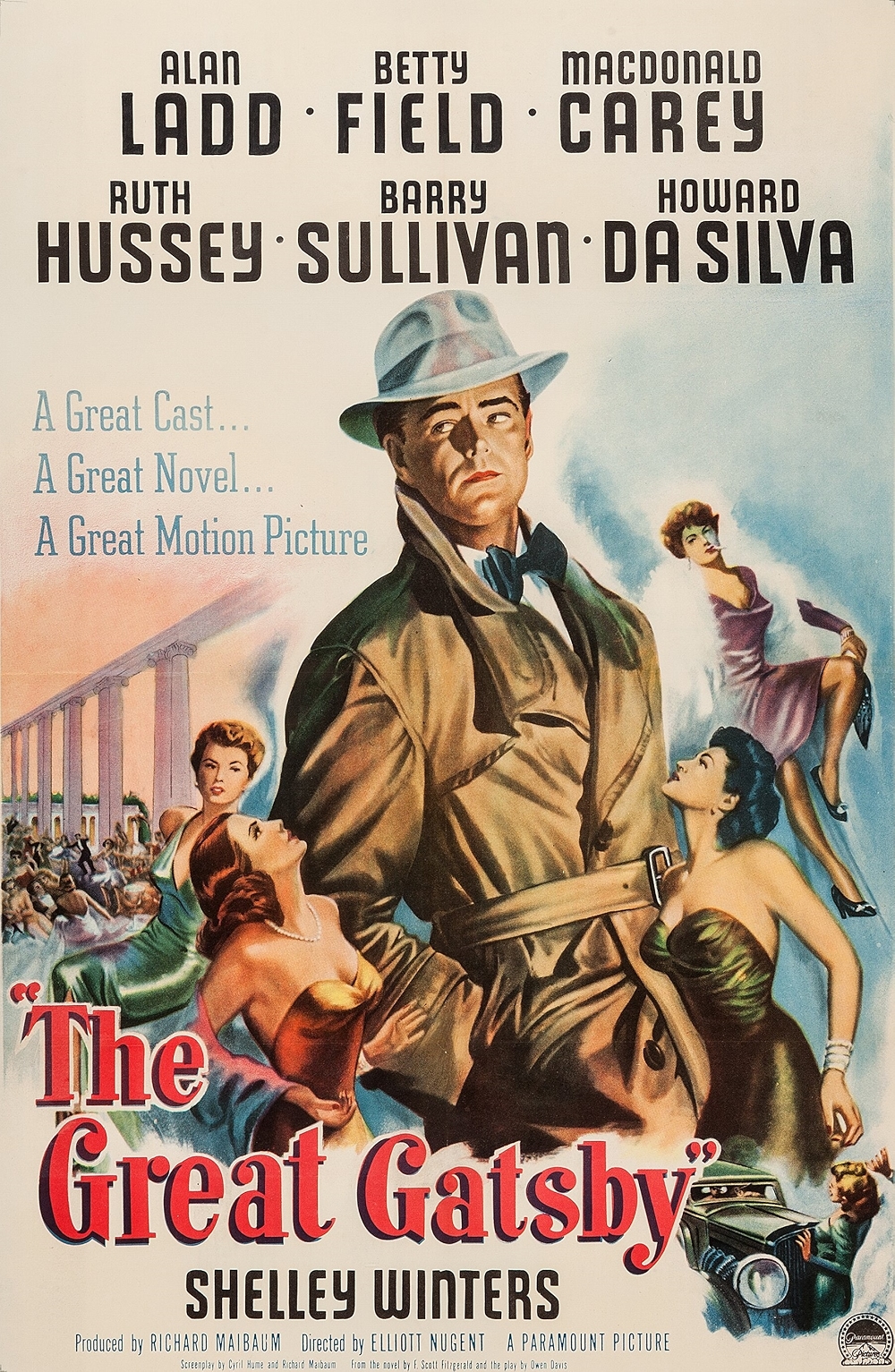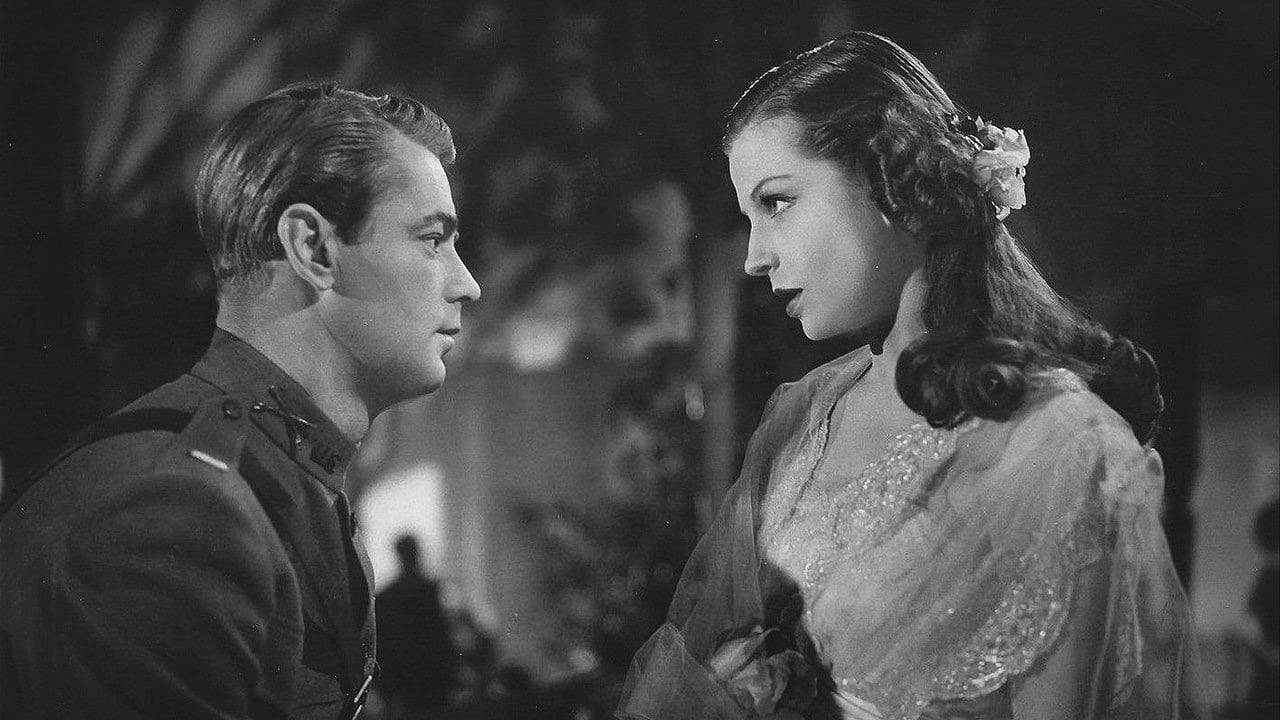
This is The Great Gatsby no one talks about. Not the Baz Luhrmann one from 2013, or the Robert Redford one from 1974, but the 1949 version starring Alan Ladd as Jay Gatsby, the poor boy made good who’s trying to chummy up to old money and finds it comes at a cost.
In 1949, films about the jazz age were largely off-limits and so to get this film made, a moralising preamble and postscript was added – as if F Scott Fitzgerald’s original book weren’t a cautionary tale to start with. Ask AI to summarise the difference between this film and the book, as I just did, and it really goes off on one. However, the bones of this story remain pretty much as Fitzgerald wrote them. Young Jimmy Gatz makes money gangstering about in the 1920s, becoming Jay Gatsby en route to retiring to lead the life of a rich man in his prime. He buys a gigantic house over the lake from the Buchanans, old money, and starts throwing parties, obviously hoping to attract the interest of his neighbours.
Validation is partly what Gatsby wants. But really his eye is on Daisy Buchanan (Betty Field), who long ago was his intended bride but married rich Tom while Jimmy/Jay was off fighting in the First World War. Now, years later, he has come back to get her. Does she still love him? What about the husband, Tom (Barry Sullivan)? Are Tom’s seriously deep reserves of wealth more than Gatsby can match with his flash?
Gatsby is helped on his mission by Nick Carraway (Macdonald Carey), the Buchanans’ poor relation, who becomes Gatsby’s (reluctant) spy in the Buchanan household. Jay also buys the cooperation of Daisy’s friend, goodtime girl Jordan Baker (Ruth Hussey) by giving her his Duesenberg car. In return she sets up the fateful meeting between Gatsby and Daisy. Also working in Gatsby’s favour is Tom’s undisclosed affair with Myrtle (Shelley Winters), the wife of a local gas station proprietor, a minor detail that will have massive consequences towards the end.
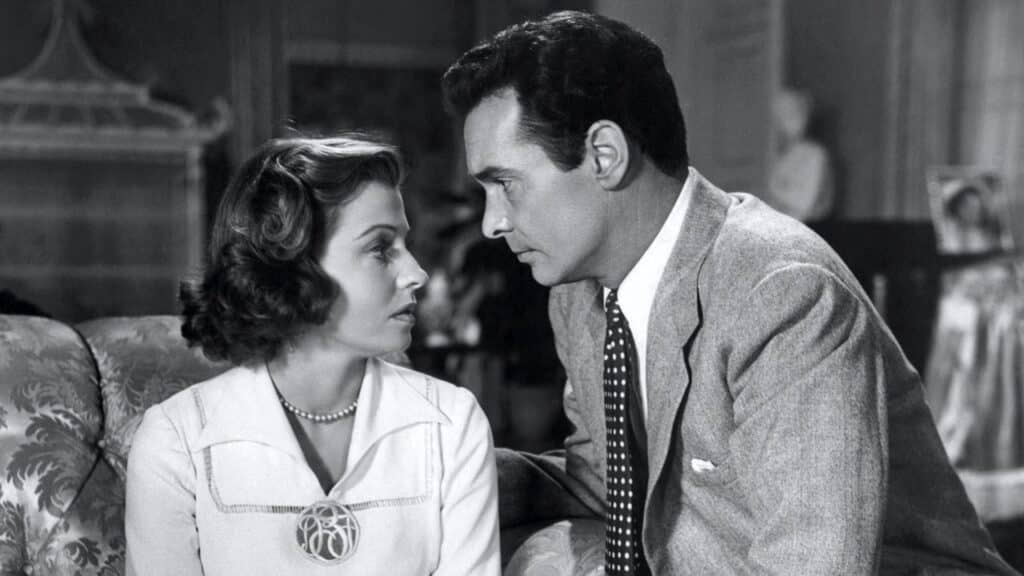
This is a story about new money moving fast and breaking things and old money doing everything necessary to keep things as they are. As Fitzgerald made clear in his book and this film reinforces, everything else old money does – sport, art, love – is just play. New money’s motives are obvious, but old money works to different rules, as the ignorant Gatsby will find to his cost. In this telling (as in Fitzgerald’s) the super rich function almost as aliens in the human landscape. How very now.
Which makes the scenes between Ladd’s Jay Gatsby and Sullivan’s Tom Buchanan doubly fascinating. Though Barry Sullivan is a touch miscast as old-money Tom – he’s just a touch too street – his scenes with Ladd are powerful stuff, the husband, stiff with testosterone, knowing exactly why this jumped-up bootlegger is sniffing about the place. Ladd’s Gatsby responding with a loucheness he hopes is unaffected, but isn’t. Crackle crackle.
But in terms of acting the scene where Jay and Daisy meet again is the one to beat, Betty Field and Alan Ladd quivering as their characters engage in exploratory emotional manoeuvres. Does she still love him? Yes. Is she going to act on it? How can she not?
In the book Carraway does a lot of narrating but there’s no need for an intermediary when you have a camera. And so Carey’s Carraway gets bumped down the pecking order a touch, good though he is. Perhaps in all this it’s Ladd who’s the surprise. He turns out to be an actor of rare subtlety. But then so is Field, who understands that Daisy is a placeholder for men’s fantasies – the unattainable woman – and plays her accordingly. (Jordan Baker, on the other hand, is very attainable, as Ruth Hussey – excellent – clearly understands.)
Elliott Nugent’s direction is old money in cinematic form. The sense of space, the scale of things. Gatsby in the Buchanans’ mansion always a small man in a big place. The fact that the DP is John F Seitz – Double Indemnity and Sunset Boulevard on his CV – means it looks never less than great.
The overlooked Gatsby turns out to be a cracker. Yes, there are other ones – a silent version from 1926, and a fascinating-looking TV movie from 2000 starring Mira Sorvino (Daisy), Toby Stephens (Jay), Martin Donovan (Tom) and Paul Rudd (Nick). Not seen it so can’t comment.
All in all though, for such a cornerstone book of the 20th century, there are surprisingly few Great Gatsby movies knocking about. This turns out to be a very good one. Just ignore the moralising bookends.
The Great Gatsby – Watch it/buy it at Amazon
I am an Amazon affiliate
© Steve Morrissey 2026