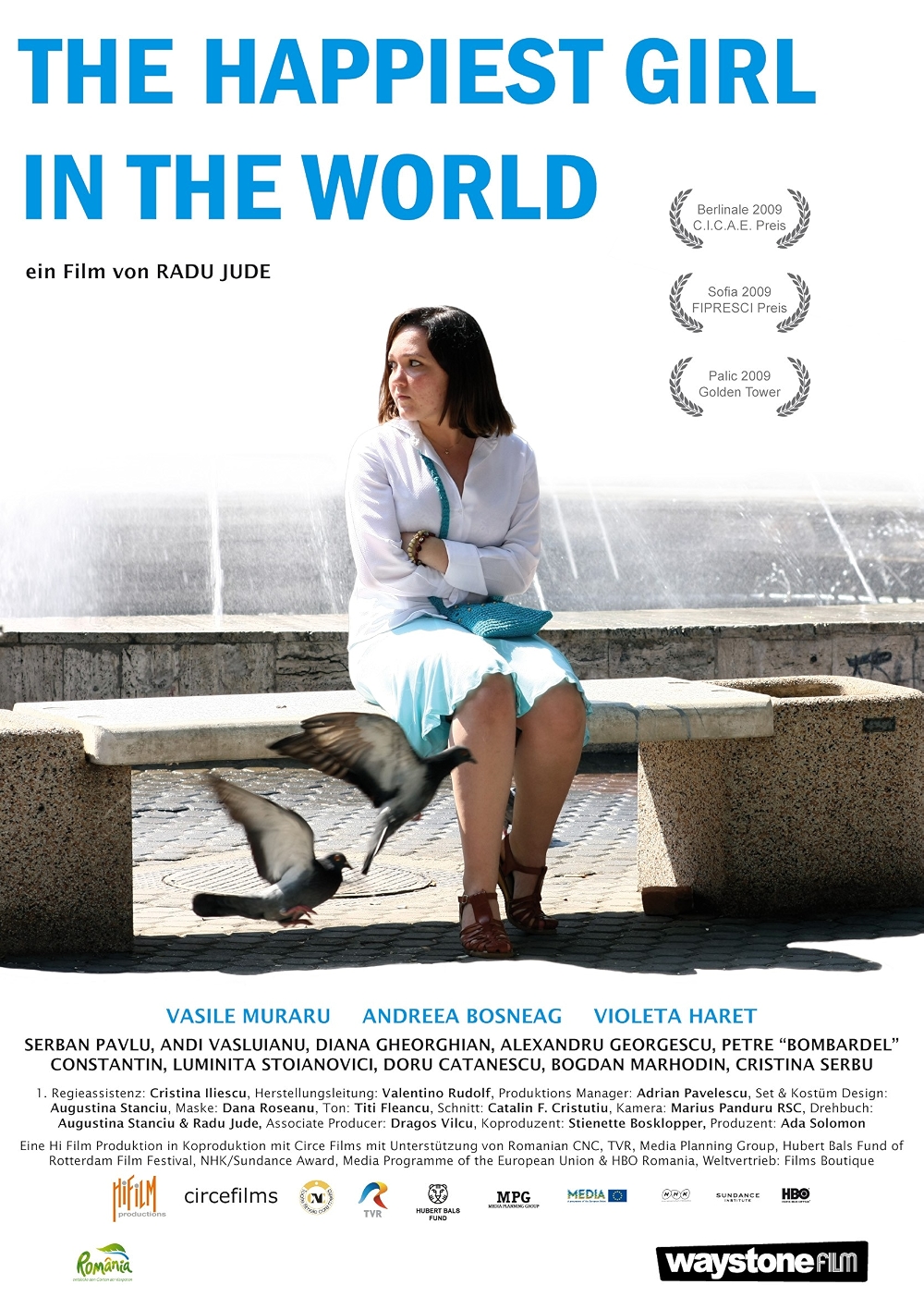
Imagine being a film-maker and for your debut feature you decide to tell the world what a tiresome, unglamorous slog film-making is. The Happiest Girl in the World (Cea Mai Fericita Fata Din Lume) not only established the Romanian Radu Jude as a writer-director of promise but also as somone in full possession of a highly developed sense of irony. It set him off on a run of intelligent, humane dramas often interrogating the process of film-making itself, like I Do Not Care if We Go Down in History as Barbarians or Do Not Expect Much from the End of the World (Jude does love his long titles).
Here, his story is about a family from the sticks who have come to Bucharest, the big city, for the day. Their daughter, Delia (Andreea Bosneag), has won a car in a competition sponsored by a company that makes fruit drinks. It’s Delia’s big day and as part of it all the competition winners are being filmed receiving their car. All they have to do is smile, read a few scripted lines – the happiest girl in the world bit – chug down some of the orangey liquid and then the car is theirs.
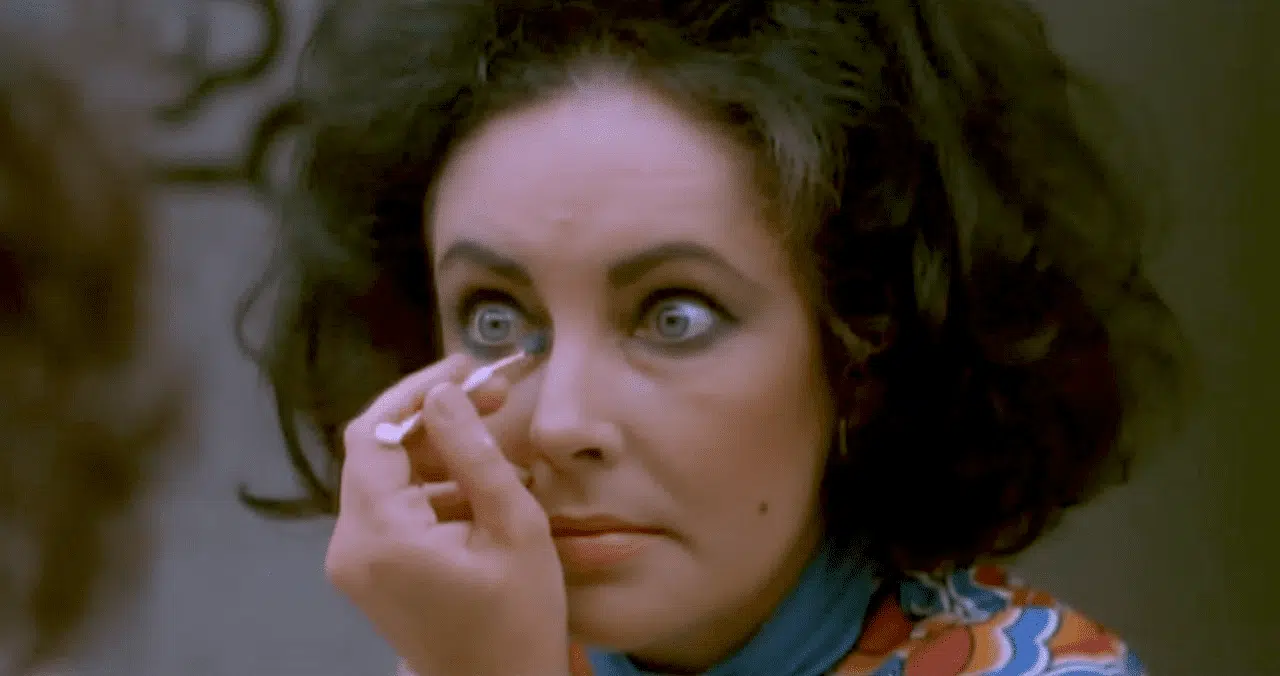
For several reasons it’s not going to work out like that. For starters Delia is a teenager not much given to smiling. Then there’s the whole faff of filming – hair and make-up, getting the light right, a thousand technical problems that can potentially go wrong, the “everyone’s an expert” intrusions of the client, the marketing people and so on. But overriding all of these, and the reason why Delia’s face is a scowl when we first meet her in the back of her parents’ car, is that mum and dad want to sell her car, take the money and invest it in running a guest house.
This will, they assure her (though she doesn’t seem convinced), lift them into another income bracket and change all of their futures. But Delia wants the car. She’s even promised her friend they can go to the seaside in it. Delia, we learn later, cannot drive.
And over the hot day of filming – going again and again and again – the parents try to persuade Delia to see things their way and sign the car over to them.

That’s the film – the individual on one side and the collective good on the other, a drama from a man who was hitting puberty as the Cold War ended and maybe still has some hankerings for its certainties and its sense of a shared destiny.
It probably looks better viewed backwards through the lens of Jude’s later work than it did when it came out in 2009. Its scrappiness and slipperiness now look more like part of a master plan than they did at the time. Jude’s work since has emphasised how humdrum reality is when compared with the gloss of idealistic expectation, or airbrushed histories, or slick advertisements, but how important it is to keep a hold of it.
Oscars don’t get handed out to performances like those of Bosneag or, as Delia’s parents, Violeta Haret-Popa or Vasile Muraru. But how good they all are as this bickering, increasingly weary family whose sniping might at any stage develop into something more.
Jude based the film on his own experiences as a director of commercials and it does have the tang of authenticity about it, particularly the way some never-named, sharply dressed suit will intervene in the shoot at precisely the wrong moment to make an already tough job even tougher. And the way poor Delia is forced to down half a bottle of fizzy drink every time the camera rolls for another take.
The Happiest Girl in the World – Watch it/buy it at Amazon
I am an Amazon affiliate
© Steve Morrissey 2026