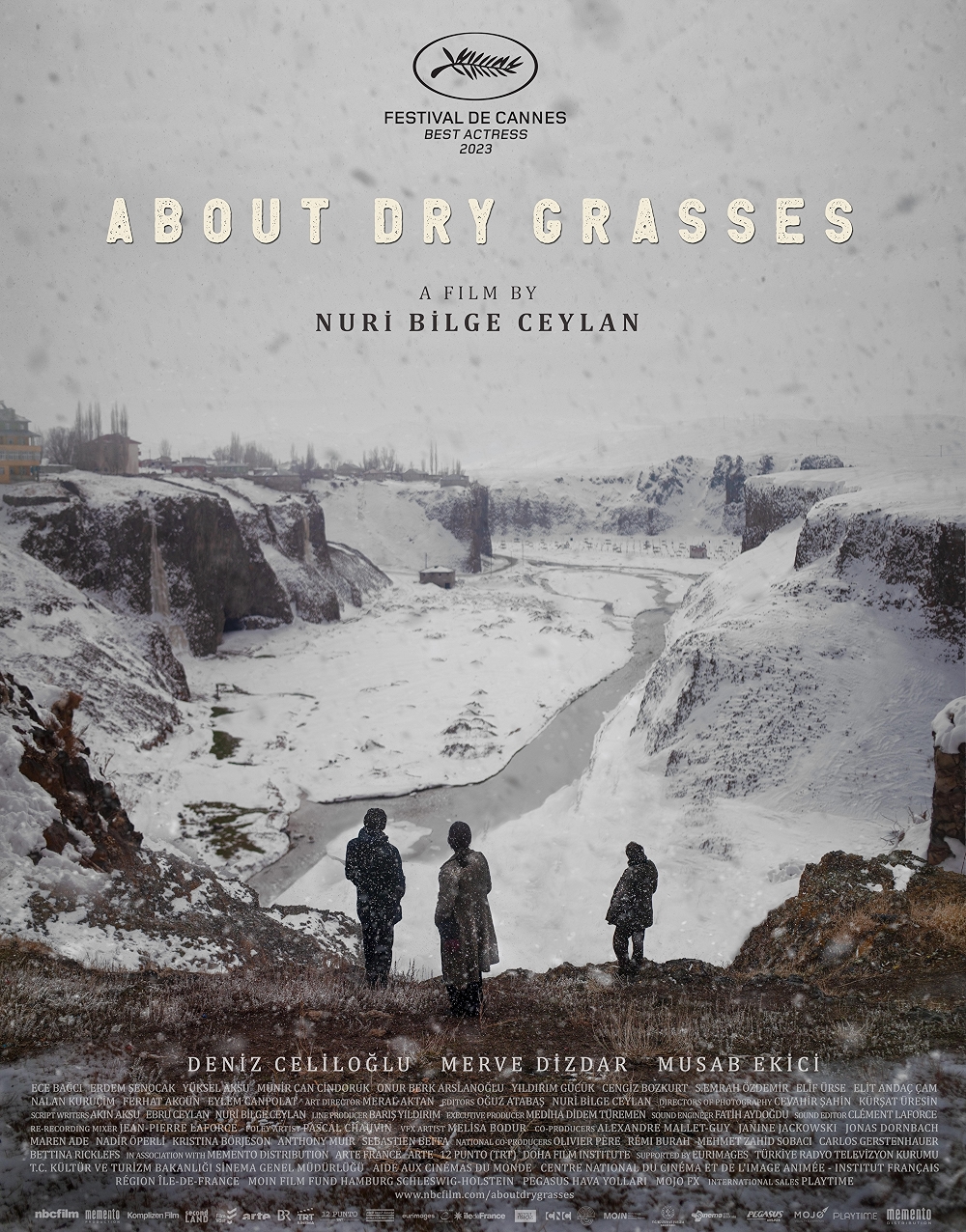
Winner of the annual “most arthouse-movie-title award” – About Dry Grasses (Kuru Otlar Üstüne)? That academic “About”. The fact that it’s in Turkish. Over three hours long. By a director whose name many non-Turks struggle to pronounce. Exotica ahoy!
The award is just a joke, but the movie is by Nuri Bilge Ceylan (roughly pronounced Nooree Bill-geh Jail-ann), who has directed some exquisite movies since his debut nearly 30 years ago, among them Uzak, Climates, Once Upon a Time in Anatolia and Winter Sleep.
About Dry Grasses is his longest feature to date, edging out 2014’s Winter Sleep by a minute or so, at three hours 17 minutes. And while it does occasionally feel like a long film, by the end the whole thing wraps up so satisfyingly that its running time feels fully deserved.
Ceylan tells two intertwining stories. Both centre on Samet, a sophisticate from the city who has been stuck for nearly four years in an out-of-the-way village in eastern Anatolia, where he grudgingly teaches art to kids who are probably not worth the candle, in his estimation.
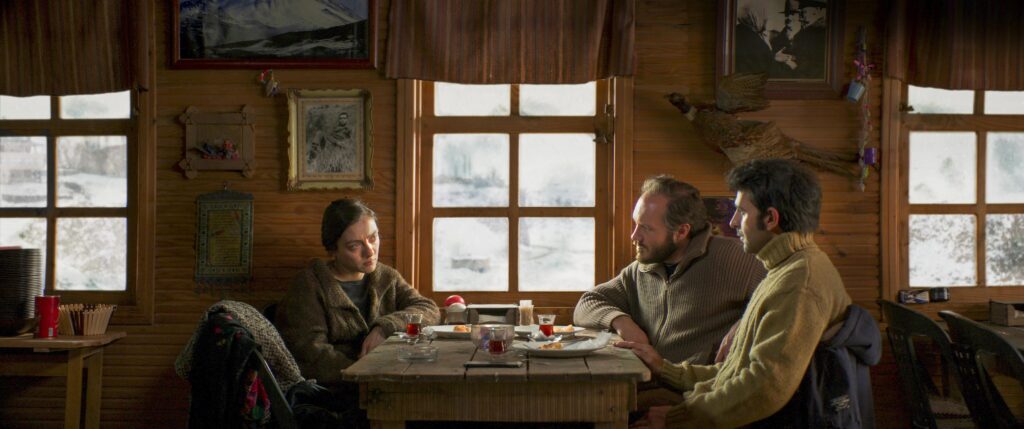
In story one Samet and his fellow teacher and housemate Kenan are accused of inappropriate behaviour by a couple of their students. In the other Samet meets a pretty young woman, then palms her off onto Kenan, probably on account of her prosthetic leg, and then becomes resentful when he sees that Kenan and Nuray are getting closer to each other.
It’s a portrait of an unhappy soul, a man in a persistent existential funk, a political conservative who thinks he’s a liberal, a man who only wants what others have and has little self-motivation, though he cannot admit it, because self-knowledge is something he also lacks.
The acting by Deniz Celiloglu of the superficially charming but probably rather nasty Samet is exquisite, a micro-managed performance that loops us in, then pushes us away – in out, in out – and in the film’s key scene, in which the politically engaged Nuray challenges Samet to come clean about what he is really like, we see that Merve Dizdar, who plays Nuray, is every bit Celiloglu’s equal.
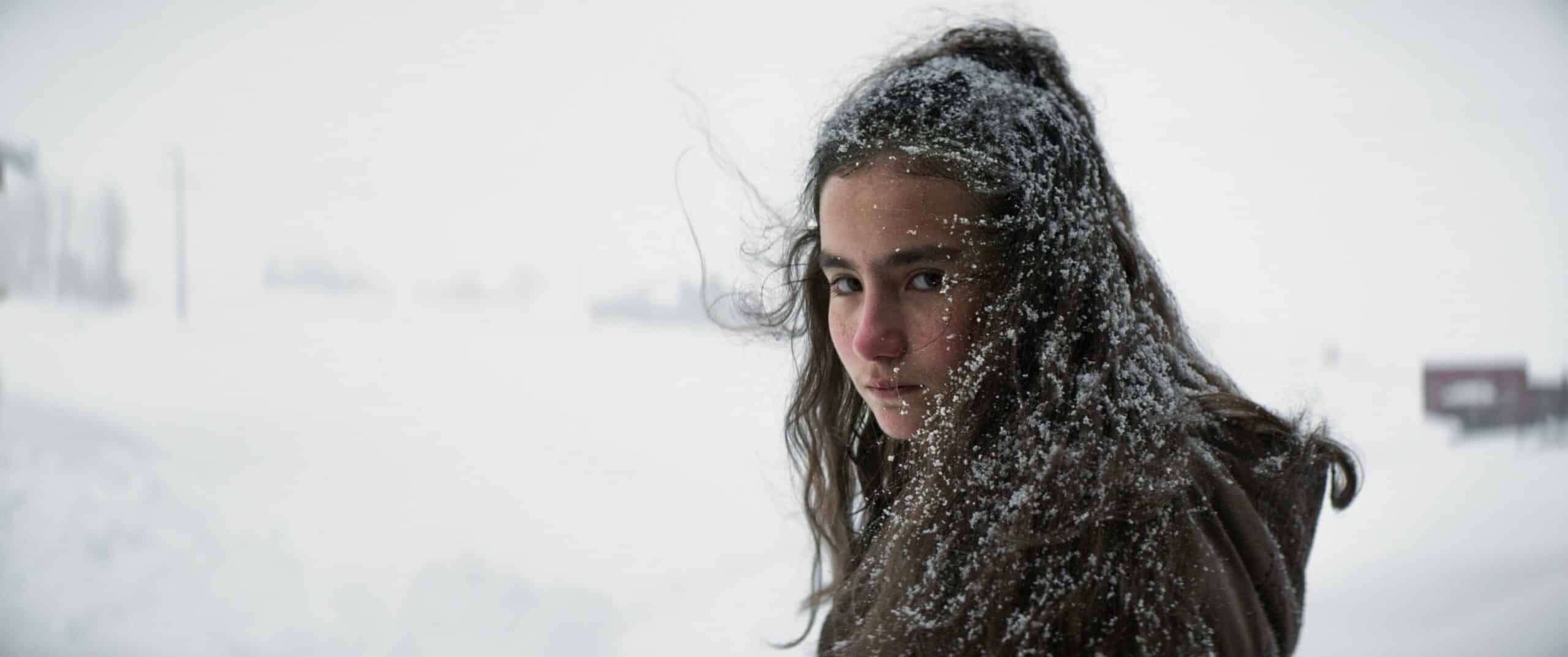
Less used and somewhat peripheral to the story is Musab Ekici’s Kenan, whose decent, affable, normal-guy character – he’s from this area and likes it – is there to provide a counterweight to the subterraneanly wayward Samet. But in a sparkling and occasionally rather disturbing performance as one of the accusing students, Ece Bagci does remarkable things as Sevim – Lolita one minute, frightened mouse the next, headstrong and in every way Samet’s superior in yet another, even though Sevim is only about 12 or 13 (the remarkable Bagci is in fact about 16).
As so often, we’re reminded that Ceylan was a stills photographer before he took up directing and his images are powerful, carefully judged and often lockshot static. Occasionally he drops in photographic portraits of the people who inhabit this region, shot against slightly defocused backgrounds and standing stark and proud. Movement and edits, when they come in a Ceylan film, really mean something.
As also so often, Ceylan gives us the Turkey we don’t know, the one that isn’t in the tourist advertising. Apart from a moment at the end, where dry grasses are indeed introduced (metaphor alert), the entire film is set in the sort of winter most people do not associate with this country – banks of snow, icicles hanging from lamp posts, warm clothing a survival essential not a luxury. Hot tea is drunk throughout and the stove in Kenan’s place glows invitingly.
It could be shorter and it would still work, and it could probably be a bit less wordy too, but it is a real outlier in dramatic terms, a tale of war being waged though no one has declared it – between Samet and himself, Samet and Sevim, Samet and Kenan, Samet and Nuray.
And what an ending – so downbeat it’ll make you laugh. The grasses aren’t the only dry things in this movie.
About Dry Grasses – Watch it/buy it at Amazon
I am an Amazon affiliate
© Steve Morrissey 2024