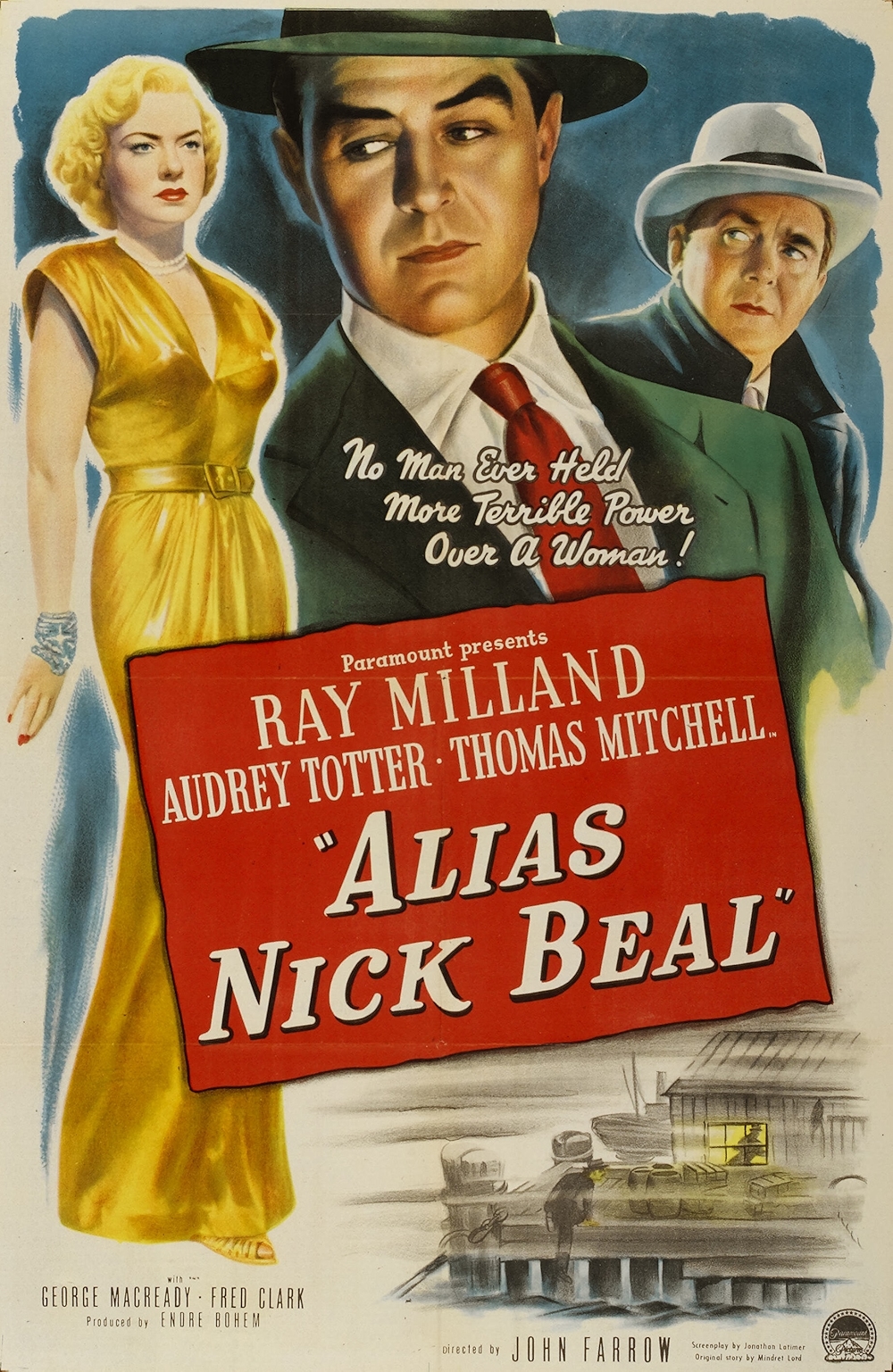
Also known as The Contact Man, Alias Nick Beal is the much better title of this unusual political allegory meets supernatural drama. The Nick is Old Nick and the Beal is short for Beelzebub. Got it?
A retelling of the Faust story is the idea, with Ray Milland as the Mephistopheles stand-in and Thomas Mitchell as Joseph Foster (Foster/Faust, see?), a principled and upstanding district attorney determined to nail a career criminal who has been outsmarting him for years. I’d give my soul to get that guy, says Foster in so many words at one point. And that’s it – unbeknown even to himself the deal is done. So when he meets the shadowy and urbane Nick Beal down at the docks, who offers him a not-strictly-by-the-book way to nab his man, Foster grabs hold with both hands.
As a result of the criminal’s spectacular fall, Foster becomes a celebrity. Honour is piled on honour and soon he is being lined up for the state governorship. But it cannot end well, can it?
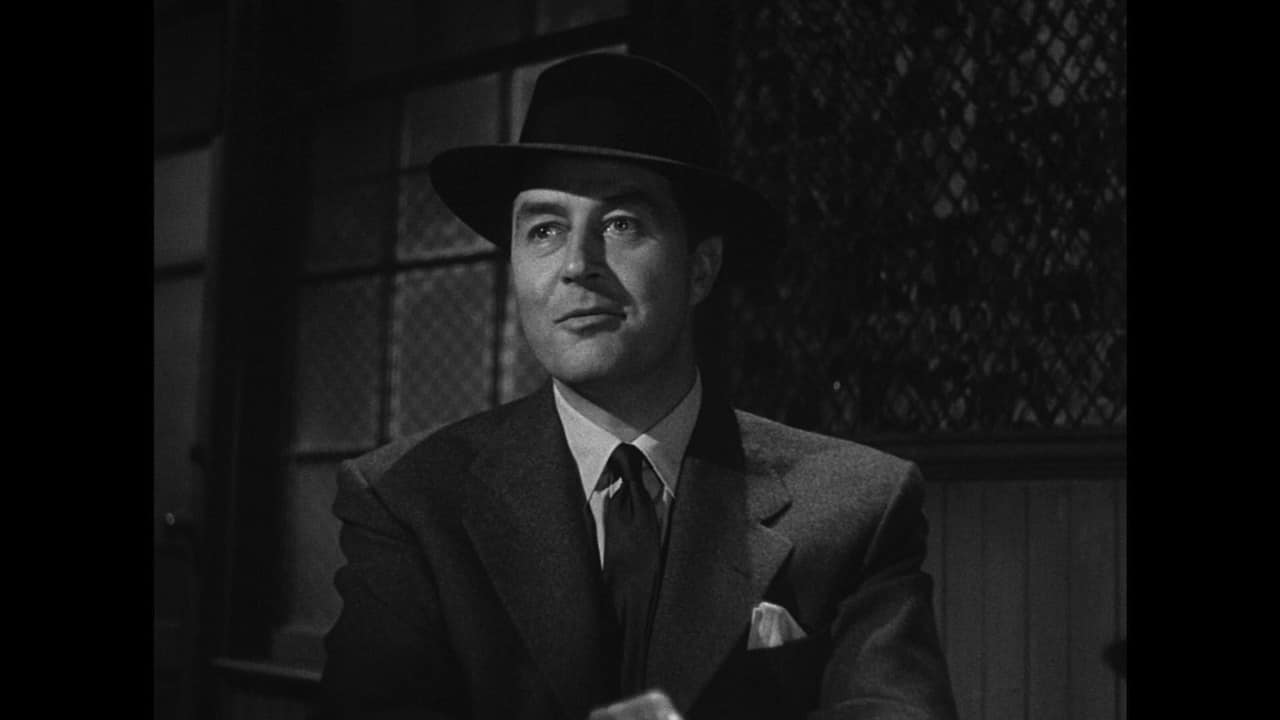
Three things to say straight up about this movie. One: it clanks as a political allegory and is wholly unsatisfying at that level. Two: it is however a brilliant supernatural drama with the mood built and then maintained expertly by director John Farrow. Three: Milland is relentlessly excellent as the oleaginous Nick Beal.
Made in 1949, with the Cold War clearly on everyone’s minds, there is a “you’re with us or against us” attitude at work in its plotting and thematics. In this film nuance is the enemy of virtue. Foster, when we meet him, knows where he stands on everything. He’s all black and white, whereas Nick is insistent that life is more “colourful” than the public functionary’s simple binaries. Virtue is unambiguous and unambivalent and, in this movie, “sophisticated” is not an adjective indicating approval.
The other standout is Audrey Totter as Donna, which is possibly short for Madonna, as a kind of joke. She’s the fallen woman Nick rescues and turns into a vamp before pushing her into Foster’s orbit to corrupt him further. Her apartment, decorated in non-figurative, surrealist art, is another instance of the nuance=depravity mindset.
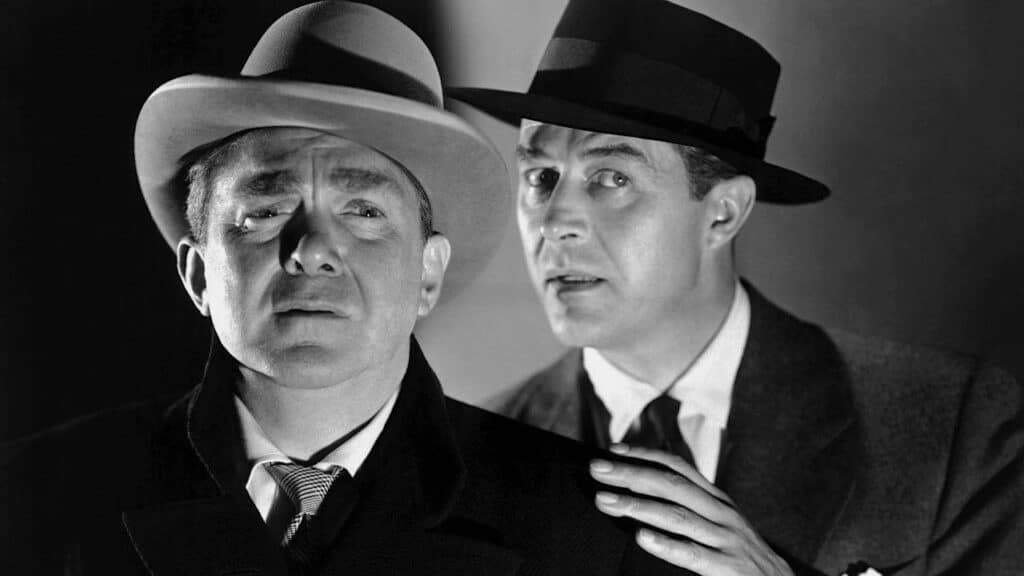
For all the heavy-handedness of its politics, Nick as a character is a smartly depicted forerunner of spin doctors and political advisors of decades to come. He’ll say whatever is necessary to win the argument on the day, hoping that no one is actually keeping track of what he’s saying to pull him up on it later.
The sinister mood is the real USP though. Augmenting Milland’s sulphurous performance is a creepy score by Franz Waxman, at this point 20 years into a career that had already included writing music for The Philadelphia Story, Suspicion and Dark Passage, with much more to come. The lighting is by Lionel Lindon, who will later do one of the most astonishing lighting jobs ever on The Manchurian Candidate (original version) and aims for sepulchral, stygian atmospheres here. The scenes set at the fog-thick docks are particularly good.
Yes, Foster is a cipher and a bit boring, but he’s just meant to be a fall guy who’s easy to understand – job done by Mitchell. As some compensation there is a small role for Fred Clark, another of the great “also” faces of noir, here another signifier of corruption.
In a hectic career which included a lot of travelling, an arrest for overstaying his visa, numerous affairs and finding time to father seven children with Maureen O’Sullivan (among them Mia Farrow), Australian John Farrow was at this point at the height of his career. Alias Nick Beal came at the end of a run of fine noirs – The Big Clock, Night Has a Thousand Eyes and then this. The other two films are much better known but for sheer mood this gives them a convincing run for their money.
Alias Nick Beal – Watch it/buy it at Amazon
I am an Amazon affiliate
© Steve Morrissey 2026