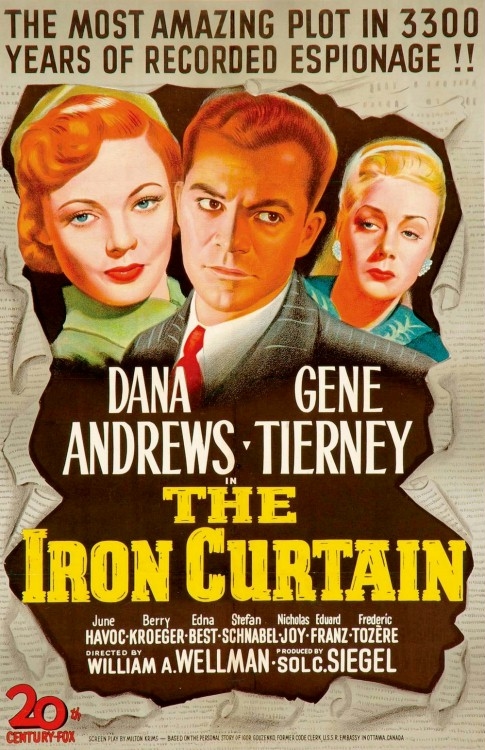
Winston Churchill made his “iron curtain” speech on 5 March 1946. In late 1947, 20th Century-Fox went into production with The Iron Curtain, one of a rake of movies designed to prove to the House Un-American Activities Committee that its assertion – “subversive” Hollywood doesn’t make anti-communist films – was baseless. The fact that filming started two days after the “Hollywood Ten” had been blacklisted for refusing to answer HUAC’s questions is also significant. Considering its whens and wheres, the resulting film is a remarkably sophisticated work – it’s not just anti-communist propaganda but also a coded rebuke to the likes of Senators McCarthy and J Parnell Thomas and their prescriptive view of what “America” was all about.
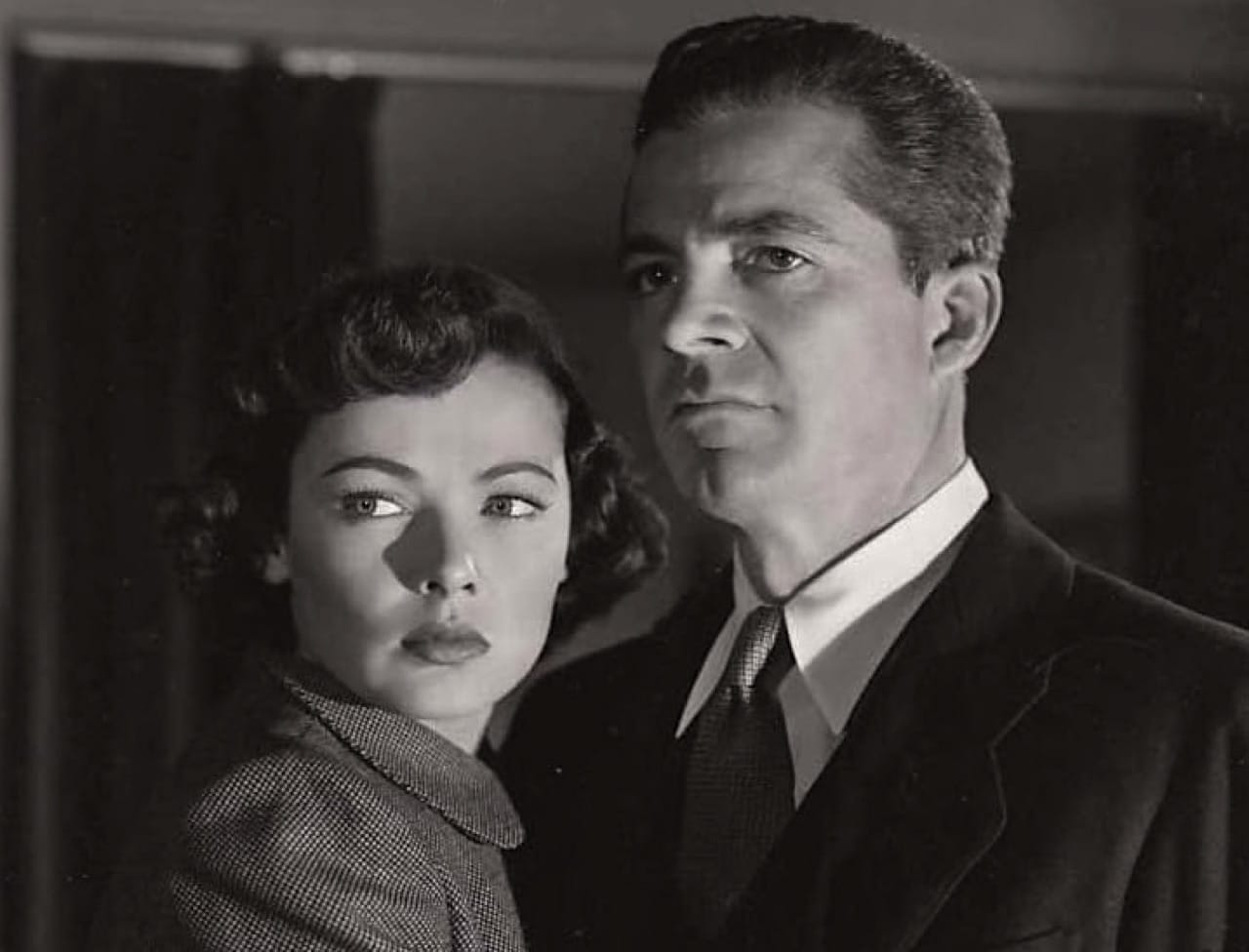
If Hollywood didn’t make anti-communist films, then HUAC had obviously never seen Ninotchka, one of the big hits of 1939. The Iron Curtain reworks the basic idea minus the comedy – joyless Soviet functionary arrives in the West and is beguiled by capitalist excess – though this time the dour official is played by Dana Andrews, one of a delegation sent from Moscow to Canada. There, Igor Gouzenko (Andrews) is expected to encrypt information gathered by the network of Soviet spies operating in North America and transmit it to Moscow.
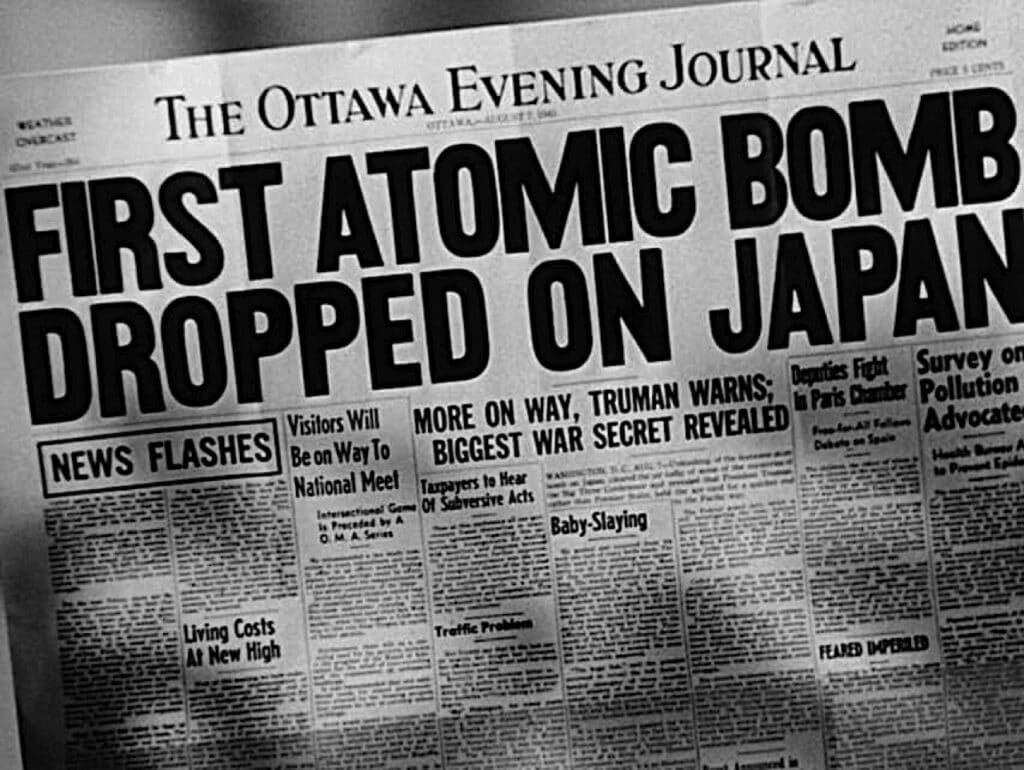
It’s a strict and joyless task – all paper burnt at the end of every working day, all the code books locked up in strongboxes, with loud piped music playing the entire time in case the place has been bugged. It’s only when Gouzenko is joined by his wife (Gene Tierney, deglammed quite a bit) that the doubts about the Communist versus Capitalist system really start to coalesce. This is a country where things work – the market mechanism – it’s full of shiny stuff and people seem to have a freedom they don’t back home. At one point the couple pause outside a church. Inside it a choir is singing. At another they marvel at a newspaper headline that seems to be accusing a politician of corruption. Neither would be possible back in the USSR.
If Ninotchka was romantic screwball, The Iron Curtain is conspiracy thriller – this is a film about shady people in high places working against the interests of their country – with noirish good looks and sharp shadows. The cinematographer is Charles Clarke, who saves his “glory” lighting for the moment when the Gouzenkos decide to embrace democracy – suddenly it’s all sunlit uplands. As for the rest of it: dour, with everything shading towards the sinister.
Andrews is particularly good. He doesn’t bother trying to speak with a Russian accent. Instead he stiffens up a bit, taking the swing out of his movements to suggest a man constrained. It’s a simple but remarkably effective physical trick.
There is stuff in The Iron Curtain that comes across as absurd – the suggestion that neighbourliness is somehow unknown in the USSR, for example. It’s notable that the film hinges on the moment when a neighbour does a good turn for the Gouzenkos and they suddenly see things for how they really are.
But on the whole the film advances with care, emphasising shared humanity – surely that’s why known quantities Andrews and Tierney are in these roles.
The film led to a famous court case – Shostakovich versus Twentieth Century-Fox – supposedly instigated by Stalin himself, who was furious that Alfred Newman had lifted the work of four famous Soviet composers and re-used them wholesale in “his” score.
This detail emphasises the us versus them nature of the movie, which is, in actual fact, much more tempered and restrained than you might imagine. Director William Wellman has done a good job, got his point across with subtlety and has steadfastly refused to get out the bludgeon when a light touch will be more effective. Something politicians McCarthy and Parnell Thomas might have considered.
The Iron Curtain – Watch it/buy it at Amazon
I am an Amazon affiliate
© Steve Morrissey 2026