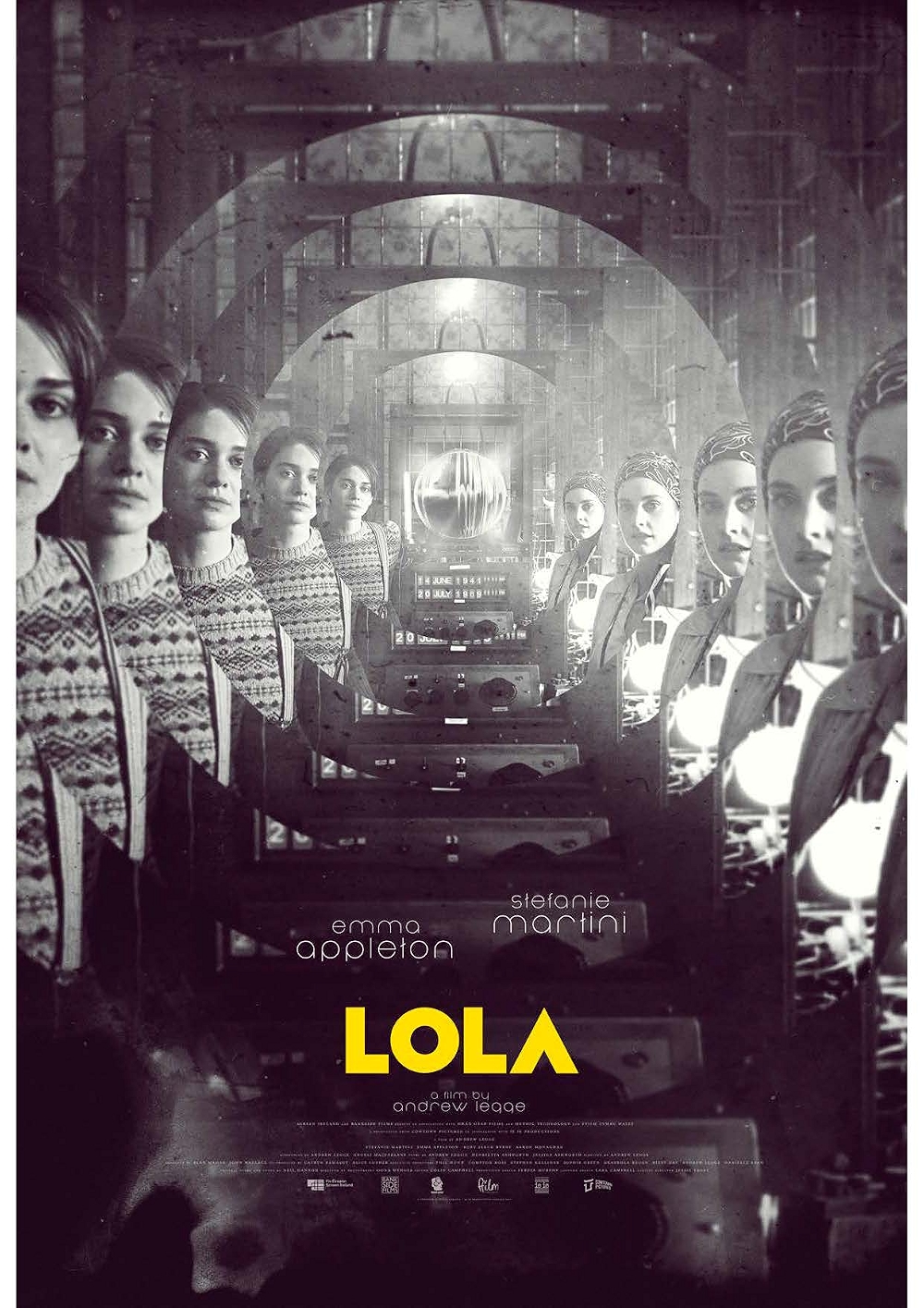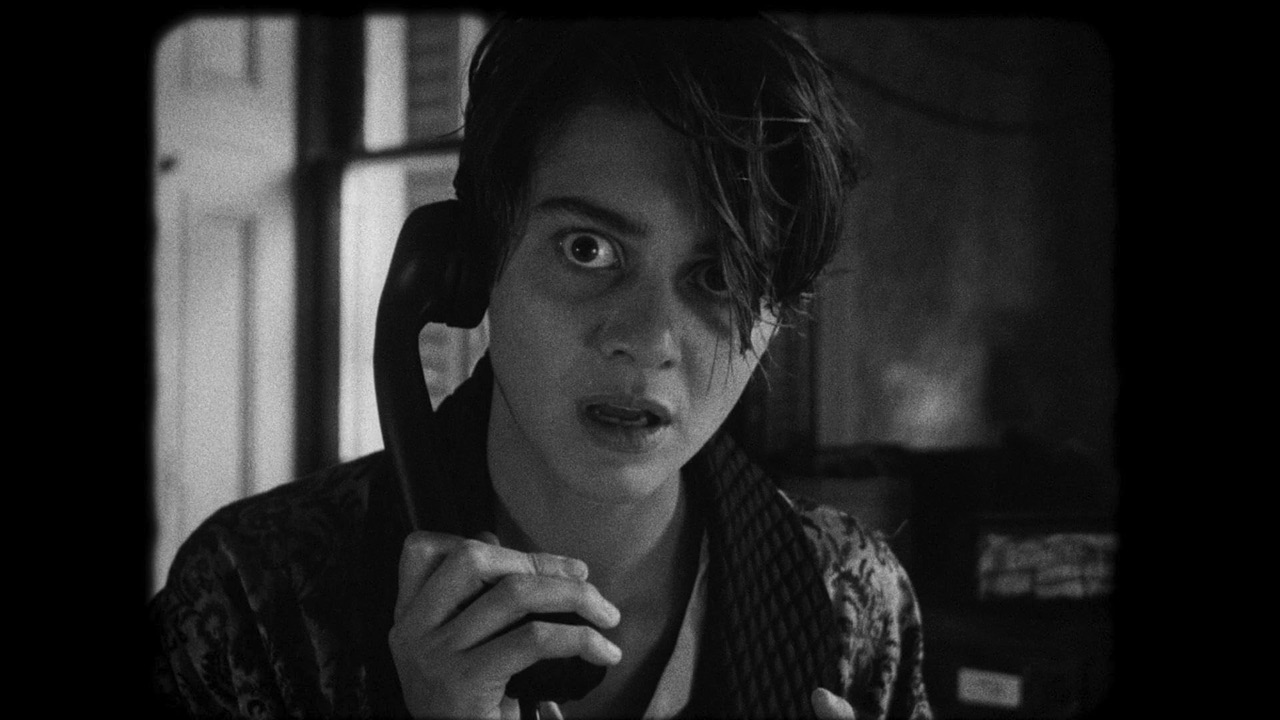
Back to the Future meets It Happened Here in Andrew Legge’s bold and original debut feature, Lola. What did you do during lockdown? Legge got out some pre-war wind-up cameras, threaded them with black and white film and shot a Nazi-inflected found-footage time-travel epic.
Mad scientists are usually male and old but Legge’s heroes (if that’s what they are) are young and female, long-limbed aristo types fashioned after the Mitford sisters and played by Stefanie Martini, as Martha, and Emma Appleton as Thomasina. In a little preamble we’re given the found-footage set-up – reels of film found in the cellar of a country house in Sussex in 2021 – before we’re supposedly presented with that footage.
It tells the story of the bright young things on the eve of the Second World War inventing a machine that can see decades ahead. How its dials, switches and valves do that is unclear and Legge and his co-writers wisely stay right away from all that. Instead they give us grainy footage from the future – our past – David Bowie singing Space Oddity in full Ziggy Stardust gear. What do Mars and Thom think of that? They like it. So must Legge: re-using archive footage saves having to shoot new material.
Before long the sisters have worked out that their future-glimpsing machine can also work financial wonders – the results of horse races before they’ve been run! And not long after that, with the Second World War now raging, the young women are styling themselves as the Angels of Portobello and delivering warnings to the cowering populace about where the bombs will fall next.
Enter the army chaps to try and steal Mars and Thom’s thunder – men, huh. And enter also the consequences of messing with an existing timeline. One day, hoping to find Mr Bowie again, they find they are looking at a future where he never existed. Instead there is someone vaguely similar singing songs about the sound of marching boots. Stanley Kubrick, Nina Simone and Bob Dylan also seem to have disappeared. What can it all mean?
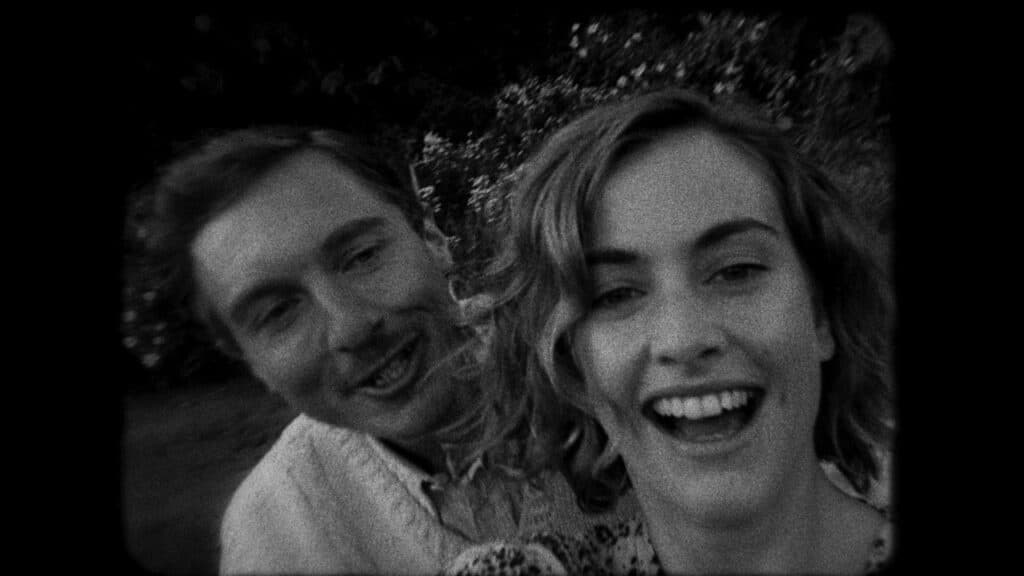
Neil Hannon of the Divine Comedy does the quasi-Bowie pastiches. They are done well, but then so is so much of the incidental stuff in this film. Like the clothes (Oxford bags) and hair (floppy fringes) of the women, they way they both quaff wine with the sort of male abandon found in posh gels. A whole chicken in a tin. The house itself, the sort of cold, old place with high ceilings that dog-eared boho Brits aspire to live in.
It’s probably deliberate that the glimpses into the future only go as far as the 1970s, when post-modernity started thrusting everyone back into the past, but Legge doesn’t dwell too long on any one subject. What about the ethics of sacrificing human life to save a greater number? What about the British populace’s fascistic tendencies? And how about a scene completely stolen from Back to the Future where the young women invent rock music? Legge darts about, picking up ideas, examining them quickly and moving on. For all that, the film is at its best when it is at its most mysterious. The more it gets into specifics the more it opens itself to criticism.
Appleton and Martini shot chunks of the film too, to give the film that verité aspect. But the DP is Oona Menges, who works that 1940s aesthetic well, so that when Churchill or Hitler turn up, they slot in nicely to the newsreel vibe Menges is going for. I read that her dad is legendary cinematographer Chris Menges (of The Mission and The Killing Fields) – the apple does not fall far from the tree.
An ingenious tale told well by a committed team in front of and behind the camera and with enough twists to keep things chugging along, delivered at pace and all done in under 80 minutes. Why aren’t there more films like this?
Lola – Watch it/buy it at Amazon
I am an Amazon affiliate
© Steve Morrissey 2026