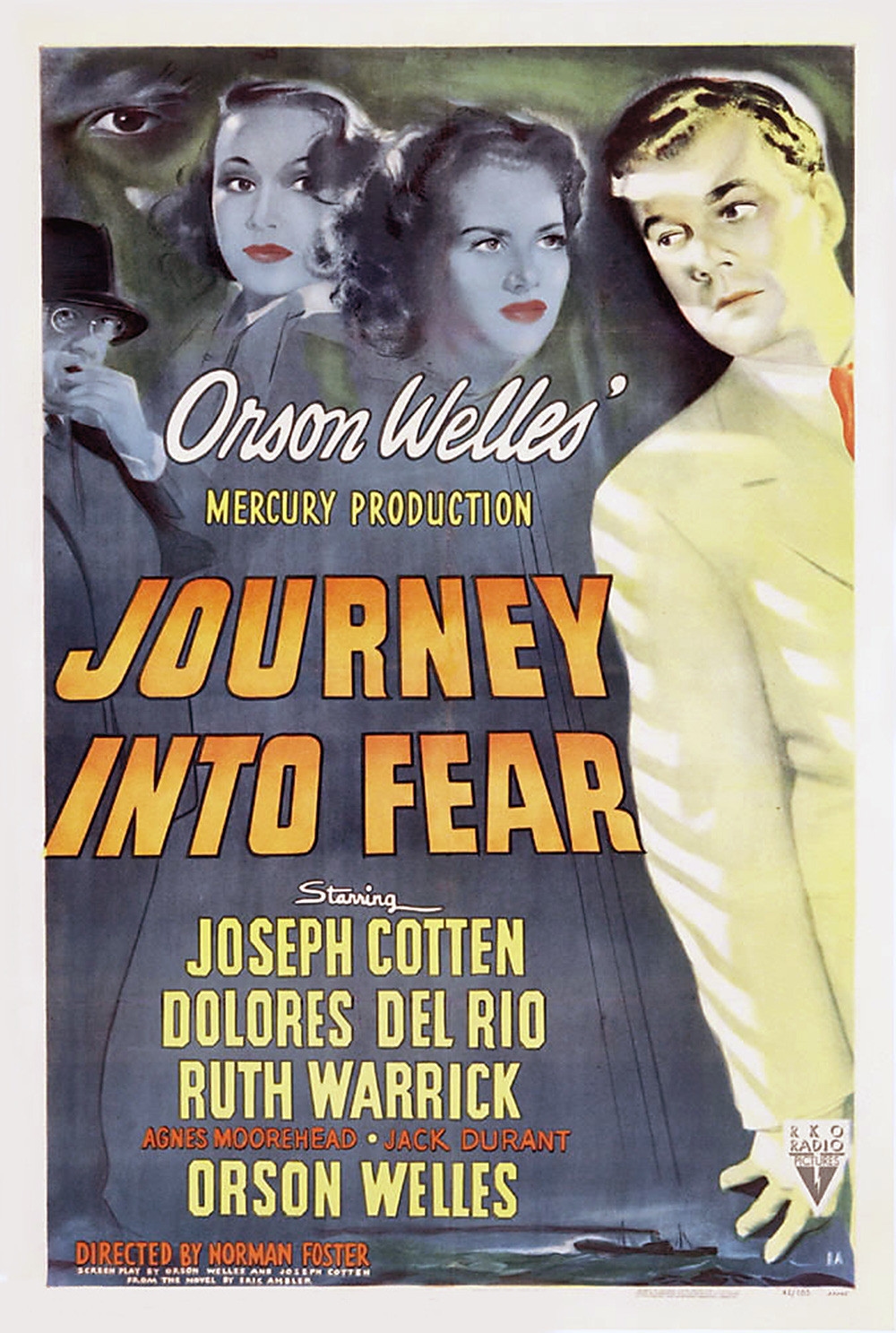
Is Journey into Fear an Orson Welles film sailing under a foreign flag? Norman Foster is the director name up on screen, but credits can be deceptive. The wartime thriller was co-written by Welles, though he has no screen credit. It was also produced by him, again uncredited. And we know for certain that Welles directed some bits of it – the opening sequence is pure Welles, inventive and with real narrative punch. But since Welles was never backward at coming forward, we have to assume that because he never laid claim to it – Welles was asked often enough if Journey into Fear was one of his – that Foster is the main man. But still the speculation persists.
It’s an adaptation of an Eric Ambler thriller and so, no surprises, it’s all about exotic people in exotic realms getting up to no good. Everyman hero is Joseph Cotten, playing ballistics expert Howard Graham, an innocent abroad in Turkey caught out by a sudden turn in the war and needing to be out of the country fast. At the urging of the local police chief he boards a steamer that will take him to safety. Also unexpectedly on board is the singer he recently met in a nightclub and, unbeknown to him, his would-be assassin.
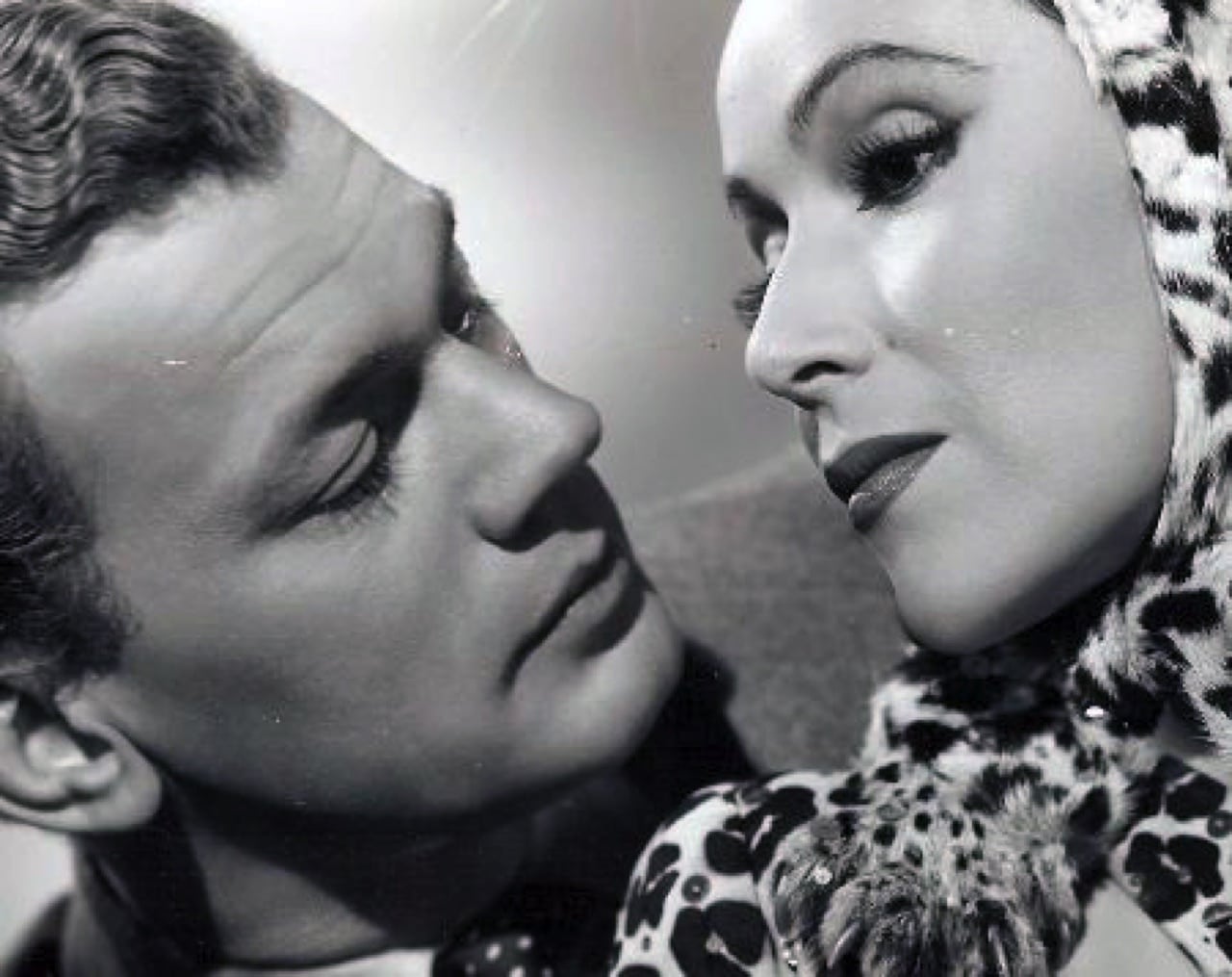
Ambler is the link between the dastardly foreigners of John Buchan and the hothouse flowers of Graham Greene, and this film is full of both. In a remarkable bit of scene-setting, the film gets going at speed, introducing us to a whole host of weirdos – Kopeikin the sidelong company rep that Cotten’s Howard Graham is in Turkey to meet. Haki the voluble, all-knowing cop (played by an amused and amusing Welles). A shifty Turkish tobacco trader. The silent assassin, introduced in the Welles-directed intro. Foxy nightclub singer Josette (Dolores Del Río, Welles’s squeeze at the time), dressed in a ludicrous leopard costume. Her partner/manager/pimp. A stage magician. A dubious German archaeologist travelling on a League of Nations passport. And the ship’s captain, who laughs uproariously and utters no words except, “Boom boom!”
Things settle down once the action shifts to the boat and it becomes more of a guessing game, for Graham at any rate. We know that Banat is the assassin, having seen him in the pre-credits sequence. He’s played by Jack Moss, one of the film’s producers, who says not a single word and is shot almost always from below. He lurks, he looms, menacingly.
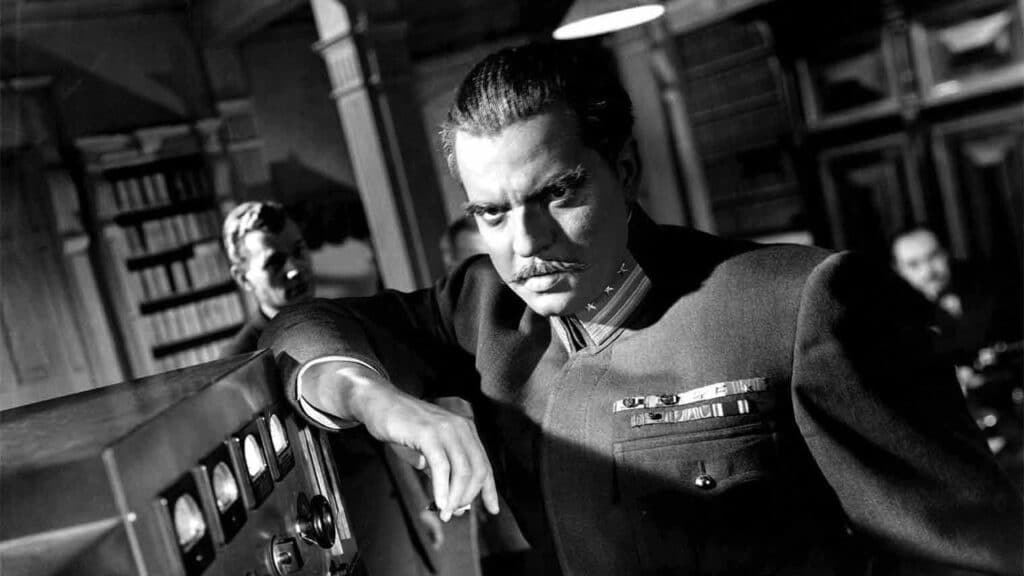
As Graham works his way through his shortlist of colourful passengers and crew, like a Miss Marple trying to work out whodunit before it’s been done, we are treated to a series of beautifully choreographed scenes. It is hard to believe there is no Welles input here. Director of photography Karl Struss, who worked with Murnau, lays on murky shadows and makes the most of the claustrophobic spaces. Tension builds majestically, only for it to fall off a touch as the film shifts away from the exotics and rest increasingly on the shoulders of Cotten.
Originally the film had no voiceover, nor a proper ending, but after the studio hacked at it (the story of Welles’s career) editor Mark Robson came in and re-edited it, before getting Welles back in to put a proper end on it.
What we have is not perfect but it is remarkable. Some storylines just hang in mid-air – Graham’s wife, introduced, forgotten, then back again at the end, serves no purpose at all in the film as is. But in 68 brief atmospheric minutes a story is told from front to back, satisfyingly, with dazzling moments of technical excellence and performances that play to and against the noirish stereotypes. Whoever directed it did a great job.
Journey into Fear – Watch it/buy it at Amazon
I am an Amazon affiliate
© Steve Morrissey 2025