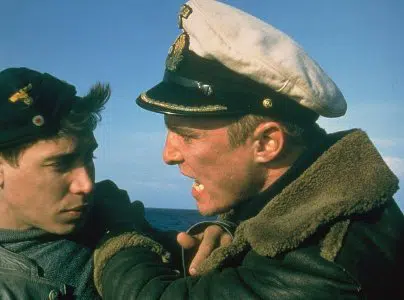
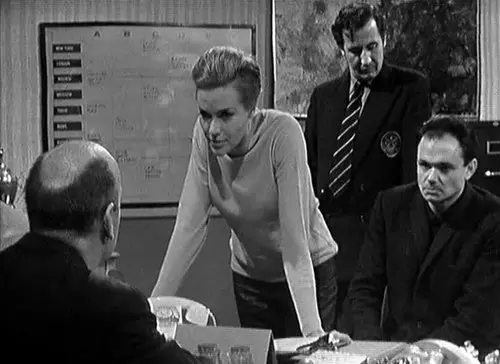
“Life is goddam black and I photograph life.” Andre De Toth’s thumbnail manifesto is perfectly illustrated by Play Dirty, his last film and one of his ugliest. Critics hated it, though you sense it was the nihilism of the movie they really had an issue with rather than the various issues they cited. War is hell and it turns men into beasts, that’s the message here.
It is in essence The Dirty Dozen but dirtier, a not-so-playful Second World War adventure in the sands of North Africa, where a prissy cravat-wearing Brit, played by Michael Caine, is seconded by a cynical top brass (who expect everyone to die) to lead a crack unit of misfits, criminals and deviants on a mission to blow up a German fuel dump. Chief among them is Captain Leech, played by Nigel Davenport, a battle-hardened, amoral, take-no-prisoners kind of guy, the chalk to the cheese of Caine’s Captain Douglas.
There’s a bit of Ice Cold in Alex in the plotting, as the men in their vehicles do battle against the sands of the desert even before they get to the Nazis. And a touch of Sam Peckinpah in its pitiless view of things.
But The Dirty Dozen, which had come out two years earlier and been a big success, provides much of the shape of the movie, and its look. The cinematographer, Edward Scaife, is the same on both movies and he gives De Toth bright, clean, well lit images. This is unmistakably a film from the late 1960s.
Love the men, hate the war is the general thrust of these sort of things, but De Toth gives us to understand that these men are not to be liked. Captain Leech is a bastard, simple as. Around him a murderous crew who at one point think nothing of shooting two German Red Cross guys driving an ambulance. When they discover there’s a nurse in the back of it they try to rape her.
And yet, by the end, thanks to several exploits of brave derring-do and the barest crack in the frostiness between Douglas and Leech, we start to like these horrible people anyway, something De Toth seeks to nip in the bud with an audacious ending seemingly designed to deny audiences a triumphant finish.

What critics at the time generally took issue with is the film stance on war: for or against? Is De Toth really coming at it from that point of view though? It seems to me he’s presenting war as a grim fact, not a debating point. It’s how men react to it that he’s concerned with, in particular the journey that the lilywhite Captain Douglas goes on. By the film’s closing moments he’s still nowhere near as cruelly amoral as Leech, but he’s gone a long way in Leech’s direction, and Leech hasn’t moved towards Douglas’s at all.
This was a difficult movie for all concerned. Its original co-star, Richard Harris, was fired at the last moment, leading to Davenport’s arrival. The original director, René Clément, also fell by the wayside. And filming in Spain’s Tabernas Desert wasn’t easy – too many other film units there (it was a favourite location for spaghetti westerns) and not enough desert to go round.
But the results don’t betray any of that. De Toth wanted bleak and dirty and that’s what he delivers. The only real argument you could have with him is that too much of the film is familiar, and that there’s a tendency in the central section for it to get repetitive (TWO problems with truck tyres?!).
But Caine fans will lap it up – apart from being a touch effete he’s the familiar Michael Caine. And Davenport fans – the tough, man’s man act works well here and Davenport even imbues the deeply unlikeable Captain Leech with dash and, dare I say it, pragmatic heroism. This is how wars are really won, his performance tells us, by cold men doing terrible things to other people.
Play Dirty – Watch it/buy it at Amazon
I am an Amazon affiliate
© Steve Morrissey 2025